
Plants
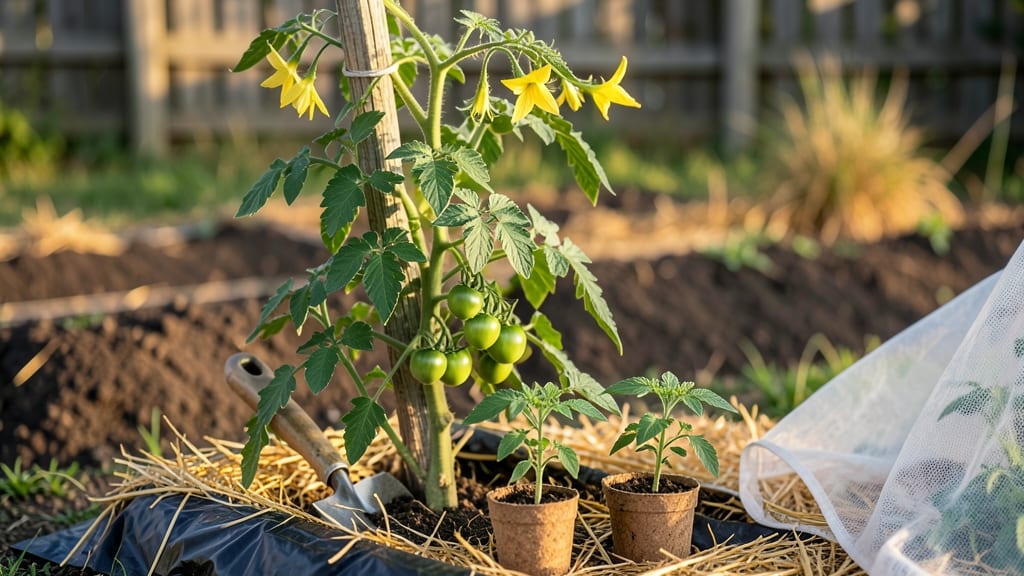
Planting tomato plants in Pennsylvania at the right time ensures a bountiful harvest from seedling to ripe fruit 🍅 — and missing the window means frost damage or wasted effort.
Timing is everything when growing tomatoes in Pennsylvania—plant too early and risk frost damage, too late and miss peak harvest season. Follow these exact dates by hardiness zone (5b-7a) to ensure your tomato plants thrive from seedling to ripe fruit.
With USDA Zones 5b-7a, your last frost typically lands between mid-April and early May, but soil temperature and regional microclimates throw a wrench into the plan.
Urban areas like Philadelphia warm faster than rural zones near the Alleghenies, so knowing your exact frost date is the key to avoiding stunted plants.
Below, I break down the perfect planting windows for both seedlings and seeds, plus pro tips for hardening off plants, adjusting for late frosts, and extending your harvest into fall. No more guessing—just a foolproof schedule tailored to your corner of PA.
Pennsylvania tomato planting dates by hardiness Zone (5b-7a)
Growing tomatoes in Pennsylvania requires precision—your hardiness zone determines the perfect window to avoid frost damage while maximizing harvest potential. Whether you're starting seeds indoors or transplanting seedlings, timing is critical for healthy growth and fruit production.
Let's break down the ideal planting dates for Zones 5b through 7a, covering everything from soil temperature to last frost averages.
In Pennsylvania, last frost dates typically range from mid-April in Zone 5b to early April in Zone 7a. However, these dates can shift by 1-2 weeks depending on microclimates—urban areas may warm faster than rural spots.
Always wait until the soil temperature reaches at least 60°F before planting, as cold soil stunts root growth. For seedlings, this means transplanting 2-3 weeks after your last frost date to give them time to establish roots.
Soil temperature is just as important as air temperature. Use a soil thermometer to confirm readings—tomatoes thrive when soil stays above 60°F consistently. In cooler zones like 5b, consider using black plastic mulch or row covers to warm the soil faster. For direct-seeding, wait until soil temps hit 70°F to prevent seed rot and ensure germination.
Here’s a quick reference for your hardiness zone and the best time to plant tomato seedlings or seeds:
For urban gardeners, microclimates can create earlier planting opportunities. South-facing walls or rooftop gardens may warm 1-2 weeks faster than ground-level plots. Always monitor local weather forecasts and use frost cloth if nights dip below 40°F after transplanting.
In suburban areas, where space is limited, prioritize determinate varieties (bush tomatoes) for earlier harvests and smaller footprints.
If you’re starting tomato seeds indoors, begin 6-8 weeks before your last frost date. Seedlings need 12-16 hours of light daily and should be hardened off for 7-10 days before transplanting.
Hardening off means gradually exposing seedlings to outdoor conditions—start with 2 hours/day in shade, then increase exposure over a week. This step is non-negotiable for preventing transplant shock in Pennsylvania’s variable spring weather.
In rural areas, where frost risk lingers longer, opt for early-maturing varieties like 'Stupice' or 'Mountain Merit'. These can tolerate cooler soils and still produce fruit by early summer.
For Zone 7a gardeners, you can push the envelope with heat-tolerant varieties like 'Solar Fire' or 'Heatmaster', which thrive in the hotter summers of southern PA. Just be prepared to provide shade cloth during heatwaves to prevent sunscald on fruits.
Pro tip: Use a planting calendar to track your progress. Mark your last frost date, count backward for seed starting, and forward for transplanting. Pennsylvania’s growing season is short but sweet—aim for a first harvest by mid-July to stretch your season as long as possible.
With the right timing, you can enjoy tomatoes from June through October, even in cooler zones.
Remember, soil preparation is half the battle. Amend your soil with compost or aged manure before planting to ensure nutrients are available when roots establish. Tomatoes are heavy feeders, so a balanced fertilizer (10-10-10) at planting and a phosphorus-rich boost when flowers appear will pay off in bigger yields.
Mulch with straw to retain moisture and suppress weeds—this is especially critical in Pennsylvania’s humid summers.
Finally, keep an eye on the weather forecast in the days leading up to transplanting. If a late frost warning pops up, delay planting by 1-2 weeks or use row covers to protect young plants.
With these zone-specific guidelines, you’ll be well on your way to a bountiful tomato harvest—no matter where in Pennsylvania you garden! 🌱🍅
How to adjust planting dates for early/late varieties and successive crops
Extending your tomato harvest in Pennsylvania isn't just about planting once—it's about strategic timing and variety selection. By adjusting planting dates, you can enjoy ripe tomatoes from early summer through fall. The key lies in understanding how early/late varieties and successive plantings work together to maximize your growing season.
For Zone 7a gardeners, where summers can be hot and humid, heat-tolerant varieties like 'Celebrity', 'Heatmaster', or 'Solar Fire' thrive when planted in mid-May to early June. These varieties handle high temperatures better than traditional types, preventing sunscald and blossom drop.
Meanwhile, cold-hardy varieties like 'Stupice' or 'Mountain Merit' can go in as early as late April under row covers.
Row covers are your secret weapon for early and late plantings. In Zone 5b, where frosts can linger until May 10, covers let you plant 3-4 weeks earlier than usual. Remove them once nighttime temperatures stay above 50°F to prevent heat stress.
For late plantings, use black plastic mulch to warm the soil—this can add 10-14 days to your growing season by keeping roots 5-10°F warmer than bare soil.
Don’t overlook succession planting—this is how I’ve doubled my tomato harvest in just one season. For example, plant a batch of 'Early Girl' tomatoes on April 25, then repeat with 'Better Boy' on May 15, and finish with 'Cherokee Purple' on June 1.
Each variety ripens at a different time, ensuring I have tomatoes from late June through September. Pro tip: Keep a planting calendar to track intervals and varieties.
For Zone 7a, where summers can be brutally hot, prioritize heat-tolerant varieties and shade cloth during peak afternoon sun (12 PM–4 PM). Varieties like 'Solar Fire' or 'Arkansas Traveler' thrive in 90°F+ heat and produce fruit even when other plants wilt.
Pair these with drip irrigation to keep roots cool and prevent blossom end rot, a common issue in high-heat zones.
Finally, always monitor soil temperatures—they’re just as critical as air temperatures. Use a soil thermometer to confirm 60°F+ before planting. If your soil is too cold, delay planting or use black plastic mulch to warm it faster.
Remember, warm soil = faster germination and stronger roots, which means bigger yields for you.