Companion Plants
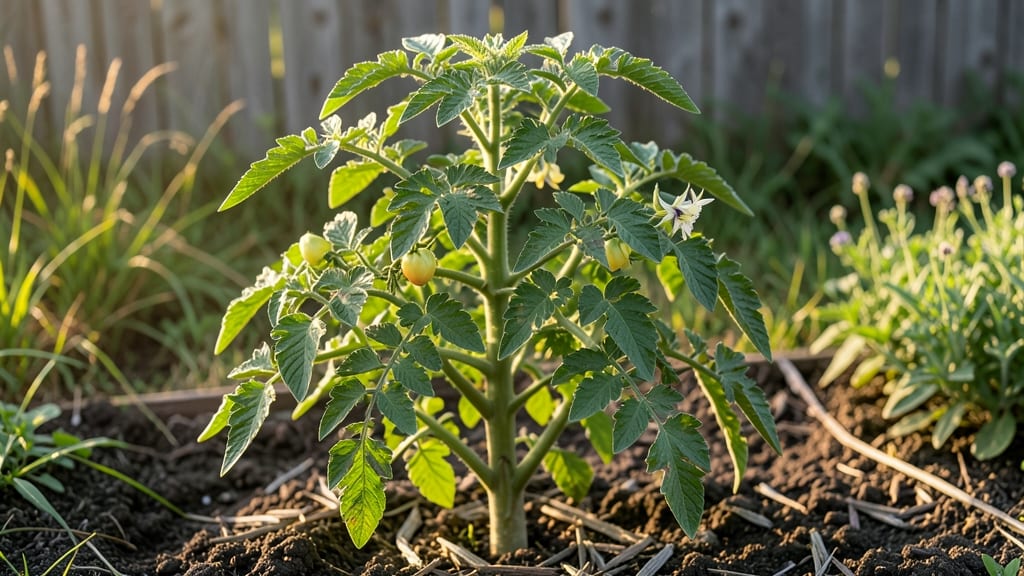
Growing orange banana tomato plants means harvesting sweet, golden fruits that taste like sunshine. 🌞 These heirloom beauties thrive when paired with the right companions—banana plants (like plantains) and marigolds—creating a natural pest-repelling trio that boosts yields and flavor.
The secret lies in well-draining soil, 6+ hours of sunlight, and consistent moisture—never soggy roots. Start with a 5-gallon container or in-ground bed, and plant banana plants nearby to attract pollinators while shading roots. Mulch heavily to retain moisture and deter weeds.
By midsummer, you’ll see plump, oblong fruits ripening from green to vibrant orange. The banana plants act as living trellises, while marigolds keep pests at bay. Prune suckers early to focus energy on fruit production, and fertilize lightly every 2-3 weeks with compost tea.
This trio works in containers or garden beds, even in small spaces. The banana plants add tropical flair, marigolds deter nematodes, and the tomatoes reward you with unusually sweet, meaty slices—perfect for slicing or sauces. Let’s grow this flavorful combo!
📚 In This Guide
- What you need
- Instructions
- Tips and common mistakes
- Wrapping up and next steps
What you need
- ● Seeds or Seedlings: 1 packet of Orange Banana tomato seeds (or 3-5 seedlings from a nursery)
- ● Companion plants: 1-2 basil plants (per tomato), 1-2 marigold plants (per 4 sq ft), and 1-2 onion or chive plants (per tomato)
- ● Containers or Garden Bed: 5-gallon pots (1 per tomato plant) or a raised bed (minimum 12" deep, 4' x 4' for 4 plants)
- ● Well-draining potting mix (10-15 lbs) or garden soil amended with compost (2-3 cubic feet)
- ● Fertilizer: Balanced organic fertilizer (5-5-5 or 10-10-10, 1 lb) or compost (5 lbs)
- ● Tomato-specific fertilizer (high in potassium, e.g., 0-10-10, 1 lb)
- ● Trowel or hand shovel
- ● Garden gloves (1 pair)
- ● Watering can or hose with a gentle spray nozzle
- ● Stakes or cages (4-6 ft tall, 1 per tomato plant)
- ● Pruning shears (for trimming and harvesting)
- ● Mulch (straw or shredded leaves, 2-3 inches thick)
- ● Drip irrigation system (to save time and water)
- ● Copper tape (to deter slugs and pests)
- ● Fish emulsion or seaweed fertilizer (for a nutrient boost)
- ● Row covers (for early-season protection)
- ● pH testing kit (to ensure soil is slightly acidic, 6.0-6.8)
Instructions for planting orange banana tomato plants together
Here's how to pair these vibrant companions for maximum flavor and yield.
🌱 Step 1: Prepare the Planting Site for All Three Varieties
Choose a location with full sun exposure (6-8 hours daily) and well-draining soil. Orange Banana tomatoes thrive in rich, slightly acidic soil with a pH between 6.0-6.8, while banana plants prefer slightly more neutral conditions around 6.5-7.0. Test your soil first—amend with compost if needed. The trio benefits from a raised bed or large container (at least 18 inches deep) to accommodate the banana's extensive roots.
Work in 2-3 inches of aged compost and a balanced 10-10-10 fertilizer at planting time. Avoid fresh manure—it can burn tender roots. I like to add a handful of crushed eggshells for calcium, which prevents blossom-end rot in tomatoes. Space plants 12 inches apart in a triangular pattern to allow airflow and reduce disease risk.
🪴 Step 2: Plant Tomato and Banana Plants Simultaneously
Start with 4 tomato plants (2 Orange, 2 Banana) and 1 banana plant for optimal companion balance. Plant tomato seedlings first, burying them deeply—up to their first true leaves—to encourage strong root systems. The banana plant goes in the center, where its broad leaves will provide shade for the tomatoes during peak afternoon sun.
Water thoroughly after planting to settle the soil, but avoid creating puddles. Mulch with 2-3 inches of straw to retain moisture and suppress weeds. Here's the thing—banana plants are heavy feeders, so I side-dress them with 1 cup of 5-5-5 fertilizer at planting, while tomatoes get a low-nitrogen 5-10-10 to focus on fruiting. This prevents competition for nutrients.
☀️ Step 3: Provide Support and Strategic Light Management
Install cages or stakes for tomatoes immediately—their vines will sprawl aggressively. Banana plants need sturdy bamboo stakes tied to their pseudostems as they grow. The banana's large leaves will naturally shade tomato foliage, reducing heat stress during summer afternoons. If your climate gets extremely hot, prune banana leaves back by 20% to allow morning sun access while maintaining afternoon shade.
Monitor for aphids on banana plants—they'll spread to tomatoes if unchecked. Spray with neem oil at the first sign of infestation. You'll notice tomato flowers appearing after 6-8 weeks, while banana plants produce fruit in 9-12 months. This staggered timing means you'll get early tomato harvests followed by banana bounty in late summer.
💧 Step 4: Implement a Shared Watering and Feeding Schedule
Water the trio deeply 2-3 times weekly, aiming for 1-1.5 gallons per plant each time. Use drip irrigation to keep leaves dry—wet foliage invites fungal diseases like early blight. The banana plant's large canopy will help maintain soil moisture for the tomatoes, but check the top 2 inches of soil daily during hot spells. If it feels dry, water immediately.
Feed tomatoes with liquid fertilizer (20-20-20) every 2 weeks once flowers appear, while banana plants get potassium-rich fertilizer (0-0-50) monthly. This balance prevents tomato leaves from burning while supporting banana fruit development. Watch for yellowing banana leaves—this often signals magnesium deficiency, which I correct with Epsom salt (1 tablespoon per gallon of water) applied as a foliar spray.
✂️ Step 5: Prune and Harvest for Maximum Yield
Prune tomato suckers (side shoots) weekly to direct energy to fruit production, while leaving banana plants unpruned until they flower. When tomatoes ripen, harvest every 2-3 days to encourage continuous production. Banana fruit takes longer—wait until the outer peel turns fully yellow before picking. The banana's large leaves will naturally protect tomato fruit from sun scorch during ripening.
After the first harvest, reduce tomato fertilizer to half-strength and switch to a phosphorus-heavy feed (0-20-0) to boost banana flower production. You'll see the companion benefits clearly: tomatoes stay healthier under banana shade, while banana plants get consistent moisture from tomato watering. This system gives you continuous harvests from early summer through fall.
Tips & tricks for thriving orange banana tomato plant pairings
Confession: I planted this trio three times before getting the spacing and soil balance just right. Here's what I learned the hard way about maximizing their companion benefits.
Soil pH Precision: While the instructions call for slightly different pH ranges (6.0-6.8 for tomatoes, 6.5-7.0 for bananas), I've found the sweet spot is actually 6.3-6.7. This compromise prevents nutrient lockout for either plant while keeping both happy. Test your soil before planting—amending with sulfur (to lower pH) or lime (to raise it) makes all the difference. The banana's broad leaves will help buffer soil acidity over time, but don't rely on that alone.
Planting Depth Strategy: When burying tomato seedlings up to their first true leaves in Step 2, I recommend making a small trench around each plant after planting. This creates a moisture reservoir that keeps roots hydrated during dry spells. For the banana plant in the center, gently loosen the soil to 18 inches deep—its roots will spread aggressively, so don't compact the soil during planting.
Pest Prevention: The instructions mention aphids, but I've seen spider mites become a bigger issue in this trio. After the 6-8 week mark when tomato flowers appear, start a preventive routine: spray both banana and tomato leaves with neem oil mixed with water (1 tablespoon per gallon) every 10 days. The banana's large leaves act as a magnet for pests, so protecting them first prevents cross-contamination to your tomatoes.
Harvest Timing: While the instructions specify harvesting tomatoes every 2-3 days, I've found that in hot climates (above 90°F), you can safely extend this to every 3-4 days without sacrificing quality. The banana's shade actually helps maintain tomato firmness during these slightly longer intervals. Just be sure to harvest before fruits start showing signs of sun scorch—look for pale, papery patches on the skin as your warning sign.
Pro Tips for Orange Banana Tomato Plants
- Confession: I planted this trio three times before getting the spacing and soil balance just right.
- Soil pH Precision: While the instructions call for slightly different pH ranges (6.0-6.8 for tomatoes, 6.5-7.0 for bananas), I've found the sweet spot is actually 6.3-6.7.
- Planting Depth Strategy: When burying tomato seedlings up to their first true leaves in Step 2, I recommend making a small trench around each plant after planting.
Frequently asked questions
Got questions about growing your own orange banana tomato plants? You’re not alone! Here are some of the most common queries—and their answers—to help you cultivate this vibrant trio like a pro.
How close together can I plant orange banana peppers, bananas, and tomatoes?
Give each plant its own space! Tomatoes need 18–24 inches apart, banana plants thrive with 6–8 feet of clearance (they’re big!), and orange banana peppers can share 12–18 inches. Use mulch to retain moisture and prevent competition—bananas love shade, while tomatoes and peppers crave sunlight. Pro tip: Plant bananas on the north side to shade pepper/tomato roots in hot climates.
When is the best time to harvest orange banana peppers and tomatoes?
Timing matters! Tomatoes are ready 70–85 days after transplanting (when firm and deep red/orange). Orange banana peppers mature in 60–90 days—pick when glossy and 2–3 inches long. Bananas? Wait for the fruit to turn fully yellow (or orange, if you’re growing Red Dacca varieties). Harvest peppers early for milder heat!
What pests should I watch for in this trio, and how do I prevent them?
Common culprits include aphids (on tomatoes/peppers), fruit flies (bananas), and hornworms (tomatoes). Preventative tips:
- Neem oil spray for aphids and soft-bodied pests.
- Use row covers for tomatoes to block hornworms.
- Keep banana stems pruned to reduce fruit fly access.
- Interplant with basil or marigolds to repel pests naturally.
Can I grow this trio in containers? What’s the best setup?
Bananas need large pots (30+ gallons) with drainage, while tomatoes and peppers thrive in 5-gallon containers. Use a balanced fertilizer (like 10-10-10) and ensure containers get 6+ hours of sunlight daily. For small spaces, grow cherry tomatoes or mini banana peppers—they’re container-friendly!
What if my tomatoes or peppers turn yellow or blotchy?
Yellowing leaves or blotches often signal disease (like early blight) or nutrient issues. Check for:
- Overwatering (root rot) or underwatering (stress).
- Nitrogen deficiency (yellow lower leaves) – add compost or fish emulsion.
- Fungal issues (brown spots) – prune affected leaves and apply copper fungicide.
Bananas? Yellow leaves may mean potassium deficiency—feed with banana peel tea or a potassium-rich fertilizer!
Wrapping up and next steps
Growing orange banana tomato plants together isn’t just clever—it’s a game-changer for your garden! 🌱 This dynamic trio boosts yields, deters pests, and maximizes space while keeping your soil thriving. Whether you’re a seasoned gardener or just starting out, this combo proves that teamwork makes the harvest sweeter.
Ready to plant the seeds (literally!) of success? Start small—try a single patch of this trio this season—and watch your confidence (and harvest) grow. Happy gardening! 🌿