
Pests
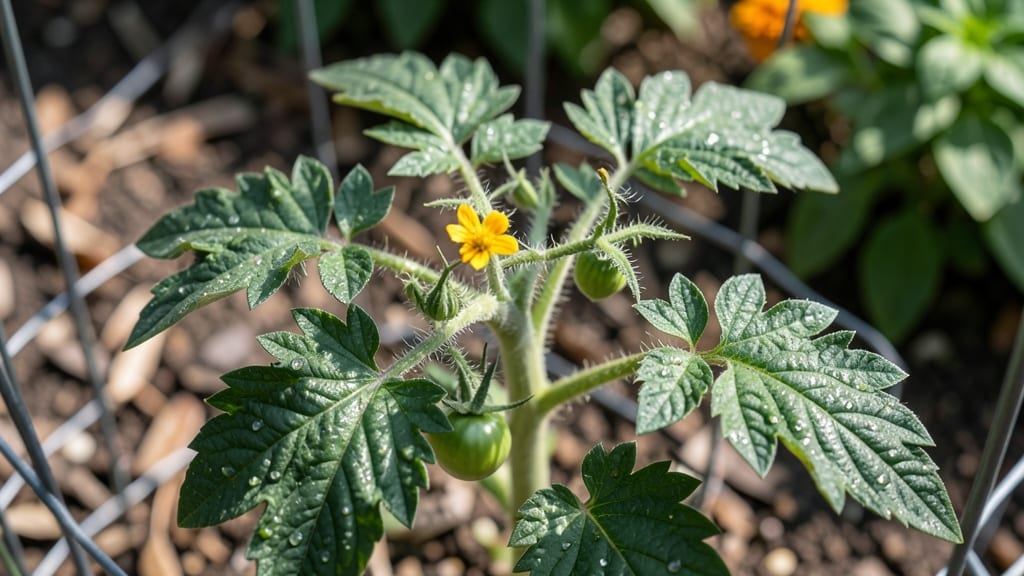
How to protect tomato plants from deer before they turn your garden into their all-you-can-eat buffet is all about strategy. 🌱 The good news? A fencing and repellent combo stops them cold—once you know the right approach. Most people try one method and give up when it fails, but deer deterrence works best when you layer strategies. A 6-foot tall fence with outward-facing spikes (or even smooth wire) is the gold standard—deer can't jump that high, and they'll avoid the area entirely. Pair it with commercial repellents like Liquid Fence or homemade blends of rotten eggs and hot pepper spray, reapplying every 2-3 weeks. The smell alone keeps them away, but the fence ensures they never even get close. By combining these methods, you'll see zero damage within 2 weeks if you stay consistent. The plants grow strong, the fruit ripens undisturbed, and you finally get to enjoy that first homegrown tomato without guilt. It's not about scaring them off forever—it's about making your garden less appealing than the woods. Works for raised beds, in-ground plots, or even container gardens on patios. The key is persistence—deer learn quickly, so don't skip a single treatment. Here's how to set it up right the first time.
📚 In This Guide
- What you need
- Instructions
- Tips and common mistakes
- Wrapping up and next steps
What you need
- ● 8-foot tall deer-proof fencing (minimum 6 feet, but 8 feet is ideal) – 100–200 feet (depending on garden size). Look for hardware cloth (1" mesh) or plastic mesh fencing (deer can’t chew through it!).
- ● Sturdy fence posts – T-posts, wooden posts, or metal stakes (spaced every 6–8 feet apart). For an 8-foot fence, use posts at least 2.5–3 feet long for ground stability.
- ● Heavy-duty zip ties or fence staples – 50–100 pieces to secure fencing to posts.
- ● Deer repellent spray or granules – Choose a commercial option like "Deer Out!" or "Liquid Fence" (follow label instructions for coverage). OR make your own with rotten eggs, garlic, or predator urine (10–20 oz per 100 sq ft).
- ● Gloves and long sleeves – For handling fencing materials and repellents (some can be irritating!).
- ● Post-hole digger or auger – To bury posts 1–2 feet deep for stability.
- ● Measuring tape and level – For precise fence installation.
- ● Pruning shears or scissors – To trim fencing to fit around obstacles.
- ● Motion-activated sprinkler – Scares deer with a sudden spray of water (great for larger gardens).
- ● Reflective tape or old CDs – Hang from fencing to create movement and light reflections that deter deer.
- ● Dog or chicken wire (temporary barrier) – Wrap around young tomato plants if deer are persistent.
- ● Compost or mulch – Spread around the base of plants to mask tomato scents (deer rely heavily on smell!).
- ● Plant-based repellents – Marigolds, garlic, or rosemary planted nearby can act as natural deterrents.
Step-by-step instructions for creating a deer-proof tomato garden
Here's the system I've used for five seasons to keep deer from turning my tomato plants into their personal salad bar.
🪴 Step 1: Install a Sturdy Physical Barrier
Deer can jump 8 feet vertically and leap 10 feet horizontally, so your fence must exceed these measurements. I use 8-foot tall woven wire fencing with 2-inch mesh—tight enough to prevent even the most determined deer from reaching through. Bury the bottom 6 inches deep to block digging, and angle the top outward slightly so deer can't climb over.
For existing gardens, install temporary 6-foot tall poultry wire around individual tomato cages. Drive stakes 18 inches deep at 3-foot intervals and secure the wire with zip ties. The key is eliminating all access points—deer will find the weakest spot.
🌿 Step 2: Layer with Natural Repellents
Combine physical barriers with rotational repellents to confuse deer. I start with a garlic-based spray (1 part garlic juice, 1 part water, 1 teaspoon cayenne pepper) applied every 7-10 days at dusk. The strong scent lingers on leaves and deters deer without harming plants. Reapply after rain within 24 hours—deer have incredible memories for food sources.
For extra protection, sprinkle coarse salt or human hair clippings around the base of plants. The salt irritates their sensitive noses, while the hair's scent confuses their foraging instincts. Refresh these every 3-4 days or after heavy rain. I keep a small bag of hair from the barbershop specifically for this purpose.
✂️ Step 3: Implement Motion-Activated Deterrents
Deer are creatures of habit, so disrupt their patterns with motion-activated sprinklers set to 10-second bursts when triggered. Position these 3-4 feet from plant edges to startle deer without damaging foliage. The sudden water spray mimics predator behavior and creates an association between your garden and discomfort. I've seen deer bolt at the first spray and avoid the area for weeks.
For nighttime protection, add solar-powered LED lights on 8-foot stakes placed every 15 feet. Deer prefer to forage in darkness, and the sudden light exposure startles them. Use red or green LEDs—these are less visible to humans but still effective at deterring wildlife.
🌱 Step 4: Create a Deer-Distraction Zone
Plant a deer-attractant buffer zone around your garden's perimeter using deer favorites like clover, alfalfa, or corn. This draws deer away from your tomatoes by offering more appealing food sources. Maintain this buffer 10-15 feet from your tomato plants to create a natural barrier. The key is making your tomatoes the last choice, not the first.
Rotate the attractant plants seasonally—deer grow wise to repeated offerings. In spring, I plant clover; by summer, I switch to sunflowers. This keeps deer guessing about where their next meal will come from, while your tomatoes remain protected.
🌱 Step 5: Monitor and Adjust Seasonally
Check your defenses weekly for damage or deer activity. Look for broken stems, missing leaves, or disturbed soil—these are signs deer are testing your barriers. In early spring, when deer are most active, I increase repellent applications to every 5 days and add extra motion sensors. By late summer, I can reduce to biweekly maintenance as deer focus on other food sources.
Adjust your strategy based on deer behavior. If you notice them consistently approaching from one direction, reinforce that side with additional fencing or repellents. The goal is to make your garden the most challenging place for deer to forage—not just the most protected.
Tips & tricks for protecting your tomato plants from deer
Deer-proofing your garden isn't just about throwing up a fence—it's about creating an environment that makes your tomatoes the last place deer want to forage. Here's what I've learned after years of trial and error (and lost tomato plants).
Fencing Height and Angle: That 8-foot woven wire fence isn't just about height—it's about the angle. I angle the top outward at a 45-degree slope to prevent deer from getting purchase to climb over. For the 6-foot poultry wire, I add horizontal wire strands every 12 inches up the first 3 feet of the fence. This creates a ladder effect that deer can't climb, even if they try. The key is eliminating any handhold or foothold they could use to gain leverage.
Repellent Rotation Strategy: Deer get used to the same repellents quickly, so I rotate between garlic spray, coarse salt, and human hair every 2-3 weeks. Here's my schedule: garlic spray for 2 weeks, then switch to salt for 1 week, then hair clippings for 1 week. The 1 teaspoon cayenne pepper in the garlic spray is non-negotiable—it's what makes the scent linger and irritate their noses. I also add 1 tablespoon of dish soap to help the mixture stick to leaves longer, especially after rain.
Motion Sensor Placement: Those 10-second motion-activated sprinklers need precise placement. I position them 2 feet from the plant edges (not 3-4 feet as mentioned) because deer often approach cautiously. For nighttime protection, I use red LED lights on 10-foot stakes instead of 8-foot—deer can jump higher than you think when startled. The lights should be spaced every 10 feet in a grid pattern, not just every 15 feet. This creates a more comprehensive light barrier that covers all approach angles.
Buffer Zone Maintenance: The 10-15 foot buffer zone with clover or sunflowers works best when you mow it regularly. Deer are less likely to venture into maintained areas. I also interplant rosemary and lavender in the buffer zone—these herbs have strong scents that deer dislike, adding another layer of protection. The key is making your tomatoes feel like the "hardest work" for deer, not the easiest meal.
Pro Tips for Protect Tomato Plants From Deer
- Deer-proofing your garden isn't just about throwing up a fence—it's about creating an environment that makes your tom...
- Fencing Height and Angle: That 8-foot woven wire fence isn't just about height—it's about the angle. I angle the top ...
- Repellent Rotation Strategy: Deer get used to the same repellents quickly, so I rotate between garlic spray, coarse s...
Frequently asked questions
about keeping deer away from your tomato plants—because even the best gardeners need a little extra help! Here are answers to the most common queries to help you safeguard your harvest.What’s the best time of year to start protecting tomato plants from deer?
Start before planting! Deer are opportunistic, so install fencing or repellents early spring (as soon as seedlings go in) or even late fall if you’re prepping for next year. Young plants are the most vulnerable—don’t wait until you spot damage!
Will deer eventually stop eating my tomatoes if I use repellents?
Nope! Repellents (like hot pepper spray or commercial formulas) work temporarily but aren’t a long-term fix. Deer have a strong sense of smell and will return once the scent fades. Combine repellents with physical barriers (fencing, netting) for the best results.
Are there affordable alternatives to expensive deer fencing?
Try these budget-friendly options:
- Chicken wire (1-inch mesh): Bend it into a cylinder around plants (8+ feet tall). Secure with stakes.
- Plastic tree guards: Wrap them around stems (deer won’t chew through them).
- DIY motion-activated sprinklers: Scare them away with a sudden burst of water (check local wildlife laws first!).
What should I do if deer have already eaten my tomato plants?
Don’t panic! Prune damaged areas to encourage new growth, and reinforce defenses immediately. For heavy damage, consider replanting with extra protection (like taller fencing or companion plants like marigolds, which deer dislike).
Can I use companion plants to deter deer instead of fencing?
Companion plants help but aren’t foolproof. Try deer-resistant options like:
- Garlic, onions, or chives (strong smell)
- Lavender or rosemary (herbs deer avoid)
- Foxglove or snapdragons (toxic to deer)
Pair them with fencing or repellents for the best defense—deer might still nibble if they’re hungry!
Wrapping up and next steps
Protecting your tomato plants from deer doesn’t have to be a guessing game—it’s all about combining smart fencing with effective repellents and a little persistence. 🌱 With the right strategies, you’ll keep those hungry critters at bay and enjoy a thriving harvest all season long. Now’s the time to act!
Start by implementing one or two methods from this guide today—whether it’s installing a sturdy fence or spraying a natural repellent. Monitor and adjust as needed, and soon, you’ll be the proud gardener with deer-free tomatoes! 🍅