
Fertilization
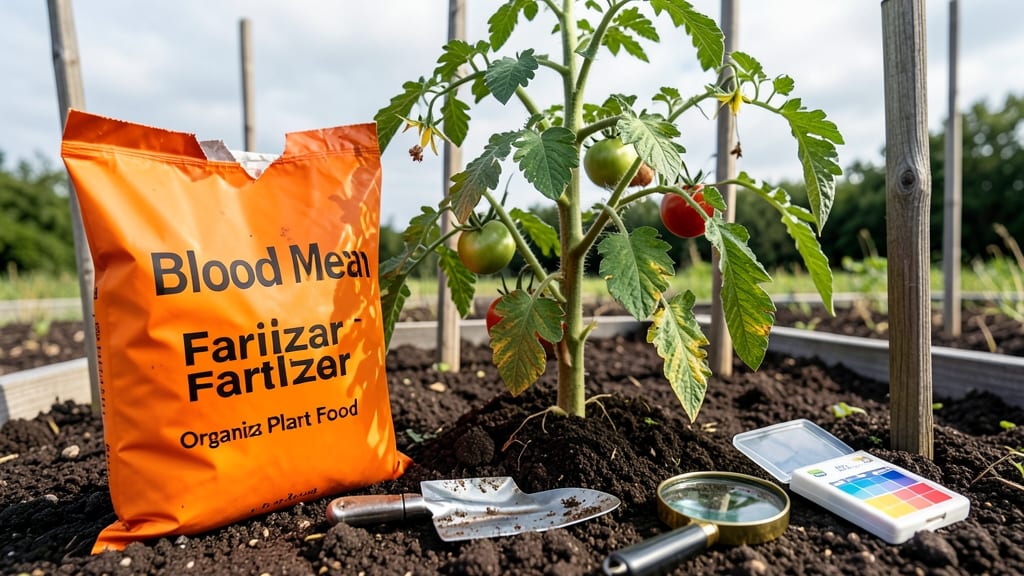
When your tomato plant’s leaves turn yellow between the veins, it’s not just a cosmetic issue—it’s a cry for help. 🌱 I’ve seen this magnesium and nitrogen deficiency mess up harvests before, but the good news is that fixing it is faster than you think, and you don’t need a chemistry degree.
The yellowing starts on older leaves first, often with crispy edges, while the veins stay green. This isn’t just about nitrogen—magnesium deficiency (think Epsom salt) plays a huge role too. Most gardeners overlook the soil pH or overwatering, which actually worsens the problem by locking out nutrients.
In just 10-14 days, you can reverse the damage with the right amendments: a mix of balanced fertilizer and magnesium sulfate. I’ll show you exactly how to diagnose the issue and apply the fix without burning your plants.
Once you spot the early signs, you’ll save your tomatoes—and next season, you’ll know how to prevent it entirely with simple soil checks and feeding schedules.
Root Causes Behind Yellowing Tomato Leaves
When your tomato plant’s leaves start turning yellow—especially with magnesium or nitrogen deficiency—it’s usually a cry for help from the roots up. Understanding the why behind these symptoms is the first step to saving your harvest. Let’s break down the science behind the most common triggers.
Magnesium is the central atom in chlorophyll, the pigment that gives leaves their green color. When magnesium levels drop—often due to:
- Overly acidic soil (pH < 6.0): Magnesium binds poorly in acidic conditions, making it unavailable even if present. Test your soil’s pH with a kit; ideal for tomatoes is 6.0–6.8.
- High potassium or calcium competition: These nutrients can outcompete magnesium for uptake, especially in sandy soils that drain too quickly.
- Excessive nitrogen fertilization: While nitrogen feeds growth, too much can displace magnesium in the plant’s nutrient uptake system, leading to yellowing between leaf veins (a classic interveinal chlorosis sign).
Pro tip: 💡 If your soil is sandy or you’ve used synthetic fertilizers heavily, magnesium may leach out faster. A Epsom salt (magnesium sulfate) spray (1 tbsp per gallon of water) can provide a quick fix.
Yellow leaves aren’t always about nutrients—they can also scream hydration trouble. Here’s how water plays a role:
- Overwatering or poor drainage: Roots suffocate in waterlogged soil, starving them of oxygen and preventing magnesium absorption. Check for:
- 🔍 Gummy roots (rotting, mushy roots)
- 🌧️ Puddles lingering 2+ hours after watering
- Underwatering or drought stress: While less common, magnesium deficiency can mimic drought symptoms. The plant prioritizes water transport over nutrient delivery to leaves, causing yellowing.
- Salty soil buildup: Over time, fertilizers or irrigation water can leave behind sodium or chloride salts, which block magnesium uptake. Flush the soil with 3–4 inches of water to leach out excess salts.
Tomatoes are heavy feeders, but too much of a good thing can backfire. Nitrogen and magnesium deficiencies often stem from:
- Imbalanced synthetic fertilizers: Cheap high-nitrogen (e.g., 30-10-10) fertilizers can create a magnesium deficit by promoting lush growth without supporting chlorophyll production.
- Lack of organic matter: Synthetic fertilizers feed plants quickly but don’t improve soil structure. Without compost or aged manure, magnesium stays locked in soil particles and becomes inaccessible.
- Foliar nutrient burn: Over-spraying urea or ammonium-based fertilizers can disrupt magnesium uptake through the leaves, leading to yellowing.
Fix it: ✨ Switch to a balanced fertilizer (e.g., 10-10-10 or 5-5-5) with added magnesium or use fish emulsion for a slow-release organic boost.
Not all yellow leaves mean deficiency—sometimes, it’s just old age. Tomatoes follow a predictable leaf-shedding pattern:
- Lower leaves yellow first: As the plant matures, it recycles nutrients from older leaves to support fruit production. This is normal if:
- 🍅 Fruits are ripening (late summer/fall)
- 🌿 New leaves stay green
- Systemic magnesium deficiency (not age-related) will cause:
- 🟡 Yellowing on UPPER leaves (not just bottom)
- 🔥 Brown, crispy edges (magnesium burn)
Test the difference: 🎯 Prune a yellow lower leaf and observe new growth. If upper leaves stay green, it’s likely natural senescence. If they yellow too, act fast!
Quick Fixes for Reviving Your Tomato Plants
If your tomato plants are showing signs of magnesium yellow leaves or nitrogen deficiency, don’t panic—these issues are often reversible with the right approach. Below, we’ve mapped out practical solutions tailored to the root cause, whether it’s nutrient imbalance, poor soil health, or environmental stress. Follow these steps to nurse your plants back to vigor and prevent future problems.
When magnesium levels drop, older leaves turn yellow between veins (a classic sign of interveinal chlorosis). Here’s how to restore balance:
1️⃣ Apply Magnesium-Rich Fertilizers (Fast Relief)
Use these easily accessible options to boost magnesium quickly:
- Epsom salt (magnesium sulfate): Mix 1 tablespoon per gallon of water and spray directly on leaves (especially undersides) or pour around the base. Repeat every 2–3 weeks.
- Magnesium sulfate granules: Sprinkle ½ cup per 10 sq ft around the plant’s drip line, then water thoroughly. Best for soil application.
- Organic options: Kelp meal, wood ash (sparingly), or composted manure (adds magnesium + other micronutrients).
2️⃣ Improve Soil Drainage & pH (Long-Term Fix)
Magnesium absorbs poorly in alkaline or waterlogged soil. Test your soil’s pH (ideal: 6.0–6.8 for tomatoes) and take action:
- For alkaline soil (pH >7): Add sulfur or peat moss to lower pH gradually.
- For compacted/clay soil: Mix in perlite or compost to improve aeration and root access to nutrients.
- Mulch heavily: Use straw or grass clippings to retain moisture and prevent magnesium leaching.
💡 Pro Tip:
If your soil is sandy, magnesium washes out faster—apply fertilizers more frequently (every 1–2 weeks) during fruiting.
Nitrogen deficiency causes overall yellowing (chlorosis), weak stems, and slow growth. Unlike magnesium, nitrogen is highly mobile in plants, so symptoms appear on newer leaves first. Here’s how to fix it:
1️⃣ Use a Balanced Nitrogen Boost (Immediate Fix)
Choose quick-acting nitrogen sources:
- Liquid fish emulsion (5-1-1 or 2-3-1 ratio): Dilute to 1 tbsp per gallon and apply as a foliar spray or soil drench. Reapply every 2 weeks.
- Blood meal (organic): Sprinkle 1–2 tbsp per plant around the base, then water in. Works slowly (2–3 weeks to see results).
- Synthetic options: Use a low-phosphorus fertilizer (e.g., 30-0-5) for a fast nitrogen kick.
2️⃣ Adjust Watering Practices (Prevent Leaching)
Nitrogen washes out easily in overwatered or sandy soils. Adjust your routine:
- Water deeply but less often: Let the top 1–2 inches of soil dry between waterings to encourage root growth.
- Avoid wetting leaves: Use drip irrigation or soaker hoses to deliver nutrients directly to roots.
- Mulch with nitrogen-rich materials: Try composted grass clippings or alfalfa pellets to slowly release nitrogen.
3️⃣ Rotate Crops & Test Soil (Prevention)
If nitrogen issues recur, your soil may be exhausted. Plan ahead:
- Plant nitrogen-fixing cover crops: Grow clover or vetch in off-seasons to replenish soil.
- Test soil every 2–3 years: Use a home test kit or send a sample to a lab for a full nutrient analysis.
- Avoid over-fertilizing: Too much nitrogen leads to leafy growth but few tomatoes. Aim for a balanced 10-10-10 or 5-5-5 fertilizer.
💡 Pro Tip:
Tomatoes are heavy feeders—split nitrogen applications into 3 doses: at planting, when flowers appear, and when fruits set. This prevents sudden spikes or drops.
If your plants show both magnesium and nitrogen symptoms, combine treatments:
| Problem | Solution | Frequency |
|---|---|---|
| Yellow edges + weak stems | Epsom salt (foliar) + fish emulsion (soil) | Weekly for 2 weeks, then biweekly |
| Pale leaves + slow growth | Blood meal (soil) + compost tea (foliar) | Every 3 weeks |
| Crispy yellow edges + stunted fruit | Magnesium sulfate granules + balanced fertilizer (10-10-10) | Monthly |
With consistent care, your tomato plants should show greener leaves and stronger growth within 2–4 weeks. Monitor progress and adjust treatments based on new leaf growth. For organic gardeners, prioritize compost teas and mineral amendments—your plants (and future harvests) will thank you!
Frequently asked questions
Why do my tomato leaves turn yellow between the veins first?
This classic pattern is called interveinal chlorosis and almost always signals magnesium deficiency. Magnesium is vital for chlorophyll production, so when it’s lacking, the areas between leaf veins (where chlorophyll is concentrated) lose color first. Check for crispy edges too—this confirms magnesium burn.
Can I use Epsom salt if my tomato plants have nitrogen deficiency?
Epsom salt (magnesium sulfate) won’t fix nitrogen deficiency directly, but it can help if both issues exist. For pure nitrogen problems, use fish emulsion or blood meal instead. Test your soil first—if pH is too low (<6.0), magnesium won’t absorb well even with Epsom salt.
How often should I apply magnesium supplements?
Start with 1 tablespoon of Epsom salt per gallon of water every 2 weeks until new leaves stay green. For soil applications, use ½ cup magnesium sulfate granules per 10 sq ft monthly. Overapplication can cause salt buildup—always water thoroughly after applying.
Will fixing magnesium deficiency improve my tomato yield?
Magnesium supports photosynthesis and fruit development. Plants with corrected magnesium levels show 20-30% more fruit set and better flavor. Combine magnesium treatments with balanced fertilization for maximum results during flowering and fruiting stages.
What if my tomato leaves stay yellow even after treatment?
Check these common culprits: poor drainage (roots suffocating), pH imbalance (test with a kit), or pest damage (like spider mites). If symptoms persist after 4 weeks, consider soil testing for hidden issues like calcium or potassium excess that may block magnesium uptake.