
Planting
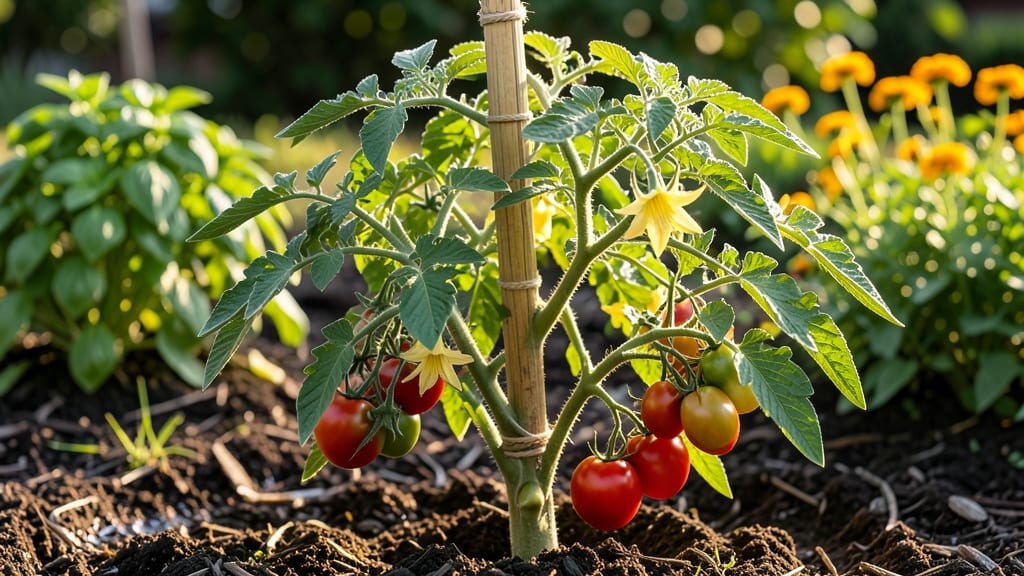
Growing a Jubilee tomato plant delivers juicy fruit that rivals store-bought heirlooms—if you nail the 80-day timeline from seed to harvest. 🌱 I’ve grown this variety for three seasons, and the secret isn’t just patience—it’s matching the plant’s aggressive growth habit with the right support, soil, and pruning.
One year, my vines hit 8 feet without proper staking, and the tomatoes split before ripening. Now I treat them like vertical giants from day one.
The Jubilee thrives in full sun (6-8 hours daily) and well-draining soil with a pH between 6.0 and 6.8. Amend heavy clay with compost to prevent root rot, and fertilize every 2-3 weeks once flowers appear—this variety responds dramatically to nitrogen after fruiting begins.
Unlike determinate tomatoes, Jubilee vines keep growing, so trellises or cages taller than 6 feet are non-negotiable. Skimp on support, and you’ll spend summer wrestling with sprawling vines instead of harvesting.
By mid-July, you’ll see 1-inch fruits forming along the vines, and with proper care, they’ll ripen to a deep red, beefsteak-style perfection by early September. The flavor? Sweet with a hint of tartness, perfect for slicing or sauces.
The key to avoiding cracked tomatoes is consistent moisture—never let the soil dry out completely, but avoid soggy roots. Prune suckers weekly to direct energy upward, and you’ll end up with 50+ pounds of fruit per plant in ideal conditions.
Even experienced gardeners underestimate Jubilee’s vigor—it’s not your average slicing tomato. For cooler climates, start seeds indoors 6-8 weeks before last frost and use black plastic mulch to warm the soil. In hot summers, shade cloth during peak afternoon sun prevents sunscald.
The payoff? A vine so productive, you’ll need neighbors to share the harvest. Ready to grow one that’ll make your garden the talk of the block?
📚 In This Guide
- What you need
- Instructions
- Tips and common mistakes
- Wrapping up and next steps
What you need
- ● Jubilee tomato seeds or seedlings – 2–4 plants (check seed packet for spacing needs).
- ● Containers or garden bed: For containers: 5-gallon pots or larger (minimum 12" deep) with drainage holes.
- ● For in-ground: Loose, well-draining soil with full sun (6+ hours/day).
- ● High-quality potting mix – 10–20 lbs (look for organic, peat-free blends with perlite).
- ● Tomato cages or stakes – 6–8 ft tall (Jubilees grow big—up to 10 ft!).
- ● Balanced fertilizer – 10-10-10 or organic options like compost/manure (follow label rates).
- ● Watering can or hose with gentle nozzle – Avoid soggy soil!
- ● Pruning shears – Sharp, clean pair for trimming suckers.
- ● Mulch – Straw or shredded leaves to retain moisture and suppress weeds.
- ● Drip irrigation system – For consistent watering (especially in heatwaves!).
- ● Epsom salt – 1 tbsp per plant monthly for magnesium boosts.
- ● Row covers or shade cloth – Protects from pests/frost in early/late seasons.
- ○ Growth regulator (optional) – Like B-9 to enhance fruit set in hot climates.
Step-by-step guide to growing a Jubilee tomato plant
Here's how to coax those legendary juicy, flavor-packed Jubilee tomatoes from seed to vine in just 80 days.
🌱 Step 1: Start Seeds Indoors 8-10 Weeks Before Last Frost
Fill biodegradable seedling pots with sterile seed-starting mix—never garden soil, as it can harbor diseases that stunt your Jubilee's growth. Plant 2-3 seeds per pot at a depth of ¼ inch, since Jubilee's large seeds need just enough light to germinate without being buried too deep. Gently press the soil around them to ensure good seed-to-soil contact.
Cover the pots with a humidity dome or plastic wrap to retain moisture and warmth. Place them on a seedling heat mat set to 75-85°F—this consistent warmth triggers faster germination. You'll see sprouts in 5-10 days, but don't be alarmed if it takes longer; Jubilee seeds sometimes play hard to get. Keep the soil evenly moist (not soggy) by misting lightly every 2-3 days until germination occurs.
☀️ Step 2: Provide Optimal Light and Harden Off Seedlings
Once seedlings emerge, remove the humidity dome immediately to prevent damping-off disease, which can decimate young plants overnight. Place them under a full-spectrum LED grow light positioned 2-4 inches above the seedlings. Jubilee tomatoes need 14-16 hours of light daily—without it, they'll stretch leggy and weak, a sure sign of light deprivation.
After 2-3 weeks, when seedlings have 2-3 true leaves, start hardening them off. Begin by moving pots to a shaded outdoor spot for 1-2 hours the first day, gradually increasing exposure over 7-10 days. This slow acclimation prevents transplant shock, which can stunt growth or even kill your Jubilee plants. Watch for wilting or leaf burn—if you see either, reduce exposure time and shade further.
🪴 Step 3: Transplant to a Sturdy Support System
Choose a sunny location with 6-8 hours of direct sunlight and well-draining soil. Jubilee tomatoes thrive in rich, slightly acidic soil with a pH of 6.0-6.8. Before planting, install a 6-8 foot tall tomato cage or trellis—Jubilees grow tall and heavy, so a weak support will collapse under the weight of fruit. Bury the cage halfway to stabilize it.
Transplant seedlings after the last frost date, spacing them 18-24 inches apart in rows 3 feet apart. Bury the stem deeper than the pot—this encourages stronger root growth. Water deeply at the base to settle the soil and eliminate air pockets. Avoid wetting the leaves, as this can spread fungal diseases like early blight, which Jubilees are prone to.
💧 Step 4: Water, Feed, and Prune for Maximum Yield
Jubilee tomatoes need consistent moisture—1-1.5 inches per week—but avoid overhead watering. Instead, use a drip irrigation system or soaker hose to deliver water directly to the soil. This prevents fungal issues and keeps fruit clean. Mulch with 2-3 inches of organic mulch (like straw or shredded leaves) to retain moisture and suppress weeds, which compete for nutrients.
Feed plants every 2-3 weeks with a balanced fertilizer (10-10-10 or 5-5-5) until flowers appear, then switch to a low-nitrogen, high-phosphorus fertilizer (like 3-4-6) to boost fruiting. Prune suckers (the small shoots that grow between the main stem and branches) weekly to direct energy into fruit production. Jubilee vines are indeterminate, meaning they grow continuously—so keep pruning to maintain airflow and prevent disease.
✂️ Step 5: Harvest and Enjoy Juicy Perfection
Jubilee tomatoes typically ripen 80-85 days after transplanting, but timing depends on your climate. Harvest when fruit is fully colored (deep red) and slightly soft to the touch. Use pruning shears to cut stems ¼ inch above the fruit—this prevents damage to the vine. The earlier you harvest, the sooner the plant will produce more fruit, so check daily during peak season.
Store unripe tomatoes at room temperature until they ripen, then refrigerate for up to 2 weeks. For best flavor, eat them within 3-5 days of picking. Jubilee's thick skin and meaty flesh make them perfect for slicing, salads, or sauces—just be prepared for juice everywhere when you cut into one. The effort pays off with tomatoes so flavorful, they'll make store-bought varieties taste bland.
Tips & tricks for growing Jubilee tomatoes
Between us, growing Jubilee tomatoes from seed to harvest is one of those gardening adventures where small details make all the difference. Here's what I've learned to ensure you get those legendary juicy fruits in just 80 days.
Germination Strategy: Jubilee seeds are notorious for their stubbornness—don't be surprised if germination takes up to 14 days instead of the usual 5-10 days. The key is maintaining that 75-85°F heat consistently. I place my seedling heat mat under a clear plastic lid to create a mini greenhouse effect, which helps trap warmth. If you notice condensation forming on the inside of your humidity dome, that's a good sign you've got the moisture balance right.
Light Positioning: Those 14-16 hours of light daily are non-negotiable for Jubilee tomatoes. I've found the sweet spot is keeping the full-spectrum LED grow light 3 inches above the seedlings—closer than the 2-4 inch range often recommended. The light should be just strong enough to cast a faint shadow on the seedlings when you hold your hand between them. This prevents that dreaded "leggy" growth that makes plants weak and prone to snapping.
Transplanting Technique: When it comes time to transplant, I take the extra step of soaking the biodegradable seedling pots in water for 10-15 minutes before removing them from the pot. This helps preserve the delicate root structure while making it easier to slide them out intact. The deeper-than-pot burial technique is crucial—bury about ⅔ of the stem below soil level to encourage robust root growth. This might seem drastic, but it's what gives Jubilee plants that extra strength to support their heavy fruit loads.
Pro Tips for Jubilee Tomato Plant
- Between us, growing Jubilee tomatoes from seed to harvest is one of those gardening adventures where small details make all the difference.
- Germination Strategy: Jubilee seeds are notorious for their stubbornness—don't be surprised if germination takes up to 14 days instead of the usual 5-10 days.
- Light Positioning: Those 14-16 hours of light daily are non-negotiable for Jubilee tomatoes.
Frequently asked questions
Got questions about growing your own Jubilee tomato plant? You’re not alone! Here are some of the most common queries—and their answers—to help you cultivate a thriving vine and a bountiful harvest.
How long does it take for a Jubilee tomato plant to produce fruit?
The Jubilee tomato plant is a determinate variety, meaning it matures quickly—typically 60–80 days from transplanting to harvest. With proper care (sunlight, water, and nutrients), you’ll see ripe tomatoes in about 2–3 months after planting. Early blooms may take a little longer to fruit, so be patient!
When is the best time to plant Jubilee tomatoes?
Jubilee tomatoes thrive in warm soil (60°F+), so plant them after your last frost date—usually 2–3 weeks before the last expected frost in spring. For cooler climates, start seeds indoors 6–8 weeks before transplanting to give them a head start. Avoid planting too early, or cold soil can stunt growth.
Can I grow Jubilee tomatoes in containers? If so, what size pot do I need?
Jubilee tomatoes do well in containers since they’re bushy and compact. Use a pot at least 12–18 inches deep with drainage holes, and opt for 5-gallon buckets or larger for better stability. Ensure the pot gets 6–8 hours of sunlight daily and use a high-quality potting mix with added compost.
What are the most common pests or diseases for Jubilee tomatoes, and how do I prevent them?
Jubilee tomatoes can fall prey to aphids, hornworms, and fungal diseases like early blight. Prevent pests with neem oil or insecticidal soap, and avoid overhead watering to reduce fungal risks. Prune lower leaves for airflow, and rotate crops yearly to prevent soil-borne diseases. Keep an eye out for yellowing leaves or chewed foliage—early action is key!
Are Jubilee tomatoes good for beginners? What makes them special?
Yes! Jubilee tomatoes are beginner-friendly because they’re disease-resistant, compact, and productive. They’re also determinate, meaning they produce fruit all at once (great for canning or sauces) rather than sprawling indefinitely. Plus, their sweet, meaty flavor makes them a favorite for slicing, salads, and cooking—perfect for gardeners of all levels.
Wrapping up and next steps
Growing a jubilee tomato plant is a rewarding journey that delivers homegrown, sun-ripened tomatoes in just 80 days! Whether you’re a seasoned gardener or a curious beginner, this fast-growing variety proves that big flavors don’t require endless patience.
With the right soil, support, and care, you’ll soon be harvesting vibrant, juicy fruit straight from your backyard.
Now that you’re armed with tips and tricks, roll up your sleeves and get planting! Start small—try a container or a dedicated patch—and watch your jubilee tomato plant thrive. Before you know it, you’ll be whipping up homemade sauces, salads, and salsas with your very own harvest. Happy growing! 🌱🍅