
Planting
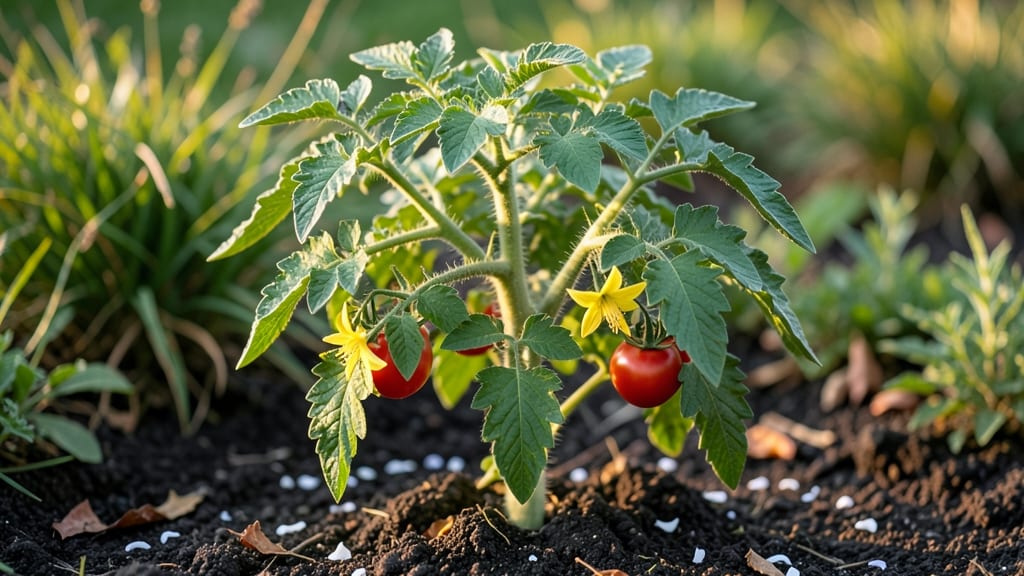
Growing a Heartbreaker tomato plant means sturdy vines that shrug off wind and pests while delivering sweet, meaty fruit. 🌱 Unlike floppy heirlooms, this variety stays compact yet productive, perfect for small spaces or high-wind zones.
The deep red, beefsteak-style tomatoes have a rich, balanced flavor that rivals store-bought—but with none of the sad, watery texture. This tomato thrives in full sun (6-8 hours daily) and well-draining soil with a pH of 6.0-6.8.
Plant seeds ¼-inch deep after the last frost, spacing them 18-24 inches apart for airflow. A strong trellis or cage is key—these vines grow 4-6 feet tall but stay bushier than indeterminate types, so they don’t need aggressive pruning.
Water at the base 1-2 inches per week, avoiding wet foliage to prevent disease. Feed with a balanced fertilizer (10-10-10) every 4-6 weeks until fruiting, then switch to a low-nitrogen, high-phosphorus blend.
Harvest when tomatoes turn deep red and slightly soft to the touch—usually 70-80 days after transplanting. The payoff? Fewer broken stems, fewer pest attacks, and heavier yields than most tomatoes. Even in challenging climates, Heartbreakers deliver—no drama, just delicious results. Ready to grow one?
📚 In This Guide
- What you need
- Instructions
- Tips and common mistakes
- Wrapping up and next steps
What you need
- ● Heartbreaker tomato seeds or seedlings – Choose disease-resistant varieties if possible (1-2 plants per gardener).
- ● Well-draining potting mix or garden soil – Aim for a balanced blend (e.g., 60% topsoil, 30% compost, 10% perlite/sand). Pro tip: 💡 Mix in mycorrhizal fungi to boost root strength!
- ● 5-gallon containers or raised beds – Ensure depth of at least 12 inches and diameter of 18+ inches for sturdy support.
- ● Tomato cages or sturdy stakes (6-8 ft tall) – Metal cages (5-6 ft diameter) work best for wind resistance.
- ● Balanced fertilizer (10-10-10 or organic) – Use 1 tbsp per plant at planting, then every 4-6 weeks.
- ● Mulch (straw, grass clippings, or shredded leaves) – 2-3 inches thick to retain moisture and deter pests.
- ● Garden trowel or transplanting spade – For digging holes (12-18 inches deep).
- ● Pruning shears – To trim suckers and shape vines.
- ● Watering can or hose with adjustable nozzle – Deep watering (1-2 inches per week) is key!
- ● Gloves and knee pads – Because gardening is way more fun when you’re comfy.
- ● Copper tape or row covers – To deter pests like hornworms and aphids.
- ● Fish emulsion or compost tea – For an extra nutrient boost during fruiting.
- ● Plant collars or reflective mulch – Helps ward off pests naturally.
- ● Growth regulator (like seaweed extract) – Promotes stronger stems for windy conditions.
Step-by-step instructions for growing a Heartbreaker tomato plant
Here's how to cultivate a robust Heartbreaker tomato plant that thrives despite wind and pests.
🌱 Step 1: Select and Prepare the Right Container
Heartbreaker tomatoes need 5-gallon containers with drainage holes—this variety grows large, so a minimum of 18 inches deep prevents root binding. I use fabric grow bags because they allow roots to breathe and reduce transplant shock. Fill each container with high-quality potting mix mixed with 20% perlite for aeration.
Press the soil down gently to remove air pockets, but avoid compacting it. The mix should feel like a damp sponge—squeeze it to test. If it holds together but doesn’t drip, you’re good. Add a slow-release fertilizer (like 10-10-10) at planting time to fuel early growth. This ensures your plant won’t scramble for nutrients when vines start stretching.
🌿 Step 2: Plant and Support the Seedling
Transplant your Heartbreaker seedling when it has 4-5 true leaves and a sturdy stem. Bury it slightly deeper than its original pot—up to the first set of leaves—to encourage strong root development. Gently firm the soil around the base, but don’t pack it down tightly.
Install a 6-foot tomato cage or sturdy bamboo stake immediately. Heartbreaker vines grow aggressively, so support prevents wind damage and keeps fruit off the ground. I like cages because they’re easier to work with than stakes for this variety. Water deeply right after planting to settle the soil and eliminate air gaps around roots.
☀️ Step 3: Manage Light and Water for Maximum Resilience
Heartbreaker tomatoes thrive in full sun (6-8 hours daily), but they’ll tolerate partial shade if temperatures exceed 90°F. In hot climates, provide afternoon shade to prevent sunscald. I’ve found that mulching with 2-3 inches of straw keeps roots cool and retains moisture, which is critical for wind-resistant growth.
Water at the base deeply every 2-3 days—until 6 inches of soil feels moist. Avoid wetting leaves to prevent disease. You’ll notice the plant’s thick stems and glossy leaves when moisture is right. Overwatering leads to weak stems, while underwatering causes blossom-end rot. Consistency is key.
✂️ Step 4: Prune and Train for Wind Resistance
Prune suckers (the shoots that form in the leaf axils) weekly to focus energy on the main stem. Heartbreaker vines benefit from indeterminate pruning—removing up to 50% of suckers improves airflow and reduces wind load. Use sharp shears to cut just above a leaf node to prevent disease entry.
Train vines to spiral up the cage or stake in a counterclockwise direction. This natural growth pattern distributes weight evenly and prevents snapping in storms. When fruit sets, remove the lowest clusters to prioritize upper growth. You’ll see stronger stems and fewer broken branches with this method.
🪴 Step 5: Protect Against Pests and Wind
Heartbreaker tomatoes attract pests like hornworms and aphids, but a neem oil spray applied every 2 weeks keeps them at bay. For wind protection, wrap the base of the plant with burlap or a windbreak fabric during storms. I’ve seen vines snap under 30 mph winds without support.
Monitor for early signs of stress—yellowing leaves or wilting indicates overwatering or pests. Adjust care immediately. By late summer, your plant should have multiple trusses of fruit and a thick, resilient stem. Harvest when tomatoes are fully colored and slightly soft to the touch for peak flavor.
Tips & tricks for growing sturdy Heartbreaker tomato vines
Between us, these little tricks made the difference between a tomato plant that barely survived and one that thrived—even in windy conditions. Heartbreaker tomatoes are tough, but they need the right approach to reach their full potential.
The Container Depth Game: That 18-inch minimum depth isn't just arbitrary—it's about preventing root binding. I've seen Heartbreaker plants in shallower pots develop gnarled roots that strangle their own growth. If you're using fabric grow bags, choose ones labeled for large tomato varieties. The extra depth gives roots room to explore downward while the breathable fabric prevents waterlogging.
Pruning Like a Pro: When you're removing those suckers weekly, don't just yank them out—snip with clean shears just above a leaf node. I learned this the hard way after watching plants develop open wounds that attracted pests. Also, remember that "up to 50% of suckers" means you're not doing this plant a favor by removing every single one. Leave some to create a bushier structure that can better handle wind loads.
Wind Defense Strategy: The burlap wrap around the base isn't just decoration—it acts like a natural windbreak. For extra protection during storms, I've found that securing a piece of hardware cloth around the cage creates a physical barrier that prevents vines from whipping against each other. This simple addition has saved multiple plants from snapping during 30+ mph winds. Think of it as giving your tomato plant its own little force field.
Harvesting Cues: That "slightly soft to the touch" guideline is your secret weapon for perfect timing. I've trained myself to gently press the tomato between my thumb and forefinger—when it gives just a little but doesn't squish completely, that's prime harvest time. Waiting until they're fully soft means you're losing flavor and risking splitting from overripening. And here's a pro move: harvest in the morning when the fruit's natural sugars are at their peak.
Pro Tips for Heartbreaker Tomato Plant
- Between us, these little tricks made the difference between a tomato plant that barely survived and one that thrived—...
- The Container Depth Game: That 18-inch minimum depth isn't just arbitrary—it's about preventing root binding. I've se...
- Pruning Like a Pro: When you're removing those suckers weekly, don't just yank them out—snip with clean shears just a...
Frequently asked questions
What makes the Heartbreaker tomato plant different from other varieties?
The Heartbreaker is a determinate (bush-type) tomato bred for wind resistance and pest tolerance. Its sturdy vines and compact growth (3–4 ft tall) make it ideal for containers, small gardens, or areas with harsh weather. Plus, its rich, beefsteak-style flavor is a game-changer for sauces and sandwiches!
When is the best time to plant Heartbreaker tomatoes?
Start seeds indoors 6–8 weeks before your last frost date (typically March–April in most zones). Transplant seedlings outdoors after soil reaches 60°F (15°C) and nighttime temps stay above 50°F (10°C). For cooler climates, use black plastic mulch or row covers to extend the season.
How do I protect Heartbreaker tomatoes from pests and wind?
This variety is naturally resistant to many pests, but watch for hornworms and aphids. Use neem oil or row covers early on. For wind, stake plants at transplant (even determinate types benefit!) or plant near a windbreak. Prune suckers lightly to improve airflow and reduce disease risk.
Why aren’t my Heartbreaker tomatoes ripening?
Common culprits include cool temps (<55°F/13°C), poor pollination, or overcrowding. Try these fixes:
- Hand-pollinate with a paintbrush if bees are scarce.
- Move plants to a sunnier spot (6–8+ hours of light daily).
- Thin fruit if overloaded—1–2 tomatoes per cluster ensures bigger, sweeter results.
Can I grow Heartbreaker tomatoes in containers? If so, what size pot?
Absolutely! This variety thrives in 5-gallon containers or larger (at least 12–18 inches deep). Use a well-draining potting mix with compost and a time-release fertilizer. Place pots in a wheelbarrow or saucer to catch water, and rotate weekly for even growth.
Pro Tip:
For extra flavor, let a few tomatoes ripen on the vine until deep red—even if they’re not perfectly round. Heartbreakers are heirloom-style, so irregular shapes = bold taste!
Wrapping up and next steps
Growing a Heartbreaker tomato plant is your ticket to a bountiful, resilient harvest—even in less-than-perfect conditions! 🌱 With its sturdy vines and disease-resistant traits, this variety proves that thriving tomatoes don’t require perfect weather or pest-free gardens.
Whether you’re a seasoned gardener or a curious beginner, these plants reward patience with delicious, homegrown fruit.
Ready to take the next step? Start by grabbing your seeds or seedlings, prepping your soil, and giving these tough little plants the care they deserve. Before you know it, you’ll be savoring the sweet, tangy rewards of your hard work—one vine at a time!