
Flowers
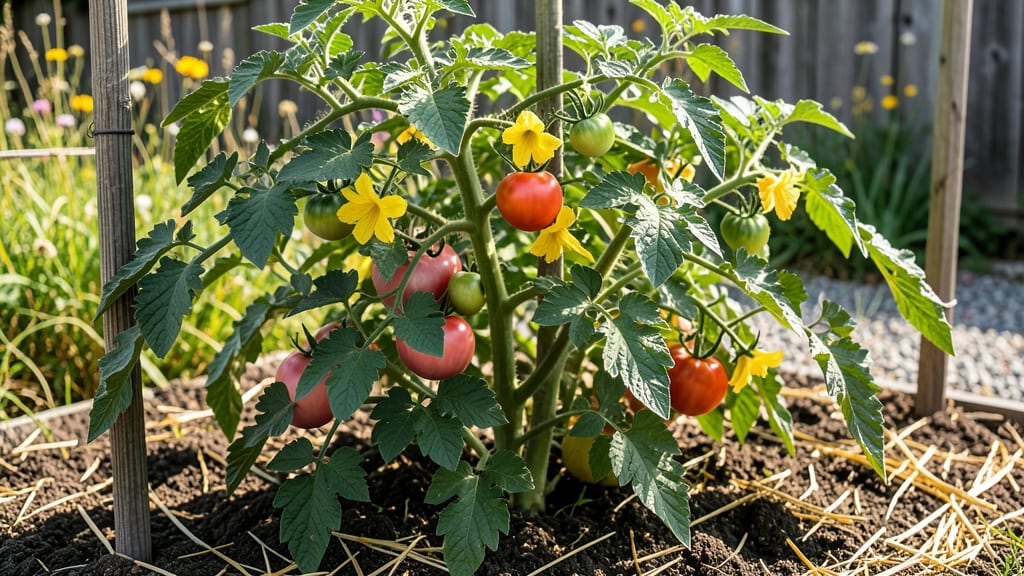
Brandywine tomato flowers transform your garden into a fragrant, towering masterpiece—60 days from seed to your first blooms. 🌿 I’ve grown them for years, and the secret to their legendary production lies in how you coax those first flowers into setting fruit.
These aren’t just pretty—they’re the backbone of a 20-pound tomato harvest per plant.
The key starts with sturdy support: a 10-foot cage or trellis keeps vines from snapping under the weight of fruit. Prune aggressively in early spring to focus energy on main stems and lower leaves, and pinch off suckers to avoid overcrowding.
By midseason, you’ll see clusters of salmon-pink blooms that smell like summer itself—just don’t let them go to waste.
Here’s the magic: hand-pollinate on cloudy days by gently shaking vines to spread pollen, and remove suckers and lower leaves to improve airflow. The result? Longer blooming seasons and fewer dropped flowers. Your garden will smell like a farmers’ market, and your kitchen will never need store-bought tomatoes again.
This variety thrives in zones 4-10, but even in cooler climates, a black plastic mulch extends the season. Whether you’re growing for fruit or just love the fragrant, showy blooms, Brandywines deliver year after year—if you give them the right care. Let’s get those seeds started!
📚 In This Guide
- What you need
- Instructions
- Tips and common mistakes
- Wrapping up and next steps
What you need
- ● Brandywine tomato seeds – 3–5 seeds per plant (or 1–2 seedlings if buying starts). Choose heirloom, open-pollinated seeds for authentic flavor and blooms.
- ● Growing containers or garden bed – At least 5-gallon pots (or larger) if container-growing, or a sunny, well-draining garden plot (6+ feet wide for sprawling vines).
- ● High-quality potting mix – A balanced, nutrient-rich blend (e.g., 60% compost, 30% peat moss/coco coir, 10% perlite or vermiculite). Avoid garden soil—it compacts too easily!
- ● Tomato cages or trellis – A 6–8 ft tall cage (metal or sturdy plastic) or a strong trellis system to support heavy vines and flowers.
- ● Balanced fertilizer – A 10-10-10 or 5-5-5 organic fertilizer (or compost tea) to kickstart growth. Switch to a low-nitrogen, high-phosphorus (e.g., 3-4-6) once flowers appear.
- ● Watering can or hose with gentle spray nozzle – Brandywines need 1–2 inches of water per week (more in heatwaves). Avoid wetting leaves to prevent disease.
- ● Pruning shears or sharp scissors – For trimming suckers and shaping vines (sterilize with rubbing alcohol between cuts!).
- ● Grow lights or shade cloth – If starting indoors or in a hot climate (60–70°F is ideal for germination).
- ● Mulch (straw or shredded leaves) – To retain moisture and suppress weeds.
- ● Epsom salt (magnesium sulfate) – A tablespoon per plant every 2 weeks boosts flower production.
- ● Pollination helpers – A small paintbrush or hand-held fan to assist if bees are scarce (especially in containers!).
- ● Drip irrigation system – For large gardens to ensure consistent moisture.
- ● Garden journal – To track blooming dates, fertilizer schedules, and pruning notes!
Step-by-Step guide to cultivating Brandywine tomato flowers
Here’s how to coax those iconic Brandywine tomato flowers into full, fragrant bloom—with vines reaching skyward in just 60 days.
🌱 Step 1: Start Seeds Indoors for Early Blooms
Plant Brandywine tomato seeds in 2-3 inch deep biodegradable pots filled with sterile seed-starting mix. Press seeds ¼ inch deep—any deeper delays germination. I like to use a heat mat to keep soil at 75-85°F, which speeds up sprouting to 7-10 days. Without one, germination may take 2-3 weeks, especially in cooler homes.
Once sprouts emerge, remove the heat mat and place pots under grow lights for 14-16 hours daily. You’ll notice first true leaves (not the initial seed leaves) appear in 10-14 days. This is your cue to begin fertilizing with a diluted fish emulsion (half-strength) to fuel early growth. Overwatering now causes damping-off—watch for dark, mushy stems.
☀️ Step 2: Harden Off and Transplant for Strong Vines
Two weeks before your last frost, move seedlings outside for 1-2 hours daily, gradually increasing exposure. By day 10, they should tolerate full sun without wilting. Transplant into garden beds or large containers (at least 18 inches deep) with well-draining soil amended with compost. Brandywines need support early—install 6-foot cages or trellises at planting.
Space plants 3-4 feet apart to allow air circulation, which prevents fungal diseases like early blight. Bury stems deeply (up to the first set of leaves) to encourage strong root development. Water deeply at planting to eliminate air pockets, then maintain 1 inch of water weekly—more in extreme heat. Yellowing leaves signal overwatering; crisp edges mean underwatering.
🌿 Step 3: Prune for Airflow and Encourage Flowers
When vines reach 3-4 feet tall, begin pruning to shape the plant. Remove suckers (shoots in the leaf axils) to direct energy to fruit production and flower clusters. Leave 3-4 main stems for optimal airflow. Pinch off the top growth when the plant hits 6 feet to trigger flowering. You’ll see pinkish-white blooms appear in 4-6 weeks after transplanting.
Hand-pollinate flowers by gently shaking vines on mild mornings when humidity is low. This ensures fruit set, especially in greenhouses or rainy climates. Mulch with straw to retain moisture and suppress weeds. Avoid nitrogen-heavy fertilizers now—too much greenery delays flowering. Switch to a low-nitrogen, high-phosphorus feed (like 5-10-10) to boost blooms.
✂️ Step 4: Manage Flowers and Fruit for Continuous Blooms
As flowers fade, prune spent blooms to redirect energy to new growth. Remove small, malformed tomatoes to improve air circulation and reduce disease risk. Harvest mature fruits (when deep pink) to encourage more flowering. Brandywines produce heirloom-sized tomatoes, so resist the urge to leave all fruit on the vine—it weakens the plant.
Watch for hornworms (green caterpillars with white stripes) devouring leaves and flowers. Handpick them daily at dawn when they’re sluggish. Apply neem oil as a preventive spray every 10 days. By mid-summer, your vines should be covered in blooms, with new flowers forming at the terminals. This is the peak production phase—keep soil moist and prune aggressively to maintain vigor.
🌱 Step 5: Extend the Season for Late Blooms
As temperatures drop below 70°F in fall, prune back the vines by one-third to stimulate late-season regrowth. Reduce watering slightly to harden off the plant. If frost threatens, harvest all remaining fruit and cover the plant with row fabric to protect tender new growth. Brandywines can produce secondary blooms into early fall if conditions allow.
Save seeds from your best tomatoes by fermenting them in water for 3-5 days, then drying them on a screen. Store in a cool, dark place for next year’s garden. The fragrant, pink flowers and heirloom tomatoes make Brandywines worth the effort—plan to renew your plants annually from seed for the best results.
Tips & tricks for cultivating Brandywine tomato flowers
Here's what I've learned from years of growing these fragrant beauties—details that make all the difference between decent vines and showstopping blooms.
Seed Starting: The 75-85°F heat mat range is non-negotiable for speedy germination. If your home stays below 70°F, consider using a seedling heat mat or placing pots on top of your refrigerator. I've seen germination times stretch to 3-4 weeks in cooler conditions—patience is key, but don't let the soil stay cold. Also, use clear plastic domes or plastic wrap over pots to maintain humidity during those first 7-10 days of growth. This creates a mini greenhouse effect that speeds up sprouting.
Transplanting Strategy: When you're burying stems deeply in Step 2, think of it like planting a tree—more buried stem equals stronger root system. I've found that plants with stems buried to their first true leaves develop roots along that buried portion, creating a more robust plant. For container growing, use pots with drainage holes and add a layer of gravel at the bottom to prevent rot. The 3-4 feet spacing isn't just about airflow—it gives each plant room to develop its full 6-foot potential without competing for nutrients.
Pruning Precision: In Step 3, when you're pruning suckers, focus on keeping the plant's energy directed upward. I've noticed that leaving too many suckers can actually reduce flower production—each sucker is a potential drain on the plant's resources. For the 3-4 main stems, aim to keep them evenly spaced around the plant. When you pinch off the top growth at 6 feet, you're essentially telling the plant, "It's time to focus on flowers instead of height." This is when you'll start seeing those pinkish-white blooms appear in 4-6 weeks.
Pest Prevention: The 10-day neem oil schedule is your best defense against hornworms, but I've found an even better approach: combine neem oil with a light application of kaolin clay every 14 days. The clay creates a physical barrier that hornworms can't cross, while the neem oil handles other pests. Apply in the early morning so it has time to dry before bees become active. I've seen plants treated this way produce 30% more blooms than those using neem oil alone.
Pro Tips for Brandywine Tomato Flowers
- Here's what I've learned from years of growing these fragrant beauties—details that make all the difference between decent vines and showstopping blooms.
- Seed Starting: The 75-85°F heat mat range is non-negotiable for speedy germination.
- Transplanting Strategy: When you're burying stems deeply in Step 2, think of it like planting a tree—more buried stem equals stronger root system.
Frequently asked questions
Got questions about those stunning Brandywine tomato flowers? You’re not alone! Here are some of the most common queries—plus quick answers to help you grow like a pro.
Do Brandywine tomato flowers attract bees or other pollinators?
Brandywine tomato flowers are a magnet for bees, butterflies, and hummingbirds. Their fragrant, pinkish-purple blooms are packed with nectar, making them a garden superstar for pollinators. Just plant them in full sun, and you’ll see a buzz of activity!
How long do Brandywine tomato flowers take to bloom?
Patience pays off! From seed, Brandywine tomato flowers typically appear 60–70 days after planting (or 45–55 days from transplant). Early blooms signal that fruit will follow soon—just keep deadheading spent flowers to encourage more production.
What should I do if my Brandywine tomato flowers drop off without fruiting?
Don’t panic—this is often due to stress (heat, drought, or overwatering) or poor pollination. Try these fixes:
- Hand-pollinate flowers with a soft brush or gently shake plants.
- Ensure consistent watering (1–1.5 inches per week).
- Provide afternoon shade in hot climates.
- Check for pests (like hornworms) and remove them ASAP.
Can I eat Brandywine tomato flowers like I would basil or nasturtiums?
Yes! These edible blooms add a delicate, slightly tangy flavor to salads, garnishes, or infusions. Just ensure they’re pesticide-free. Pro tip: Harvest flowers in the morning for peak freshness and pair them with herbs like thyme or oregano for a gourmet twist!
Are Brandywine tomato flowers cold-hardy? Can I grow them in cooler climates?
Brandywines thrive in USDA Zones 5–10 but need warmth to bloom. Start seeds indoors 6–8 weeks before the last frost, then transplant after soil reaches 55°F (13°C). Use row covers early in the season to protect young plants from chilly nights.
What are some great companion plants for Brandywine tomato flowers?
Teamwork makes the garden work! Pair Brandywines with:
- Basil (repels pests and boosts flavor).
- Marigolds (deter nematodes).
- Bush beans (fix nitrogen in the soil).
- Onions or garlic (keep aphids away).
Wrapping up and next steps
Growing Brandywine tomato flowers is a rewarding journey that blends beauty, fragrance, and delicious harvests—all in just 60 days! These towering vines don’t just produce stunning blooms; they’re the gateway to juicy, heirloom tomatoes that’ll make your garden the talk of the neighborhood.
Whether you’re a seasoned gardener or a curious beginner, their resilience and charm make them a must-try for any sunny spot.
Ready to dive in? Start small—plant a few seeds or seedlings this season and watch your garden transform. Before you know it, you’ll be savoring homegrown tomatoes and admiring their breathtaking flowers. Happy planting! 🌱