
How To
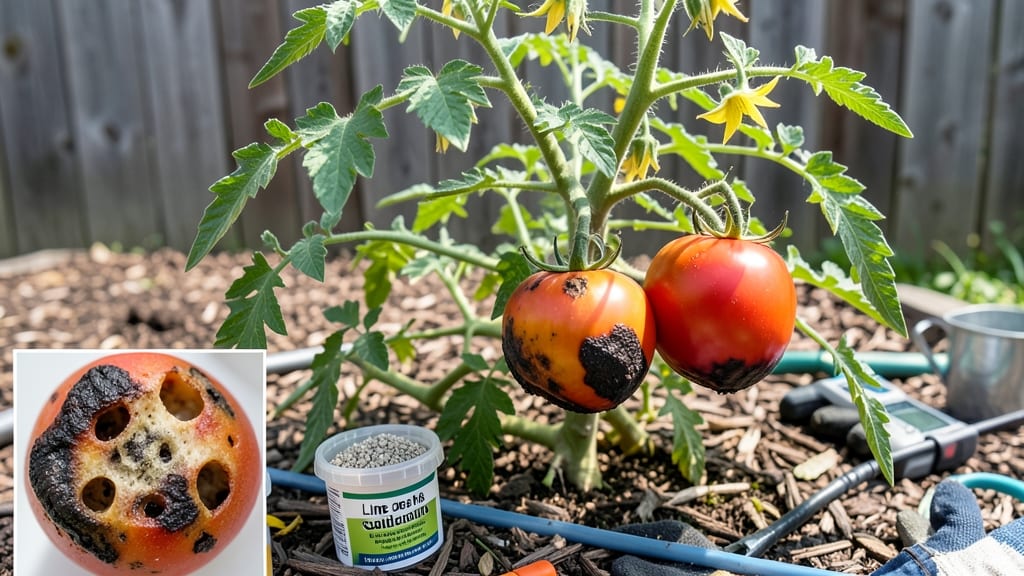
Your tomato harvest doesn't have to end in rot—tomato bottom end rot is fixable with the right approach. I’ve lost entire baskets of tomatoes to this sneaky problem, but these three simple fixes saved my next crop and kept my plants thriving until the first frost.
The culprit is usually a mix of calcium deficiency and inconsistent watering, but fungal infections can sneak in too. The key is catching it early—look for dark, sunken spots on the bottom of your tomatoes, often starting near the stem.
My plants went from doomed to productive once I adjusted my watering schedule and added a calcium boost.
With the right soil amendments and watering habits, you can prevent this problem before it starts. I’ll show you how to diagnose the issue, treat your plants, and keep your tomatoes firm and flavorful all season long—no more wasted harvests.
Whether you’re dealing with a single blight or a full-blown outbreak, these fixes work for container gardens, raised beds, and in-ground plots alike. Let’s get your tomatoes back on track!
Why it happens
H2: The Root Causes Of Rot
If your tomato plants are showing signs of bottom end rot, the issue almost always stems from a mix of environmental and cultural factors. Understanding these causes is the first step to preventing further damage and saving your harvest.
Let’s break down the science behind why this frustrating problem occurs.
💧 Overwatering And Poor Drainage
Tomatoes are not water-loving plants—they need consistent moisture but hate soggy roots. When soil stays too wet for too long, it cuts off oxygen supply to the roots, triggering Fusarium or Pythium fungi. These pathogens thrive in anaerobic (oxygen-poor) conditions, attacking the fruit’s blossom end first.
- Why it happens: Overwatering (especially at night) or compacted, clay-heavy soil traps excess moisture.
- Actionable fix: Water deeply but infrequently—aim for 1–1.5 inches per week. Use raised beds or amend soil with compost to improve drainage.
- Pro tip: 🌡️ Check soil moisture by sticking your finger 2 inches deep—if it’s damp, wait before watering again.
🌡️ Extreme Temperature Fluctuations
Tomatoes are sensitive to temperature swings. When nights dip below 50°F (10°C) or days exceed 90°F (32°C), the fruit’s natural protective cuticle weakens. This makes it vulnerable to fungal invasion, especially if humidity is high.
- Why it happens: Cold stress slows fruit maturation, while heat causes sunscald (dry, leathery spots) that crack open, inviting rot.
- Actionable fix:
- Use row covers for early-season protection.
- Mulch with straw to stabilize soil temps.
- Avoid watering during peak sun (10 AM–4 PM) to prevent rapid cooling.
- Pro tip: 🌿 Plant heat-tolerant varieties like ‘Solar Fire’ or ‘Heatmaster’ if your climate is scorching.
🍄 Fungal Pathogens In The Soil
The most common culprits behind bottom rot are Fusarium solani and Pythium spp., soil-borne fungi that attack wounded or stressed fruit. These pathogens can linger in soil for years, waiting for the right conditions to strike.
- Why it happens:
- Infected plant debris left in the soil.
- Contaminated compost or manure.
- Poor air circulation around plants (e.g., overcrowding).
- Actionable fix:
- Rotate crops—never plant tomatoes, peppers, or eggplants in the same spot two years in a row.
- Solarize soil in late summer (cover with clear plastic for 4–6 weeks to kill pathogens).
- Use copper fungicide as a preventive spray during wet seasons.
- Pro tip: ✨ Test your soil for pH—aim for 6.0–6.8; acidic soil (below 5.5) worsens fungal activity.
🍅 Physical Damage To The Fruit
Bruises, cracks, or even blossom-end scarring (from uneven water uptake) create entry points for fungi. Once a tomato’s skin is compromised, rot spreads rapidly.
- Why it happens:
- Harvesting too roughly (especially with wet hands).
- Drip irrigation hitting the fruit directly.
- Uneven watering causing cracking (common in heirloom varieties).
- Actionable fix:
- Hand-water at the base of plants, avoiding foliage.
- Use soft fruit supports (like tomato cages with padding) to prevent bruising.
- Harvest gently—twist (don’t pull) and store in a single layer to avoid stacking damage.
- Pro tip: 🎯 Pick tomatoes when they’re slightly underripe—they’ll ripen off the vine with less risk of rot.
🌱 Poor Airflow And Crowded Plants
Tomatoes need space to breathe. When plants are overcrowded, humidity builds up, and leaves stay damp longer—perfect conditions for fungal spores to germinate and infect the fruit.
- Why it happens:
- Planting tomatoes too closely (recommended spacing: 18–24 inches apart).
- Pruning too aggressively (removing too many suckers reduces airflow).
- Using containers that are too small (minimum 5-gallon pots for determinate varieties).
- Actionable fix:
- Space plants properly and prune strategically—remove suckers up to the first flower cluster.
- Train vines upward with trellises to improve airflow.
- Avoid overhead watering—use soaker hoses instead.
- Pro tip: 💡 Thin out leaves around the bottom of the plant (but leave 12–18 inches of foliage) to reduce humidity near the fruit.
Fixing Bottom Rot in Tomatoes
Now that you understand the root causes of tomato bottom end rot, let’s roll up your sleeves and tackle the problem head-on! 🍅🔧 The good news? Most fixes are simple, and prevention is even easier once you know the tricks.
Here’s your step-by-step guide to saving your plants and ensuring a bountiful harvest.
---
If your tomatoes are sitting in soggy soil, the first step is to improve drainage and adjust your watering habits.
- 🌱 Raise the plant bed or containers – Ensure pots have drainage holes and elevate them slightly to prevent water pooling. - 💧 Water deeply but less often – Instead of daily light sprinkles, water once every 2–3 days (or when the top inch of soil is dry).
Use a soaker hose or drip irrigation to deliver water directly to the roots. - 🪴 Add organic matter – Mix in compost or aged manure to improve soil structure and aeration. Avoid heavy clay soils—amend them with perlite or sand if needed.
💡 Pro Tip: Mulch around the base of your plants with straw or shredded leaves to retain moisture without overwatering and keep soil temps stable.
---
Bottom rot thrives in nutrient-imbalanced soil, especially when calcium or potassium levels are off.
- 🧪 Test your soil – Use a DIY soil test kit (or send a sample to a local extension office) to check pH and nutrient levels.
Ideal pH for tomatoes: 6.0–6.8. - 🥛 Boost calcium – If your soil is deficient, sprinkle crushed eggshells or lime around the base (but not touching the stem).
For a quicker fix, use a calcium nitrate solution (1 tbsp per gallon of water) every 2 weeks. - 🌿 Avoid over-fertilizing – Too much nitrogen (especially from fresh manure) can weaken plants. Switch to a balanced 10-10-10 or 5-10-10 fertilizer and reduce frequency to every 3–4 weeks.
✨ Quick Fix: Mix 1 cup of wood ash (from untreated wood) per plant into the soil—it’s a natural calcium and pH booster!
---
Weak stems and crowded foliage trap moisture, creating the perfect rot-friendly environment.
- 🌿 Prune suckers & lower leaves – Remove suckers (shoots between the stem and branches) and lower leaves touching the soil to improve airflow. - 🪑 Use cages or stakes – Support plants with tomato cages or sturdy stakes to keep foliage off the ground.
This reduces humidity and rot risk. - 🌞 Ensure full sun – Tomatoes need 6–8 hours of direct sunlight daily. If shaded, they’ll grow weak and more susceptible to rot.
🎯 Prevention Tip: If you’re growing in containers, choose 5-gallon pots or larger—smaller pots dry out too fast, leading to uneven watering and stress.
---
Once rot sets in, act fast to stop the spread.
- 🗑️ Pick off rotten tomatoes immediately – Don’t leave them on the plant—they’ll infect others.
Drop them in a sealed bag (not compost) to prevent spores from spreading. - 🧼 Sanitize pruners – Wipe blades with rubbing alcohol between cuts to avoid transferring pathogens. - 🚫 Avoid composting infected plants – If the entire plant is rotting, pull it up and dispose of it in the trash (not compost) to prevent reinfection next season.
🌡️ Emergency Move: If your plant is still healthy but has a few rotten tomatoes, transplant it to fresh soil in a new location to break the disease cycle.
--- Want to keep bottom rot away for good? Follow this season-long plan:
| Step | Action | When to Do It | |-------------------------|---------------------------------------------------------------------------|----------------------------| | Soil Prep | Mix in compost + crushed eggshells before planting. | Fall or early spring | | Planting | Choose resistant varieties (e.g., ‘Mountain Merit,’ ‘Celebrity’). | After last frost | | Watering | Use drip irrigation or water at the base (avoid leaves). | Morning only | | Mulching | Apply straw or grass clippings to retain moisture without suffocating roots. | After transplanting | | Monitoring | Check for early signs (yellowing, soft spots) and act fast. | Weekly | | Rotation | Never plant tomatoes in the same spot two years in a row. | Next planting season |
--- 💪 Final Thought: Bottom end rot is manageable—most gardeners save their harvest with these tweaks! Start with drainage and calcium, then fine-tune watering and soil health. Before you know it, you’ll be feasting on juicy, rot-free tomatoes all season long. 🍅🌟
Frequently asked questions
Why does tomato bottom rot start at the blossom end?
This happens because the blossom end is the oldest part of the fruit, with thinner skin and fewer protective compounds. When calcium levels drop or water stress occurs, this area becomes most vulnerable to fungal invasion and decay. Think of it as the "weak link" in the fruit's armor!
Can I still eat tomatoes with bottom rot?
Only if the rot is very minor and hasn't spread deeply. Cut off the affected area and check for mushy texture or foul smell. For any extensive rot, it's safer to discard the fruit to prevent spreading spores to healthy tomatoes. When in doubt, compost the rotten parts separately in a sealed bag.
Will Epsom salt help prevent tomato bottom rot?
Epsom salt (magnesium sulfate) won't directly fix calcium deficiency, but it can help with magnesium uptake. For bottom rot prevention, focus on calcium sources like crushed eggshells or lime instead. A better approach is to use both: apply 1 tablespoon of Epsom salt per foot of plant height every 4 weeks along with your calcium treatment.
How long does it take to see results from calcium treatments?
You'll typically see improvement within 7-10 days if the rot was caused by calcium deficiency. For existing rot, it may take 2-3 weeks to see complete recovery as the fruit matures. Consistency is key—apply calcium treatments every 2 weeks during fruiting to maintain healthy levels.
Can I use vinegar as a natural fungicide for tomato bottom rot?
White vinegar can help as a preventive spray (1 part vinegar to 3 parts water), but it won't cure established rot. The acetic acid creates an unfavorable environment for fungi, but it's most effective when used proactively during wet seasons. Always spray in the morning so foliage dries quickly—never apply when tomatoes are ripe.