
How To
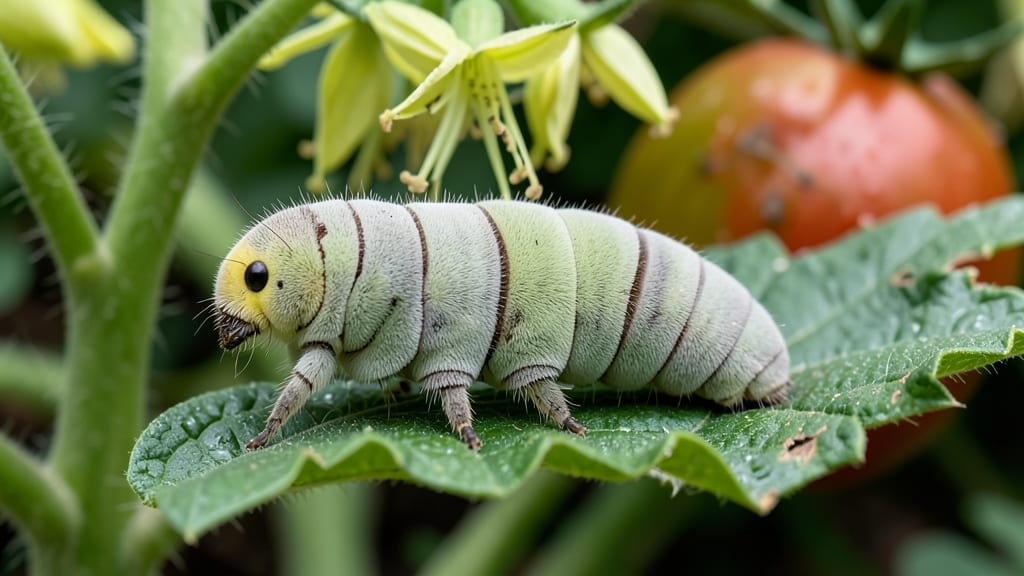
An effective insecticide for tomato worms can save your plants in days—neem oil and soap spray stops them fast—I’ve saved entire harvests with this two-ingredient mix.
The key is timing: apply when caterpillars are small, before they become hornworms, and you’ll see fewer than 5% of your tomatoes lost to ravenous chewing. No more picking off worms by hand all afternoon or watching your plants turn into skeleton leaves overnight.
This solution works because neem oil disrupts their feeding hormones while insecticidal soap suffocates them on contact. You’ll need 1 tablespoon neem oil, 1 tablespoon liquid castile soap, and a quart of water—mix it in a spray bottle and apply at dusk when bees aren’t active.
Reapply every 5-7 days or after rain, and you’ll break the worm lifecycle before it starts. The best part? It’s safe for your plants, pets, and even edible greens growing nearby.
Within 24-48 hours, you’ll notice fewer worms crawling on your plants, and new growth will look healthier. The spray also deters future infestations by masking the tomato plant’s scent—worms can’t find their favorite snack.
Plus, it’s a fraction of the cost of chemical sprays, and you won’t have to worry about residue on your homegrown tomatoes. Just shake well before each use, and keep the bottle in a cool, dark place.
For extra protection, pair this with row covers or handpicking worms in the morning (they’re most sluggish then). If your plants are already heavily damaged, focus on pruning affected leaves and boosting their recovery with a balanced fertilizer.
The goal isn’t just to kill worms—it’s to give your tomatoes the fighting chance they deserve. Let’s get those plants back to thriving.
Root Causes of Tomato Worm Infestations
Tomato worms—those pesky green caterpillars from the Manduca sexta (tomato hornworm) or Spodoptera species—don’t just appear out of nowhere. Their presence is usually a sign of underlying conditions that create the perfect environment for them to thrive. Understanding these causes is the first step in preventing and controlling them effectively.
Tomato plants under stress are more vulnerable to pests, including tomato worms. Here’s why:
- Poor Spacing: When tomato plants are crowded, airflow is restricted, creating damp, shaded conditions that attract pests.
Tomato worms prefer lush, healthy foliage, and overcrowding makes it easier for them to hide and feed undetected. - Nutrient Deficiencies: Plants lacking essential nutrients (like nitrogen, phosphorus, or potassium) produce weaker stems and leaves, making them easier targets.
A quick soil test can reveal imbalances—correcting them with compost or balanced fertilizer strengthens plant defenses. - Water Stress: Both overwatering and underwatering stress plants. Overwatering leads to fungal diseases (like early blight), which weaken the plant and attract pests.
Underwatering causes wilting, reducing the plant’s ability to fend off herbivores like tomato worms.
Actionable Tip: 💡 Space tomato plants 18–24 inches apart and mulch around the base to retain moisture while improving soil health. Avoid wetting foliage during watering to prevent disease.
Tomato worms are part of a natural ecosystem, and their populations are typically kept in check by predators. When these predators are absent, worms multiply unchecked.
- Missing Ladybugs, Lacewings, or Parasitic Wasps: These insects are voracious eaters of tomato worm eggs and larvae.
Pesticides (even broad-spectrum ones) can wipe out these natural allies, creating a vacuum that allows tomato worms to explode in numbers. - Monoculture Gardening: Planting only tomatoes (or other nightshades like peppers and eggplants) in one area removes biodiversity.
Predators need a varied diet to thrive, so a garden with flowers, herbs, and diverse vegetables supports a healthier balance.
Actionable Tip: ✨ Plant companion flowers like dill, marigolds, or basil near tomatoes to attract beneficial insects. Avoid synthetic pesticides and opt for targeted solutions like neem oil or insecticidal soap to preserve the ecosystem.
Tomato worms and their eggs love hiding in garden debris, old plant matter, and weeds. A messy garden provides them with shelter and breeding grounds.
- Last Year’s Plant Residues: Overwintering eggs or larvae can survive in dead plants, stems, or fallen leaves. If not removed, they hatch in spring and infest new tomato plants. - Weeds as Hosts: Some weeds (like nightshade or purslane) can also harbor tomato worm eggs.
These weeds compete with tomatoes for nutrients and provide alternative food sources for larvae. - Unpruned Plants: Dense, unpruned foliage traps moisture and creates hiding spots for pests. Regular pruning improves airflow and makes it easier to spot (and remove) eggs or worms.
Actionable Tip: 🔥 Before planting, clean up garden debris thoroughly—remove old plants, weeds, and mulch from the area. Rotate crops yearly to disrupt the worm’s life cycle.
Tomato worms thrive in warm, humid conditions, which are common in summer gardens. Late plantings can also extend their active season.
- Extended Growing Season: Planting tomatoes too late in the season means they’ll be growing during peak tomato worm activity (usually late summer).
Early-maturing varieties or staggered plantings can help avoid this. - Greenhouse or Tunnel Effects: If tomatoes are grown in greenhouses, high humidity and consistent warmth can accelerate worm reproduction. Proper ventilation and shade cloth can mitigate this.
Actionable Tip: 🌡️ Plant early-season varieties or use row covers to protect young plants. If growing in greenhouses, maintain good airflow and monitor humidity levels to discourage pest activity.
Understanding these causes helps you proactively prevent tomato worm infestations. Once you address the root issues, targeted solutions like neem oil or soap sprays become even more effective!
Quick Fixes for Tomato Worm Damage
Tomato worms—those pesky green caterpillars—can strip your plants bare in days if left unchecked. But don’t panic! With the right approach, you can save your tomatoes and prevent future infestations. Below are practical, step-by-step solutions tailored to the root causes of worm attacks, from early intervention to long-term prevention.
If you spot tiny eggs, chewed leaves, or worms themselves, act fast before the damage spreads.
- 🍳 Handpick Worms (Best for Small Infestations) - When to use: Early-stage outbreaks (fewer than 10 worms per plant). - How to do it: 1. Go hunting at dawn or dusk—worms are sluggish then. 2. Wear gloves and inspect undersides of leaves and fruit.
- Drop them into soapy water (1 tbsp dish soap per gallon) to kill them instantly. - Pro tip: 💡 Check tomato stems and flower clusters—worms love hiding there!
- 🌿 Neem Oil Spray (Organic & Effective)
- When to use: At first sign of eggs or young larvae.
- How to make it:
- Mix 2 tbsp neem oil + 1 tsp mild liquid soap + 1 quart water.
- Spray evenly on tops and bottoms of leaves (avoid direct sun to prevent leaf burn).
- Reapply every 5–7 days for 2–3 weeks.
- Why it works: Disrupts worm feeding and growth while being safe for bees (apply after sunset).
Prevent worms from reaching your plants in the first place with physical defenses.
- 🥘 Floating Row Covers (Best for Prevention) - When to use: Before planting or at the first sign of adult moths (check for white moths flying around). - How to do it: 1. Use lightweight fabric covers (available at garden centers).
- Secure with clips or bricks to keep moths out.
- Remove when flowers appear to allow pollination (then reapply after fruiting starts). - Pro tip: 🌡️ If temps rise above 85°F (29°C), remove covers to avoid heat stress.
- 🔪 DIY Soap Spray (Fast-Kill for Active Worms)
- When to use: For visible worms on leaves or fruit.
- Recipe:
- 1 tbsp castile soap + 1 quart water.
- Spray directly on worms (they’ll drop off within minutes).
- Caution: 🎯 Avoid spraying blooming plants—soap can harm pollinators.
If your plants are already defoliated or worms are everywhere, you’ll need a stronger approach.
| Solution | How to Apply | Frequency | Safety Notes |
|---|---|---|---|
| Bacillus thuringiensis (Bt) | Mix 1 tsp Bt powder + 1 quart water, spray on leaves. | Every 7–10 days (reapply after rain). | Safe for humans/pets; kills only caterpillars. |
| Pyrethrin Spray (Chemical) | Follow label instructions (e.g., PyGanic). | Every 5–7 days (last resort). | Toxic to bees—apply at dusk. |
| Diatomaceous Earth (DE) | Dust lightly on leaves/fruit (avoid windy days). | Reapply after rain. | Non-toxic but harmful to worms by dehydrating them. |
- 🔪 Prune & Destroy Infested Foliage
- Cut off heavily damaged leaves and drop them in a sealed bag (don’t compost!).
- Burn or trash them to prevent moths from laying more eggs.
Stop worms before they start with these easy habits:
- 🌱 Plant Companion Plants
- Basil, marigolds, or nasturtiums repel tomato hornworm moths.
- Interplant with onions or garlic—their scent deters pests.
- 🌙 Disrupt Moth Life Cycles
- Install yellow sticky traps to catch adult moths before they lay eggs.
- Rotate crops—don’t plant tomatoes in the same spot yearly.
- 💡 Early Morning Inspections
- Check plants every 2–3 days for eggs (tiny green clusters on leaves).
- Remove eggs immediately—they hatch in 3–5 days!
- 🍅 Healthy Plants = Strong Defense
- Water deeply at the base (avoid wetting leaves—moths love damp foliage).
- Use balanced fertilizer (too much nitrogen = softer leaves = worm buffet).
Final Thought: 🎯 The key is speed—catch worms early, and you’ll save your harvest without harsh chemicals. Combine neem oil, row covers, and handpicking for the best organic defense!
Frequently asked questions
What’s the fastest way to kill tomato worms already on my plants?
A DIY soap spray works in minutes—mix 1 tablespoon castile soap with 1 quart water and spray directly on worms. They’ll drop off within 5-10 minutes. For immediate results, handpick them at dawn (they’re sluggish then) and drop them into soapy water.
Can I use neem oil on tomato plants with fruit?
Yes, but avoid spraying directly on ripe tomatoes—focus on leaves and stems. Neem oil is safe for edible plants when used as directed, but wait 24 hours before harvesting treated fruit to ensure no residue remains. Apply in the evening to protect bees.
How often should I reapply insecticide for tomato worms?
Reapply every 5-7 days or after heavy rain. The key is consistency—worms lay 200-300 eggs each, so breaking their lifecycle requires repeated treatment. For neem oil or soap sprays, 3 applications usually stop new infestations.
Will tomato worms come back next year if I treat them this year?
Possibly, but you can reduce recurrence by 70% with these steps: clean up garden debris (worms overwinter in dead plants), rotate crops, and plant companion flowers like marigolds to attract predator insects. The moths return yearly, but proper prevention makes them less effective.
Is there a chemical-free way to prevent tomato worms?
Use floating row covers before flowering, plant basil or dill nearby (their scent repels moths), and install yellow sticky traps to catch adult moths. Handpick eggs daily—they’re tiny green clusters on undersides of leaves.