
Vegetables
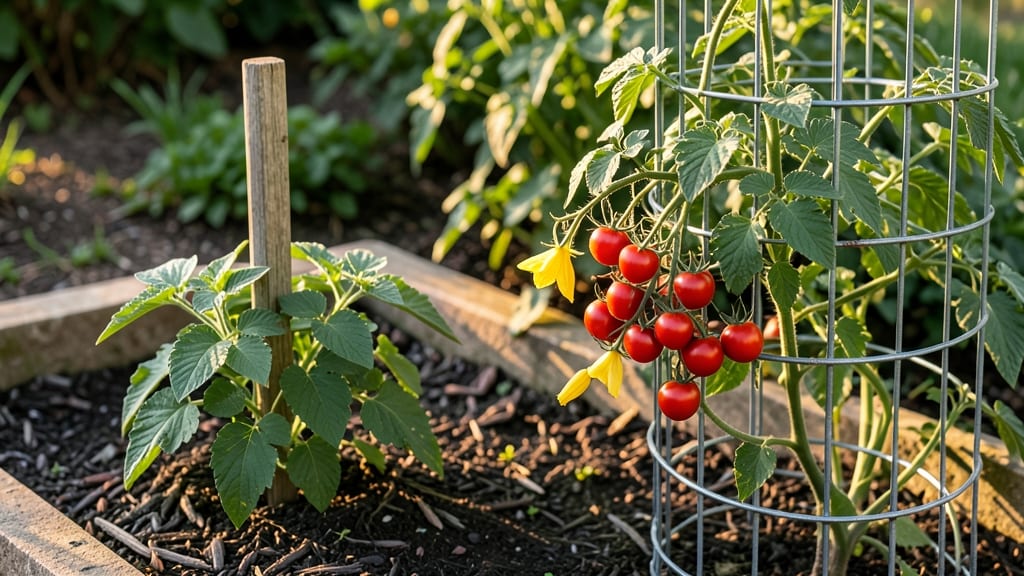
Choosing between determinate and indeterminate Husky cherry tomatoes depends on your garden space and harvest goals, as indeterminate varieties grow continuously with sprawling vines needing support, while determinate types produce all at once in compact bushes.
Indeterminate Husky cherry tomatoes are the classic vine climbers, producing fruit all season long but requiring trellises or cages to manage their 6-10 foot spread. 🌿 Determinate varieties, meanwhile, stay contained under 3 feet tall and finish fruiting in about 60-70 days, making them ideal for small spaces or container gardens.
The key difference? Indeterminate types reward patient gardeners with continuous harvests, while determinate varieties offer a single big yield—perfect for canning or freezing.
For space planning, I recommend indeterminate varieties if you have vertical support structures, as they'll produce more over time. Determinate types, however, are easier for beginners due to their low-maintenance growth habit and predictable fruiting cycle.
Both types thrive in similar conditions but serve different gardening goals—whether you prioritize volume or convenience.
💡 In This Article
- How Growth Habits Differ Between Determinate and Indeterminate Husky Cherry Tomatoes
- Best Space-Saving Techniques for Indeterminate Husky Cherry Tomatoes
How growth habits differ between determinate and indeterminate Husky cherry tomatoes
Indeterminate Husky cherry tomatoes grow as sprawling vines that can reach 6-10 feet tall, producing fruit continuously throughout the growing season. This growth habit stems from their genetic programming to keep flowering and fruiting until frost, unlike determinate types that stop after their main stem produces fruit.
The vines grow indefinitely, which is why they need strong support structures like trellises or stakes to prevent them from sprawling across the ground.
The key difference lies in their fruiting patterns: indeterminate varieties produce small clusters of tomatoes along the vine over 80-100 days, while determinate types create a single flush of fruit in 60-70 days.
Determinate plants have a main stem that stops growing after flowering, causing them to form a compact bush shape. This makes them ideal for gardeners who prefer a tidy, low-maintenance plant that doesn't require constant pruning or staking.
For yield potential, indeterminate Husky cherry tomatoes win with continuous production, but determinate types offer a concentrated harvest perfect for canning or freezing. The trade-off?
Indeterminate varieties require more space and maintenance—like regular pruning to remove suckers (side shoots) and tying vines to supports—while determinate plants need minimal intervention. 🌱 The choice comes down to whether you prioritize prolonged harvests or a single, abundant yield.
Another critical factor is disease susceptibility. Indeterminate vines, with their extended growth, may face higher risks of fungal diseases like blight if not properly supported for airflow. Determinate varieties, being more compact, often have better air circulation around the fruit, reducing disease pressure.
This makes them a safer bet for humid climates or areas prone to fungal issues.
Consider your garden's layout too. Indeterminate Husky cherry tomatoes thrive in vertical gardens, along fences, or in large containers with trellises, while determinate types excel in small plots, raised beds, or even hanging baskets.
The indeterminate's sprawling nature can quickly overtake a small space, whereas determinate plants stay neatly contained—ideal for urban gardens or balcony setups.
If you're growing for fresh eating, indeterminate types offer the advantage of continuous flavor from early summer to frost, while determinate varieties provide a peak-season abundance that's easier to manage.
For example, an indeterminate plant might yield 20-30 pounds over the season, whereas a determinate plant could produce 10-15 pounds all at once. 🍅