
Vegetables
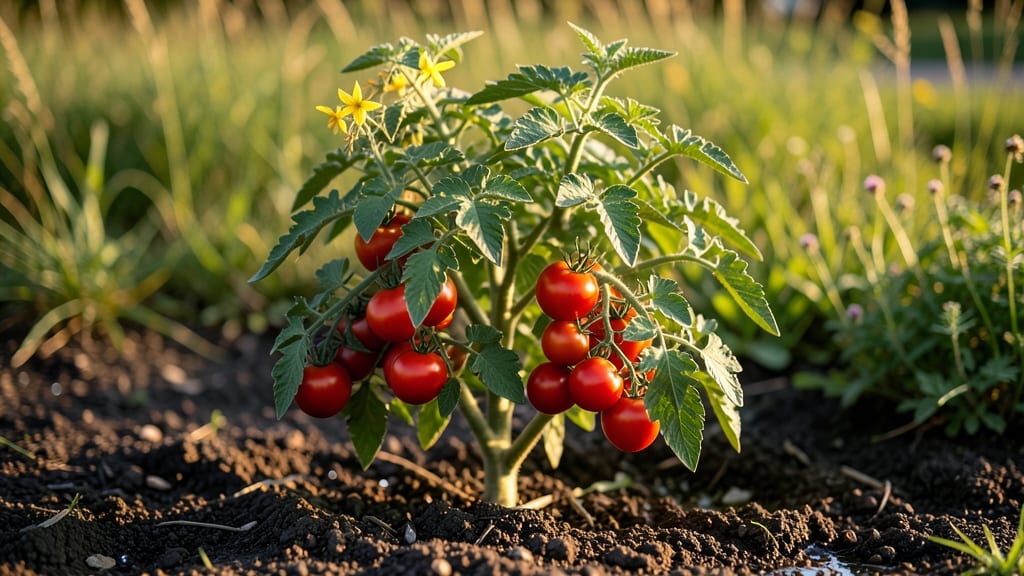
Sweet 100 tomatoes come as either determinate (bush-type) or indeterminate (vining) varieties, with determinate plants delivering a single large harvest while indeterminate types produce fruit continuously over months. Your choice should align with your garden space, sunlight access, and preferred harvesting schedule.
Determinate varieties stop growing once they set fruit, making them perfect for containers or small spaces where you want a quick, concentrated harvest. 🌱 These plants typically reach 3-4 feet tall and produce all their tomatoes within a 2-3 week window, ideal for canning or preserving.
Indeterminate types, on the other hand, keep growing and fruiting until frost, often reaching 6-10 feet and requiring sturdy trellises or cages. The trade-off? You'll enjoy fresh tomatoes all season long, but with smaller yields per plant compared to determinate types.
For gardeners with limited space, determinate varieties like 'Sweet 100' bush types are excellent choices—they mature faster and don't need extensive support. If you have vertical space and want a steady supply, indeterminate varieties will reward you with continuous production.
Just remember: indeterminate plants need regular pruning and support to prevent disease and maximize yield.
💡 In This Article
- How Determinate vs Indeterminate Sweet 100 Tomatoes Grow Differently
- Best Sweet 100 Tomato Varieties by Growth Type and Gardening Needs
How determinate vs indeterminate Sweet 100 tomatoes grow differently
The fundamental difference lies in their stem structure and hormonal responses. Determinate varieties have a self-limiting growth habit, where the main stem stops growing after reaching a certain height (typically 3-4 feet) and produces a cluster of flowers at the terminal bud.
This triggers fruit production that ripens all at once, creating that classic 2-3 week harvest window. The plant's apical dominance—where the top bud suppresses side growth—means energy focuses entirely on fruit development rather than vertical expansion.
Indeterminate types, however, lack this growth limitation. Their stems continue growing indefinitely until frost, producing new leaves, flowers, and fruit along the way. This continuous growth creates a staggered harvest over months, with each new flower cluster developing into tomatoes at different stages.
The key difference is their hormonal response: indeterminate plants don't produce that terminal flower cluster, so they keep sending out new shoots. This requires regular pruning (typically removing suckers) to direct energy toward fruit production rather than excessive foliage.
The flowering patterns also differ dramatically. Determinate plants concentrate their energy into one massive flowering event, producing 6-12 trusses (clusters) of fruit simultaneously. Indeterminate varieties, meanwhile, produce flowers continuously along the stem, with new blooms appearing every 3-5 days during the growing season.
This explains why indeterminate plants can yield 50-100+ tomatoes per season—but spread out—while determinate varieties might produce 20-30 tomatoes all at once.
Support needs vary drastically too. Determinate plants' compact structure makes them ideal for cages or stakes, as their weight is distributed evenly. Indeterminate varieties, however, can become top-heavy, requiring strong trellises or stakes (at least 6 feet tall) to prevent stem breakage.
The vining habit also affects disease susceptibility: indeterminate plants' dense foliage can trap moisture, increasing risk of blight and fungal diseases if not properly pruned and spaced.
Light exposure plays a critical role in their growth patterns. Determinate varieties thrive in full sun (6-8 hours/day) but don't require extended daylight since their growth cycle is fixed. Indeterminate plants, however, benefit from maximum sunlight exposure to support their continuous growth.
In cooler climates, their extended season means they need at least 10-12 hours of sunlight daily to maintain vigorous production until frost.
What most gardeners don't realize is how these growth habits affect flavor development. Determinate plants' concentrated harvest means all tomatoes ripen under similar conditions, often resulting in more uniform sweetness and acidity levels.
Indeterminate varieties, with their staggered ripening, can produce tomatoes with varying flavor profiles depending on when they ripen—early season fruits may be less sweet than those ripening in peak summer heat.
For container gardening, determinate varieties shine with their compact size, while indeterminate types typically need at least 5-gallon containers to accommodate their root systems. The choice comes down to whether you prefer a single abundant harvest or a continuous supply throughout the season—each with distinct gardening requirements and rewards. 🌿