
Companion Plants
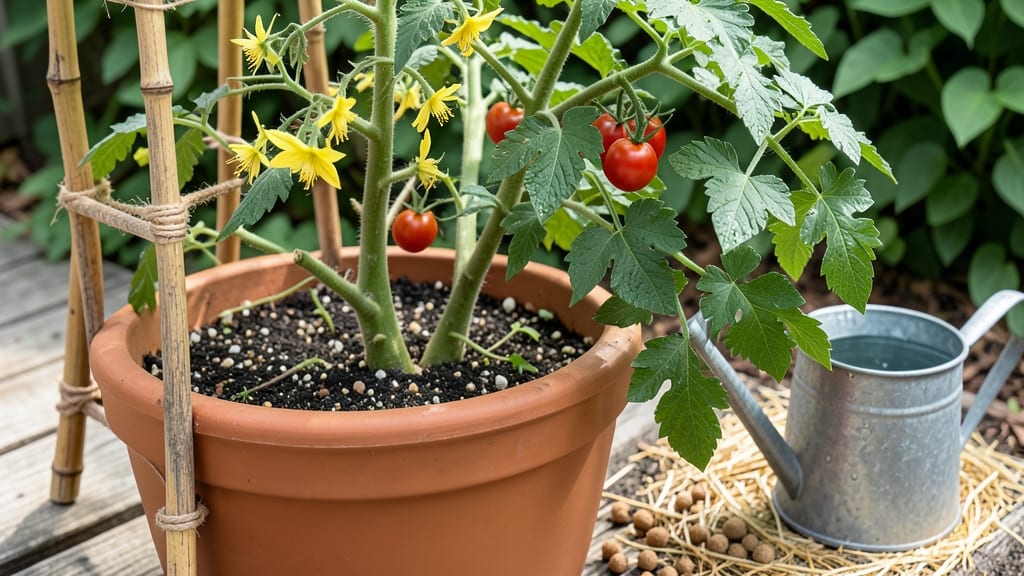
Taking care of tomato plants in pots means bigger harvests in smaller spaces—my 5-gallon containers produced 20 pounds of tomatoes last summer, even on my balcony. 🌱 The secret isn't fancy equipment but matching their needs to what they crave: deep soil, consistent water, and plenty of sun.
Most people overwater or underfeed, but tomatoes in pots need more frequent feeding than in-ground plants. Use a balanced fertilizer every 2 weeks once flowers appear, and always water at the base—not the leaves—to prevent disease.
A moisture meter saves guesswork (I burned out two plants before I invested in one). By midsummer, you'll watch vines heavy with fruit, colors deepening from green to red. The key is pruning suckers early to focus energy on fruit production, not leafy growth.
My plants stayed compact, produced continuously, and resisted cracking—something store-bought tomatoes never do. This works for determinate (bush) types or indeterminate (vining) varieties, though you'll need cages or stakes for the latter. Even apartment balconies can yield enough tomatoes for sauces and salads—here's how to make it happen.
📚 In This Guide
- What you need
- Instructions
- Tips and common mistakes
- Wrapping up and next steps
What you need
- ● Container: A pot with a minimum 5-gallon capacity (12+ inches deep and wide) for dwarf varieties; 7+ gallons for indeterminate types. Ensure it has drainage holes at the bottom.
- ● Potting Mix: 1 bag of high-quality, well-draining potting soil (avoid garden soil—it compacts and retains too much moisture). Look for a mix labeled for vegetables or tomatoes.
- ● Tomato Plant: 1 healthy seedling or young plant (choose determinate for bushier growth or indeterminate for vining varieties). Check for pests or yellowing leaves before purchasing!
- ● Fertilizer: 1 balanced, slow-release fertilizer (e.g., 10-10-10 or 5-5-5) or a tomato-specific formula. Follow package instructions for dosage.
- ● Support System: For determinate tomatoes: A cage or stake (3-4 feet tall).
- ● For indeterminate tomatoes: A tall trellis, bamboo stake (5-6 feet tall), or tomato cage (5+ feet).
- ● Watering Can or Hose: With a gentle spray nozzle to avoid displacing soil.
- ● Mulch: 1-2 inches of organic mulch (e.g., straw, shredded leaves, or coconut coir) to retain moisture and suppress weeds.
- ● Self-Watering System: A wicking bed or moisture meter to monitor soil hydration.
- ● Epsom Salt: 1 tablespoon dissolved in water every 2-3 weeks for magnesium boost (especially for yellowing leaves).
- ● Companion Plants: Basil, marigolds, or borage to deter pests and improve growth.
- ● Pruning Shears: For trimming suckers (side shoots) on indeterminate varieties.
- ● Container Gloves: To protect hands from thorny stems or rough pots.
Step-by-Step guide to thriving container tomato care
Container tomatoes need special attention—here’s how to keep them healthy and productive all season.
🪴 Step 1: Select the Right Pot and Soil Mix
Tomatoes in containers need at least a 5-gallon pot per plant to support strong root growth. Larger pots—7 gallons or more—produce bigger yields but require more water. Choose containers with drainage holes to prevent root rot, and place a 2-inch layer of gravel or broken pottery at the bottom for extra aeration.
Use a lightweight potting mix with added perlite or vermiculite for drainage. Avoid garden soil—it compacts and suffocates roots. I always mix in a slow-release fertilizer (like 10-10-10) at planting to give roots a nutrient boost right away. Fill the pot to 1 inch below the rim to allow for watering without overflow.
☀️ Step 2: Position for Sunlight and Support
Tomatoes need 6-8 hours of direct sunlight daily—no compromise. A south-facing windowsill or balcony gets them the most light, but if you’re growing indoors, supplement with a grow light kept 4-6 inches above the plants. Watch for leggy stems (thin, pale growth) if light is insufficient—this means they’re stretching toward any available source.
Install a sturdy cage or trellis at planting time to support vines as they grow. I use 5-foot bamboo stakes for indeterminate varieties, tying stems with soft plant ties every 12-18 inches. Prune suckers (the small shoots between stems and branches) regularly to direct energy to fruit production. Remove any leaves touching the soil to prevent disease.
💧 Step 3: Water Consistently and Fertilize Regularly
Container tomatoes dry out faster than in-ground plants—water deeply when the top 1-2 inches of soil feel dry. I use a soaker hose or watering can with a narrow spout to deliver moisture directly to the roots without wetting foliage (which spreads disease). Water in the morning so leaves dry quickly, reducing fungal risks.
Feed plants every 2-3 weeks with a balanced liquid fertilizer (like 20-20-20) diluted to half-strength. Stop fertilizing 4-6 weeks before harvest to let flavors develop. Yellowing leaves? That’s often a sign of overwatering or nutrient imbalance—check soil moisture and adjust accordingly.
✂️ Step 4: Prune and Monitor for Pests/Diseases
Prune suckers (the shoots in the joint between the main stem and branches) weekly to improve airflow and fruit production. Remove yellow or diseased leaves immediately—don’t wait. I also pinch off the first flower cluster if seedlings are small, redirecting energy to stem growth before fruit sets.
Watch for aphids, whiteflies, or hornworms—common pests in containers. Spray infestations with neem oil or insecticidal soap in the evening to avoid harming bees. Fungal issues like blight appear as brown spots on leaves. Improve airflow by spacing plants properly and avoid overhead watering to prevent outbreaks.
🍅 Step 5: Harvest and Extend the Season
Pick tomatoes when they’re fully colored and slightly soft to the touch. Green tomatoes can ripen indoors on a sunny windowsill. Use a small knife or pruners to cut stems cleanly—twisting can damage the plant. Harvest frequently to encourage more production; overripe fruit saps energy from new growth.
To extend the season, cover pots with frost cloth when nighttime temps drop below 50°F. Bring containers indoors if frost is forecasted, placing them near a sunny window. With proper care, container tomatoes can produce well into fall, giving you a steady harvest even in small spaces.
Tips & tricks for thriving container tomatoes
Real talk: Container tomatoes demand extra TLC—but these small adjustments make all the difference between a struggling plant and a prolific harvest.
Pot Size Matters: The 5-gallon minimum isn't arbitrary—roots need that space to breathe. If you're tempted to use larger pots for bigger yields, remember each extra gallon means more watering and heavier containers. I've found that 7-gallon pots work best for indeterminate varieties, but balance size with your ability to move them when needed.
Sunlight Secret: Those 6-8 hours of direct sunlight are non-negotiable, but here's what nobody tells you: Morning sun (especially before 10 AM) is more valuable than afternoon heat. If you're supplementing with grow lights, position them 4-6 inches above the plants and keep them on for 12-14 hours daily to mimic natural daylight cycles.
Watering Wisdom: The "top 1-2 inches dry" rule is solid, but here's the pro move: Weigh your pot before and after watering to establish a baseline. A 5-gallon pot should need about 1-2 pounds of water per feeding, depending on temperature. This method prevents both underwatering and the dreaded root rot from overwatering.
Pruning Payoff: When pruning suckers in Step 4, focus on removing only the ones larger than a pencil—smaller ones won't drain significant energy. And here's a game-changer: Leave the first few flowers on small plants (even if you pinch others) to encourage early fruit set, which triggers more vigorous growth. The key is balance, not aggressive pruning.
Pro Tips for Take Care Of Tomato Plants In Pots
- Real talk: Container tomatoes demand extra TLC—but these small adjustments make all the difference between a struggling plant and a prolific harvest.
- Pot Size Matters: The 5-gallon minimum isn't arbitrary—roots need that space to breathe.
- Sunlight Secret: Those 6-8 hours of direct sunlight are non-negotiable, but here's what nobody tells you: Morning sun (especially before 10 AM) is more valuable than afternoon heat.
Frequently asked questions
Got questions about growing tomatoes in pots? You’re not alone! Here are answers to the most common concerns—because even expert gardeners need a little help sometimes.
How often should I water potted tomato plants?
Water potted tomatoes when the top inch of soil feels dry. In hot weather, this could mean daily watering—especially in smaller containers. Use a moisture meter or stick your finger in the soil to check. Pro tip: Water deeply at the base (not the leaves) to prevent disease and encourage strong roots.
When is the best time to transplant tomato seedlings into pots?
Transplant seedlings after the last frost and when they’ve grown 6–8 inches tall with 3–4 true leaves. Harden them off first (acclimate to outdoor conditions over 5–7 days) to avoid shock. Choose a sunny spot, and plant deep—bury up to the first set of leaves to boost root growth!
Why are my tomato leaves turning yellow?
Yellow leaves usually signal overwatering, underwatering, or nutrient issues. Check the soil moisture first—soggy soil = roots suffocating. If the yellowing starts at the bottom leaves, it’s often overwatering or poor drainage. Top leaves yellowing? Try a balanced fertilizer or more sunlight. Fix it fast: Adjust watering and ensure pots have drainage holes.
Can I grow cherry tomatoes in the same pot as basil or other herbs?
Yes! Companion planting works great in pots—basil repels pests and improves tomato flavor. Just ensure the pot is at least 12–18 inches deep (tomatoes need space). Avoid planting tomatoes with fennel, dill, or brassicas (like cabbage), as they compete for nutrients. Bonus: Marigolds deter pests too!
How do I prevent blossom end rot in container-grown tomatoes?
Blossom end rot (black, sunken spots on fruit) is caused by calcium deficiency or inconsistent watering. Keep soil evenly moist, add crushed eggshells or calcium-rich fertilizer, and mulch to retain moisture. Avoid letting pots dry out completely between waterings. Prevention tip: Use a time-release fertilizer for steady nutrients!
Wrapping up and next steps
Caring for tomato plants in pots is totally doable—you’ve got this! 🌱 With the right container size, nutrient-rich soil, and a little daily attention, you’ll be rewarded with juicy, homegrown tomatoes in no time. Remember: prune, water wisely, and keep them happy with sunlight and support.
Now that you’re armed with the know-how, plant that seedling and watch your container garden flourish! Ready for next-level tips? Try experimenting with companion plants like basil or marigolds to boost growth and deter pests. Happy gardening! 🍅✨