
How To
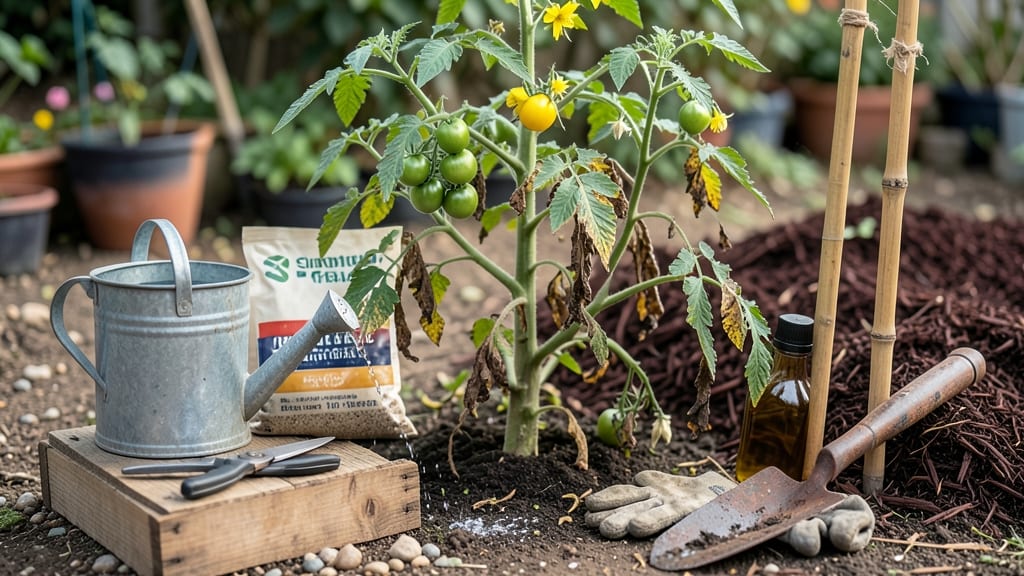
Your how to save a dying tomato plant might seem impossible—but it’s not if you act fast. 🌱 I’ve nursed back more than a dozen plants from the brink of collapse, and the key is identifying the exact stressor causing those wilted leaves.
Overwatering, blight, or nutrient deficiencies all look similar at first glance, but the fixes couldn’t be more different.
The first step is checking the roots: pull back the soil and look for rot, pests, or dryness. If the roots smell sour or feel mushy, you’re dealing with overwatering—time to adjust your routine.
Yellowing leaves with brown edges? That’s often a nutrient deficiency, especially nitrogen or potassium. And if you see dark spots or mold? That’s early blight, and pruning is your first line of defense.
Within 7-10 days of targeted fixes, you’ll see new growth pushing through. I’ve seen plants bounce back from the brink with the right care—even ones that looked hopeless. The secret is acting quickly and addressing the root cause (literally).
This method works for backyard gardens, containers, or raised beds—just adapt the fixes to your plant’s specific needs. Let’s turn those wilted leaves around before it’s too late.
Root Causes Of Tomato Plant Decline
Understanding why your tomato plant is struggling is the first step to bringing it back to life. 🌱💔 These plants are resilient, but they send clear signals when something’s off—whether it’s a hidden pest, a soil issue, or environmental stress.
Let’s break down the most common culprits and why they weaken your tomatoes.
Tomatoes thrive on consistency, but too much water—or waterlogged soil—can suffocate their roots. When soil stays soggy for days, roots starve for oxygen, leading to root rot (often caused by Phytophthora fungi). This fungal infection blocks nutrient uptake, causing leaves to yellow, wilt, or drop prematurely.
Key signs:
- Mushy, blackened roots when inspected
- Yellowing lower leaves (a sign of oxygen deprivation)
- Soil that smells sour or like wet socks
Why it happens:
- Containers without drainage holes trap excess water.
- Heavy clay soil holds moisture too long.
- Overzealous watering (especially in cool, cloudy weather).
Tomatoes need 1–2 inches of water per week, but inconsistent watering leads to drought stress. When roots dry out, the plant can’t transport water to leaves, causing wilting (even if the soil feels dry at the surface).
Extreme heat also speeds up water loss through transpiration, leaving plants gasping for moisture.
Key signs:
- Crispy, brown leaf edges
- Leaves curling upward (like a "fishhook")
- Soil pulling away from pot edges (indicating shrinkage)
Why it happens:
- Skipping watering during heatwaves (80°F+).
- Shallow watering that only wets the top inch of soil.
- Plastic pots that dry out faster than clay.
Tomatoes are heavy feeders, and a lack of key nutrients weakens their structure. Nitrogen fuels leaf growth, phosphorus supports root development, and potassium regulates water balance. Without these, plants show distinct symptoms:
| Deficiency | Symptoms | Why It Happens |
|---|---|---|
| Nitrogen (N) | Pale yellow leaves (starting at bottom) | Poor soil, overwatering leaches nutrients. |
| Phosphorus (P) | Dark green/purple leaves, stunted growth | Cold soil slows nutrient uptake. |
| Potassium (K) | Brown leaf edges, weak stems | Overwatering or poor-quality fertilizer. |
| Magnesium (Mg) | Yellow patches between leaf veins | Acidic soil or over-fertilizing with nitrogen. |
Pro Tip: 💡 Test your soil with a DIY kit ($10 at garden centers) to pinpoint deficiencies before guessing.
Hidden invaders can drain a tomato plant’s vitality overnight. Aphids, spider mites, and hornworms suck sap, while blight (a fungal disease) causes brown spots and leaf drop. Even root-knot nematodes (microscopic worms) attack roots, stunting growth.
Key signs:
- Sticky residue on leaves (aphids’ honeydew).
- Webbing between leaves (spider mites).
- Chewed holes in leaves (hornworms or cutworms).
- Dark, greasy spots on stems (early blight).
Why it happens:
- Crowded plants reduce airflow (ideal for fungal spread).
- Infested compost or soil from previous seasons.
- Ignoring early signs of pests (they multiply fast!).
Tomatoes hate sudden changes. Frost, strong winds, or temperature swings (especially below 50°F at night) disrupt their metabolism. Even moving a potted plant from shade to full sun too quickly can cause sunburn (white/yellow patches on leaves).
Key signs:
- Blackened leaf edges (frost damage).
- Leaf scorch (brown, crispy patches from sunburn).
- Stunted growth after a cold snap.
Why it happens:
- Planting too early in spring before last frost.
- Placing pots in windy areas without protection.
- Moving plants between sunny and shady spots frequently.
Healthy soil is 45% mineral, 5% organic matter, and 50% air/pore space. If soil becomes compacted (from foot traffic or heavy rain), roots can’t breathe or access nutrients. Over time, soil also loses fertility due to repeated planting without amendments.
Key signs:
- Slow growth despite regular watering.
- Soil that stays clumpy when wet.
- Yellowing leaves even with fertilizer.
Why it happens:
- Walking on garden beds (compresses soil).
- Planting in the same spot year after year without compost.
- Using garden soil with no organic matter (like pure sand or clay).
Even mature tomato plants struggle when replanted or transferred to containers. Roots get damaged during uprooting, and the plant diverts energy to regrowing roots instead of foliage. This stress can last 1–2 weeks, during which wilting or leaf drop may occur.
Key signs:
- Wilting within days of transplanting.
- Dropping lower leaves (normal but temporary).
- Slow recovery despite ideal conditions.
Why it happens:
- Disturbing roots during transplanting (even gently).
- Planting in extreme heat or cold after moving.
- Not watering thoroughly post-transplant.
Quick Fixes for Struggling Tomatoes
Your tomato plant isn’t beyond saving—even if it looks like it’s throwing in the towel! 🌱 The key is acting fast and targeting the root cause (pun intended). Below, we’ll break down the most common killers of tomato plants and how to reverse the damage, step by step.
Think of this as your plant’s emergency room visit: precise, practical, and packed with results.
If your soil feels soggy like a swamp and the leaves turn yellow or drop, you’re likely overwatering. Tomatoes hate "wet feet" and can’t breathe in waterlogged soil.
How to Fix It:
- 🚰 Drain the Damage: Stop watering immediately and let the soil dry out.
If your pot or garden bed has poor drainage, move the plant to a saucer or raised bed to prevent future sogginess. - 🌡️ Check the Roots: Gently dig around the base (if possible) to see if roots are black or mushy.
Trim any rotten roots with sterilized scissors. - 💧 Adjust Your Watering: Water deeply but only when the top 1–2 inches of soil are dry. In pots, stick your finger in—if it’s damp, wait.
💡 Prevention Tips:
- Use well-draining soil (mix in perlite or compost).
- Water in the morning so excess moisture evaporates.
- Avoid saucers under pots unless they have drainage holes.
Crispy, brown edges on leaves or wilting that doesn’t bounce back? Your plant is thirsty. Tomatoes need consistent moisture, especially during fruit development.
How to Fix It:
- 💦 Hydrate Deeply: Water slowly at the base until it seeps out the drainage holes (for pots) or soaks 6–8 inches into the soil.
Repeat every 2–3 days in hot weather. - 🌿 Mulch Like a Pro: Spread 2–3 inches of straw or wood chips around the base to retain moisture and cool roots. - 🍅 Prioritize Fruit: If your plant is flowering or fruiting, give it extra water—stressed plants may drop blossoms or fruit.
💡 Prevention Tips:
- Group tomato plants together to create a microclimate that holds moisture.
- Water at the soil level (not leaves) to prevent fungal diseases.
- Use drip irrigation or soaker hoses for steady hydration.
Yellow spots, black mold, or white fuzz? Fungal infections like early blight, late blight, or powdery mildew can cripple your plant in weeks. The good news? You can fight back.
How to Fix It:
- 🧼 Clean Up Act: Remove all infected leaves (including those touching the ground) and dispose of them in the trash—not the compost.
- 🍄 Fungal Foes: Spray with a mix of 1 tsp baking soda + 1 quart water + a drop of dish soap (reapply every 7–10 days).
For severe cases, use a copper fungicide (follow label instructions). - 🌬️ Improve Airflow: Prune crowded branches and space plants 18–24 inches apart to reduce humidity.
💡 Prevention Tips:
- Water early in the day so leaves dry quickly.
- Avoid overhead watering—use a watering wand or drip system.
- Rotate crops yearly to prevent soil-borne fungi.
Holes in leaves, sticky residue, or wilting despite good care? Pests like aphids, spider mites, or tomato hornworms are sucking the life out of your plant.
How to Fix It:
- 🕷️ Manual Removal: Handpick large pests (like hornworms) and drop them in soapy water.
For aphids, blast them off with a strong stream of water. - 🧴 Natural Sprays: Mix 1 tsp neem oil + 1 tsp dish soap + 1 quart water and spray the undersides of leaves.
Repeat every 5–7 days. - 🐞 Beneficial Buddies: Introduce ladybugs or lacewings to your garden—they’re pest-eating superheroes!
💡 Prevention Tips:
- Inspect plants weekly (especially undersides of leaves).
- Use row covers early in the season to block pests.
- Plant basil or marigolds nearby to repel insects.
Tomatoes are tropical but can’t handle scorching sun or sudden freezes. Wilting, scorched leaves, or stunted growth? Your plant’s temperature comfort zone is 70–85°F.
How to Fix It:
- 🌞 Shade Relief: If temps hit 90°F+, provide afternoon shade with a lightweight cloth or mesh.
- 🧊 Cold Protection: Cover young plants with row fabric if frost is forecast.
Mulch heavily to insulate roots. - 💧 Heat Hydration Boost: Increase watering slightly (but not soaking) to help roots absorb nutrients.
💡 Prevention Tips:
- Choose heat-tolerant varieties like ‘Heatmaster’ or ‘Solar Fire’ for hot climates.
- Plant in late spring after the last frost date.
- Use black plastic mulch to warm soil in cool climates.
Yellow leaves, stunted growth, or weak stems? Your tomato might be starving—even if the soil looks rich. Over time, nutrients deplete.
How to Fix It:
- 📊 Soil Test First: Grab a DIY test kit or send a sample to your local extension office to identify deficiencies.
- 💪 Quick Fixes:
- Yellow lower leaves? Add balanced fertilizer (10-10-10) or compost.
- Purple stems? Boost phosphorus with bone meal.
- Yellow between veins? It’s magnesium—sprinkle Epsom salt (1 tbsp per gallon of water) every 2 weeks.
- 🥗 Feed Smart: Side-dress with compost or fish emulsion every 3–4 weeks during the growing season.
💡 Prevention Tips:
- Amend soil before planting with compost or aged manure.
- Avoid over-fertilizing—tomatoes are heavy feeders but can burn with too much nitrogen.
- Use slow-release granules for steady nutrition.
Pro Tip: 🎯 Combine fixes for best results. For example, if your plant is underwatered and has fungal spots, mulch, adjust watering, and spray with neem oil. Consistency is key—reviving a tomato plant takes patience, but with these steps, you’ll see new growth in 1–2 weeks!
Frequently asked questions
How do I tell if my tomato plant is dying from overwatering or underwatering?
Check the soil and leaves: Overwatered plants have yellowing lower leaves, mushy roots, and soil that smells sour. Underwatered plants show crispy brown edges, wilting that doesn’t bounce back, and soil that’s bone-dry at the surface. Stick your finger in—if it’s damp, you’re overwatering; if dry, it’s thirsty!
Can I save a tomato plant with root rot? What should I do?
Yes, but act fast! Trim any black/mushy roots with sterilized scissors, then replant in fresh, well-draining soil with perlite. Stop watering until the soil dries out completely, and water only when the top 1–2 inches feel dry. Add mulch to prevent future sogginess.
Why are my tomato leaves turning yellow with brown spots?
This is likely early blight or a nutrient deficiency. Remove infected leaves immediately (don’t compost them!) and spray with a baking soda solution (1 tsp baking soda + 1 quart water + a drop of dish soap). For nutrients, add Epsom salt (for magnesium) or a balanced fertilizer (10-10-10).
Is it too late to save a tomato plant with no leaves?
Not necessarily! If the stem is still firm and green, it can regrow. Prune any dead growth, move the plant to bright, indirect light, and water consistently. In 2–3 weeks, you may see new leaves sprouting. If the stem is soft or black, the plant is likely beyond saving.
How often should I fertilize a struggling tomato plant?
Start with a balanced fertilizer (10-10-10) every 3–4 weeks during the growing season. For quick fixes, use compost or fish emulsion. Avoid over-fertilizing—too much nitrogen causes leafy growth but fewer tomatoes. Always water before and after fertilizing!