
Companion Plants
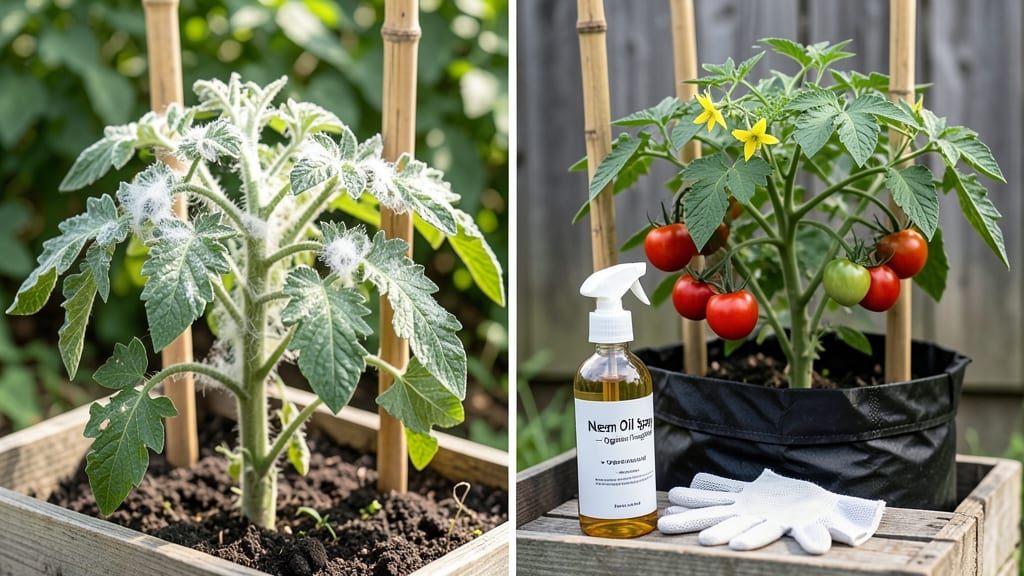
That white fuzz on your tomato plants isn’t just unsightly—it’s stealing your harvest. 🌱 I’ve watched powdery mildew turn lush vines into skeletal shadows, but I’ve also learned how to stop it in its tracks. The key? Acting fast with the right mix of prevention and treatment.
Most gardeners blame overwatering or bad luck, but powdery mildew thrives on humidity and crowded plants. My first mistake was ignoring it until the leaves looked like dusted with flour—by then, it was too late. Now, I check undersides of leaves weekly and prune for airflow.
A simple spray of neem oil or baking soda mix can reverse early stages within 3 days. You’ll see new growth pushing through within a week, and the plants will bounce back stronger.
The secret is consistency: keep leaves dry, space plants properly, and treat at the first sign of fuzz. No more lost tomatoes—just vibrant, productive vines.
Between you and me, the worst part isn’t the fuzz—it’s how fast it spreads. I’ve seen it jump from tomatoes to peppers in a single watering session. That’s why I now keep a spray bottle of diluted milk (yes, milk!) handy—it’s a cheap, organic shield against future outbreaks.
The first time I tried it, my plants stayed fuzz-free all season.
This works for backyard gardens, containers, or even those towering cages. The only difference is scale: bigger plants need more spray, but the principle stays the same. Start with prevention, then hit it hard at the first sign. Your tomatoes will thank you with bigger, sweeter fruit by harvest time.
The Real Culprits Behind Fuzzy Tomato Leaves
That unsightly white fuzz creeping across your tomato plant isn’t just a cosmetic issue—it’s a fungal infection called powdery mildew (Erysiphe cichoracearum or Oidium neolycopersici).
Understanding the root causes helps you tackle it fast and keep your plants thriving. Here’s why this pesky problem strikes, broken down by the most common triggers:
Powdery mildew thrives in stagnant, humid air—think of it as the fungal equivalent of a sauna. When tomato plants are crowded or shaded, moisture lingers on leaves, creating the perfect breeding ground for spores. Here’s why:
- Dense foliage: Overgrown or bushy tomato plants block airflow, trapping humidity near leaves. Tomatoes need space! Prune suckers and leaves touching the soil to improve ventilation.
- High humidity (70%+): Morning dew or afternoon watering without drying time keeps leaves damp for hours. Mildew spores germinate in 6–12 hours of wetness.
- Shade or poor sunlight: Weak light slows leaf drying. Aim for 6–8 hours of direct sun daily—powdery mildew loves shady spots.
💡 Pro Tip: Use a fan on low for 10–15 minutes daily to mimic natural wind and dry leaves faster. Just avoid blasting them directly!
Watering from above isn’t just inefficient—it’s a powdery mildew invitation. Here’s how it happens:
- Spores splash onto leaves: Soil-borne spores hitch a ride on water droplets, landing on foliage where they germinate.
- Prolonged leaf wetness: Unlike blight, powdery mildew doesn’t need standing water, but even light misting keeps spores active.
- Morning vs. evening watering: Watering in the evening leaves leaves wet overnight, while morning watering gives them time to dry.
🔥 Fix It: Switch to drip irrigation or soaker hoses to water at the base. If you must hand-water, aim for the soil and avoid the leaves!
Stressed tomato plants are weaker defenders against fungal attacks. Powdery mildew often strikes when:
- Nitrogen deficiency: Yellowing leaves (chlorosis) signal weak growth. While nitrogen fuels foliage, too little makes plants vulnerable. Balance with phosphorus (P) and potassium (K) for resilience.
- Overcrowded plants: Competing for light and nutrients stresses tomatoes, slowing recovery. Space plants 18–24 inches apart.
- Root-bound or poor drainage: Waterlogged roots starve leaves of nutrients. Use well-draining soil and containers with drainage holes.
✨ Boost Defenses: Feed with a balanced 10-10-10 fertilizer or compost tea to strengthen plant immunity. Avoid high-nitrogen fertilizers late in the season.
Powdery mildew loves moderate temperatures (60–80°F)—too hot or too cold can slow it down, but not always. Here’s the science:
- Cool nights + warm days: Ideal for spore germination. Mildew peaks in spring and fall when temps fluctuate.
- Greenhouse or indoor grows: Controlled environments with high humidity and poor airflow are hotspots for outbreaks.
- Sudden temperature drops: Stress weakens plants, making them susceptible even if humidity is low.
🌡️ Climate Hack: In humid climates, mulch with straw to keep soil temps stable and reduce evening humidity spikes. Ventilate greenhouses daily!
While some plants repel mildew (like marigolds or garlic), others can worsen the problem by:
- Shading tomatoes: Tall plants (e.g., sunflowers) block sunlight, increasing humidity near leaves.
- Attracting pests: Aphids or whiteflies (common on basil or fennel) damage leaves, creating entry points for mildew.
- Competing for nutrients: Heavy feeders like corn or squash can stress tomatoes, weakening their defenses.
🎯 Smart Pairings: Stick to tomato-friendly companions like:
- Basil (repels pests)
- Oregano (antifungal properties)
- Nasturtiums (improve airflow)
Quick Fixes for Fluffy Tomato Plant Woes
If you’ve spotted that unsightly white fuzz creeping across your tomato leaves, don’t panic—it’s treatable! The key is acting fast and targeting the root cause, whether it’s powdery mildew, spider mites, or even environmental stress.
Below, we break down the most effective solutions, tailored to the problem, plus prevention tips to keep your plants thriving.
If the fuzz looks like dust or a thin white film, it’s likely powdery mildew, a fungal infection that thrives in humid conditions. Here’s how to banish it in 3 days or less:
🔥 Step 1: Isolate & Prune Infected Areas
- Remove severely infected leaves (wear gloves!) and dispose of them in the trash—not the compost.
- Trim back foliage to improve airflow around the plant.
🍳 Step 2: Apply a Natural Fungicide
Mix one of these in a spray bottle and apply early morning or late evening (avoid direct sun):
- Baking Soda Spray: 1 tsp baking soda + 1 tsp horticultural oil + 1 tsp dish soap per quart of water.
- Neem Oil Solution: 1 tbsp neem oil + 1 tsp mild soap per quart of water.
Shake well and spray both sides of leaves. - Milk Spray (Yes, Really!): 1 part milk to 9 parts water. Spray lightly—this disrupts fungal spores.
👨🍳 Step 3: Boost Plant Immunity
- Water at the base (never overhead) to keep leaves dry.
- Reflect sunlight with a white sheet or aluminum foil on the north side of the plant to reduce humidity.
💡 Prevention Tips for Powdery Mildew
✔ Space plants 18–24 inches apart for airflow. ✔ Avoid overhead watering—use drip irrigation instead. ✔ Rotate crops yearly to prevent fungal buildup in the soil. ✔ Plant companions like marigolds, garlic, or oregano to deter mildew naturally.
If the white fuzz is tiny webs or speckles (often on the undersides of leaves), you’re dealing with spider mites. These pests suck sap and weaken plants quickly.
🔪 Step 1: Blast Them Off
- Strong water spray: Use a hose to knock mites off leaves (do this every 2–3 days).
- Insecticidal soap: Mix 2 tbsp castile soap + 1 quart water. Spray until dripping.
⏰ Step 2: Introduce Predators
- Ladybugs or lacewings (buy online or attract with dill or fennel).
- Release predatory mites (like Phytoseiulus persimilis) for a chemical-free fix.
🌡️ Step 3: Adjust the Environment
- Increase humidity: Mites hate moisture. Place a tray of water near plants or use a humidifier.
- Remove weedy hosts (mites love dandelions and grass).
🎯 Prevention Tips for Spider Mites
✔ Keep plants hydrated—mites thrive in dry conditions. ✔ Inspect new plants before bringing them indoors or into the garden. ✔ Use reflective mulch (like aluminum foil) to deter mites with light. ✔ Avoid broad-spectrum pesticides—they kill beneficial insects too.
If the fuzz is light, fluffy, and appears after sudden temperature drops or drought, your tomatoes may be under stress. Here’s how to revive them:
💡 Immediate Relief
- Water deeply (1–2 inches per week) but avoid soggy soil.
- Mulch with straw or grass clippings to retain moisture.
- Move potted tomatoes to a sheltered spot if frost is a risk.
✨ Long-Term Care
- Fertilize lightly with compost tea or a balanced 10-10-10 fertilizer.
- Prune suckers to redirect energy to fruit production.
- Use shade cloth (30–50%) if temps exceed 90°F.
🌱 Prevention Tips for Stress-Related Fuzz
✔ Hardening off seedlings gradually before transplanting. ✔ Monitor weather forecasts and protect plants from sudden cold snaps. ✔ Choose heat-tolerant varieties like ‘Heatmaster’ or ‘Solar Fire’ for hot climates.
Final Note: Most cases clear up in 3–7 days with consistent care. If the problem persists, test a leaf for mites (tape a section to a microscope slide) or consult a local extension service for fungal confirmation. Happy growing—your juicy tomatoes are worth the fight! 🍅💪
Frequently asked questions
Is white fuzz on tomato plants always powdery mildew?
Not always! While powdery mildew is the most common cause, white fuzz can also signal spider mites (tiny webs) or even environmental stress like drought. Check for webs or speckles—mildew looks like dust, while mites create fine webbing on leaf undersides.
Can I still eat tomatoes if the leaves have white fuzz?
Yes, but only if the fuzz is limited to leaves—not the fruit. Powdery mildew rarely spreads to tomatoes, but stressed plants may produce smaller fruit. Harvest early if you see heavy leaf damage, and focus on treating the leaves to protect future harvests.
How often should I spray neem oil for prevention?
Every 7–10 days during humid months (spring/fall) is ideal. Mix 1 tbsp neem oil + 1 tsp mild soap per quart of water. Stop spraying 2 weeks before harvest to avoid residue. For organic gardens, rotate with baking soda sprays every other week.
Will removing infected leaves stop the spread?
Partially—pruning helps, but spores linger in the air and soil. Always sterilize pruners with rubbing alcohol between cuts. Combine pruning with fungicide sprays (like milk or neem) for best results. Dispose of infected leaves in the trash, not compost.
Can I use store-bought fungicides on my tomato plants?
Yes, but opt for organic options like copper fungicide or potassium bicarbonate. Avoid synthetic fungicides with chlorothalonil—they harm beneficial insects and can leave residues. Always follow label instructions for safety and effectiveness.