
How To
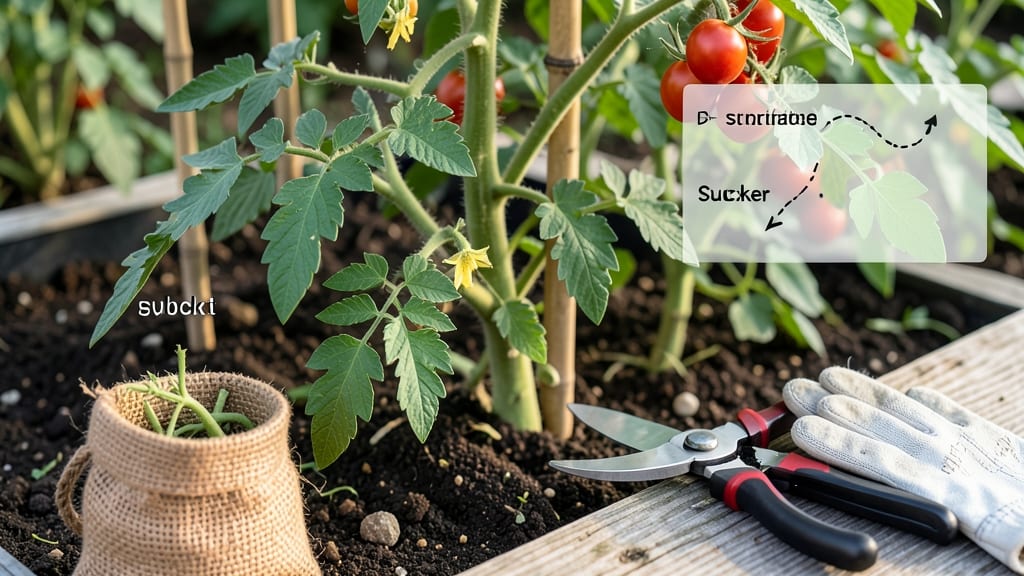
Pruning tomato plants for more fruit isn’t just about cutting—it’s about redirecting energy where it matters most. ✂️ I used to snip randomly, ending up with bushy plants and few tomatoes. The right technique transforms that same plant into a fruit-producing machine, with clusters heavy enough to bend the stems.
Start by removing suckers—the little shoots growing between the main stem and branches—when they’re 2-3 inches tall. This forces the plant to focus on ripening existing fruit instead of growing extra foliage.
For indeterminate varieties, prune regularly to keep air circulating, which prevents disease and lets sunlight reach the lower branches where most fruit forms.
📚 In This Guide
- What you need
- Instructions
- Tips and common mistakes
- Wrapping up and next steps
What you need
- ● Pruning shears or scissors: Sharp, clean, and sterilized (use rubbing alcohol or bleach solution). Avoid dull tools—they crush stems and invite disease. (1 pair)
- ● Gloves: Heavy-duty gardening gloves to protect your hands from thorns and dirt. (1 pair)
- ○ Disinfectant (optional but recommended): A 1:10 bleach-to-water solution to sterilize tools between cuts and prevent bacterial/fungal spread.
- ● Garden twine or stakes (if needed): For supporting indeterminate tomato varieties post-pruning. (1–2 rolls, 3–4 ft stakes per plant)
- ● Trash bag or compost bin: For disposing of pruned debris (avoid leaving it near plants to reduce disease risk).
- ● Know your tomato type: Determinate varieties: Bushy, self-supporting (e.g., Roma, Celebrity). Prune minimally—focus on removing suckers and damaged leaves.
- ● Indeterminate varieties: Vining, continuous growers (e.g., Cherry, Beefsteak). Require regular pruning for optimal fruit production.
- ● Best time to prune: Morning or late afternoon on a dry, cloudy day to reduce stress on the plant. Avoid pruning during wet conditions or extreme heat.
- ● Patience and observation: Prune gradually—don’t overdo it! Monitor plant health and adjust as needed.
Step-by-Step guide to pruning tomato plants for maximum fruit production
Here's my battle-tested method for pruning tomatoes—no guesswork, just science-backed trimming that directs energy to fruit.
🌱 Step 1: Identify the Main Stem and Remove Suckers Early
Tomatoes grow in an open, indeterminate habit where side shoots (suckers) form in the leaf axils between the main stem and branches. These suckers compete with fruit production by diverting energy. I start pruning when plants reach 18-24 inches tall, typically 3-4 weeks after transplanting.
Use your thumb and forefinger to gently pinch out suckers that are smaller than a pencil—these haven't yet established vascular connections. For larger suckers, use clean pruners at a 45-degree angle just above the leaf axil. Never leave stubs; they invite disease. Watch for new suckers forming weekly and remove them consistently.
✂️ Step 2: Prune for Airflow and Light Penetration
Once plants hit 3-4 feet tall, focus on creating an open structure that maximizes airflow and sunlight exposure. Remove any leaves touching the soil—these stay damp too long and rot. I also trim leaves below the first 6-8 inches of the plant to improve airflow and reduce disease risk.
For indeterminate varieties, leave 3-5 main stems (the strongest branches) and prune all others at their origin. This ensures the plant directs resources to fewer, stronger branches that bear heavier fruit loads. You'll see a dramatic difference in fruit size and quantity within 2-3 weeks of consistent pruning.
☀️ Step 3: Balance Growth and Fruit Production
When plants reach 5-6 feet tall, shift focus to balancing vegetative growth with fruiting. Leave 1-2 leaves above each fruit cluster to provide energy for ripening. Remove any leaves that shade fruit clusters—sunlight on ripening tomatoes accelerates flavor development.
Here's the thing—if you see excessive leaf growth with few flowers, your plant is putting too much energy into foliage. Trim back the top 1-2 inches of the main stem to encourage flowering. You'll notice more blossoms within 10-14 days, followed by increased fruit set.
🌿 Step 4: Maintain Throughout the Season
Weekly inspections are key. Check for new suckers, diseased leaves, and overcrowded branches. Remove any fruit clusters smaller than a golf ball—they won't ripen properly and compete with larger fruit. I also trim back any branches that grow toward the center of the plant, as they create shade and reduce airflow.
As the season progresses, you'll need to support the plant's weight. Install stakes or a cage now if you haven't already. Prune any branches that rub against supports, as abrasions invite disease. The goal is a plant that's open, airy, and sun-drenched—this is how you maximize fruit production.
Tips & tricks for strategic tomato plant pruning
Took me years of trial and error to figure out these game-changing techniques—your tomato harvest will thank you.
Timing Secret: The 3-4 week mark after transplanting is critical for Step 1. This is when plants have enough energy to recover from transplant shock but haven't yet become overgrown. I always check for suckers weekly after this point—they grow fast! Use a bright sunny day for pruning so wounds can dry quickly and reduce disease risk.
Tool Technique: For Step 1's sucker removal, I've found that clean pruners work best for anything larger than pencil-sized. The 45-degree angle cut matters—it prevents water from pooling where you cut, which would invite fungal infections. I keep a small spray bottle of diluted rubbing alcohol (1:1 with water) nearby to sterilize pruners between cuts, especially if I see any signs of disease on the plant.
Growth Balance: In Step 3, when you're maintaining that 1-2 inch trim back, think of it as a conversation with your plant. You're telling it, "Stop growing leaves, start making fruit." This top trimming triggers hormonal responses that redirect energy downward. I've seen plants go from leafy monsters to fruit factories within those 10-14 days after this step.
Visual Cues: For Step 4's maintenance, here's what to watch for: healthy fruit clusters should have vibrant green leaves above them (those 1-2 leaves you're preserving), while any leaves touching soil or growing inward should go. I imagine my plant as an open umbrella—sunlight and air need to flow through every part. If you see branches rubbing against supports, that's your cue to trim them immediately.
Pro Tips for Prune Tomato Plants For More Fruit
- Took me years of trial and error to figure out these game-changing techniques—your tomato harvest will thank you.
- Timing Secret: The 3-4 week mark after transplanting is critical for Step 1.
- Tool Technique: For Step 1's sucker removal, I've found that clean pruners work best for anything larger than pencil-sized.
Frequently asked questions
Got questions about pruning tomatoes for bigger harvests?
Here are answers to the most common ones—so you can prune like a pro and enjoy tons of juicy, vine-ripened fruit!
When is the best time to prune tomato plants?
Prune determinate (bush) tomatoes sparingly—only to remove diseased leaves. For indeterminate (vining) types, prune throughout the growing season, starting when plants hit 12–18 inches tall. Focus on early morning to avoid stressing the plant.
Do I really need to prune tomatoes? Won’t it hurt the plant?
Pruning indeterminate tomatoes boosts fruit production by directing energy to fewer, larger tomatoes. Determinate varieties rarely need pruning (they’re naturally bushy). Just avoid over-pruning—never remove more than 1/3 of the foliage at once to prevent shock.
What if my tomato plant has too many flowers but no fruit?
This often means pollination issues (common in greenhouses or rainy weather). Prune excess flowers (leave 3–5 clusters per stem) to help the plant focus on setting fruit, not just blooms. Gently shake plants daily to aid pollination, or hand-pollinate with a paintbrush.
Can I prune tomatoes in hot or humid weather?
Avoid pruning during peak heat (above 90°F) or after heavy rain—it stresses plants and invites disease. Wait for cool, dry mornings (60–80°F). If pruning in humidity, sterilize tools with rubbing alcohol to prevent fungal spread.
What should I do with the pruned leaves and stems?
Dispose of diseased leaves immediately
in the trash (not compost!). Healthy prunings can be chopped and mulched around the base (they’ll decompose into "green manure") or used in compost piles. Avoid piling near stems to prevent rot.
Pro Tip: Tag! Mark pruning spots with a toothpick or string to track growth and avoid over-trimming. Indeterminate tomatoes can grow 6+ feet tall—stay organized!
Wrapping up and next steps
Pruning your tomato plants isn’t just about trimming—it’s your secret weapon for a bountiful harvest! 🌱 By removing suckers, balancing growth, and improving airflow, you’re giving your plants the best chance to produce more flavorful, sun-ripened tomatoes. Start small, stay consistent, and watch your garden thrive!
Ready to take the next step? Grab your pruners and visit your garden today—your future meals (and bragging rights) will thank you!