
Plants
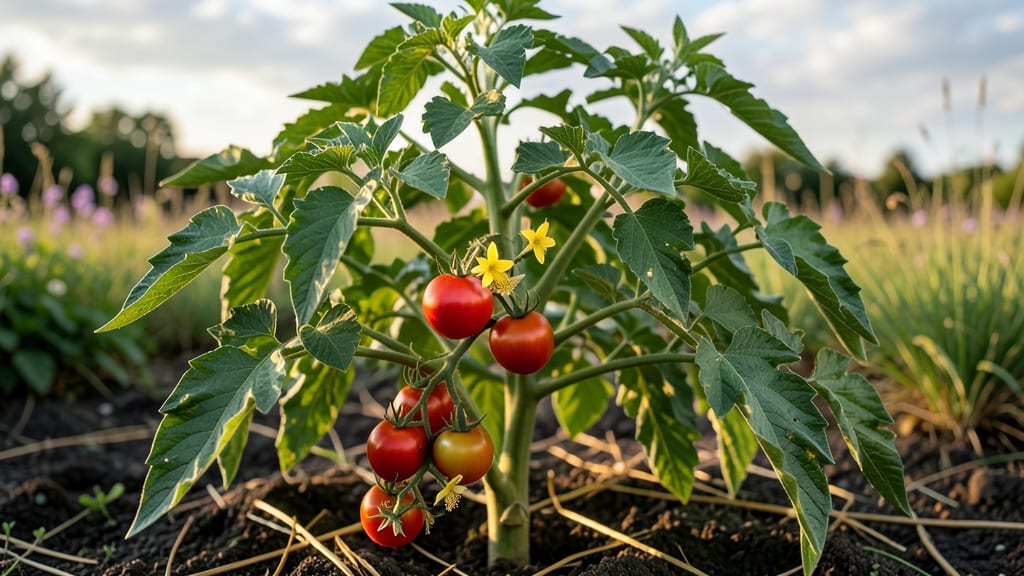
A full-grown beefsteak tomato plant 🍅 can produce those legendary 1-pound fruits—if you prune it right.
Picture this: your beefsteak tomato is thriving, but those massive tomatoes stay just out of reach. Without the right pruning, you’ll end up with smaller fruit and a plant struggling under its own weight. The key is knowing when and how to trim for bigger, juicier harvests.
In this guide, I’ll walk you through the exact pruning steps—from identifying the right stems to avoiding common mistakes that shrink your yield. You’ll also learn how to support your plant for maximum growth and keep it healthy all season long.
Ready to unlock those juicy, beefsteak-sized tomatoes? Let’s get started with the pruning techniques that make all the difference.
When and how to prune a full-grown beefsteak tomato plant for bigger fruit
Pruning your full-grown beefsteak tomato plant isn't just about keeping it tidy—it's the secret to massive, juicy fruits that weigh over a pound each. Unlike determinate varieties, beefsteaks are indeterminate growers, meaning they keep producing new stems and leaves all season long.
Without proper pruning, your plant will split its energy between too many branches and underdeveloped fruit, leaving you with small, mealy tomatoes instead of the showstoppers you crave.
Timing is everything with beefsteaks. Start pruning when your plant reaches 3-4 feet tall and has established its main stem and primary branches. This usually happens 6-8 weeks after transplanting, depending on your climate.
The goal is to redirect energy from excessive foliage to fruit development, but you must strike a balance—remove too much, and your plant won't produce enough leaves to photosynthesize and support those giant tomatoes.
Here's the step-by-step process I follow every season to maximize beefsteak tomato size while keeping my plants healthy and disease-resistant:
Locate the central leader—this is the thickest, upright stem that started from your transplant. This stem should remain unpruned as it's the primary producer of your largest fruits.
Suckers are the small shoots that grow in the leaf axils (where leaves meet the stem). Pinch these off when they're 1-2 inches tall using your thumb and forefinger or clean pruners. Focus on suckers below the first flower cluster first.
Remove leaves on the lower 18 inches of your plant to improve airflow and reduce disease risk. Use clean pruners to make cuts just above a leaf node (where new leaves can grow). This prevents fungal spores from settling in damp foliage.
Beefsteaks can support 3-4 main branches maximum. Choose the strongest, most vigorous branches that grow from the main stem or primary branches. Remove weaker branches at their base to conserve energy for fruit production.
Around mid-to-late August (or 6-8 weeks before your first frost), stop all pruning. This allows your plant to harden off and direct remaining energy to ripening existing fruit rather than new growth.
Use a sturdy cage or trellis to support your beefsteak's weight. As you prune, tie branches to the support every 12-18 inches to prevent breakage from heavy fruit loads. This also improves sunlight exposure to lower leaves.
After pruning, watch for yellowing leaves or stunted growth, which can signal over-pruning. If you see this, pause pruning for 1-2 weeks and focus on watering deeply and fertilizing lightly with a high-phosphorus formula (like 5-10-10).
One common mistake I see is pruning too aggressively in the early season. Your beefsteak needs enough leaf canopy to photosynthesize and support its massive fruit load. Aim to remove no more than 20-30% of foliage at any single pruning session.
Another tip: always use sterilized pruners to avoid spreading bacterial or fungal diseases like early blight or septoria leaf spot.
Late-season pruning requires a different approach. As your plant enters fruit ripening mode (usually late July or August), shift your focus to removing only diseased or dead leaves. Avoid cutting back any healthy growth that could still contribute to photosynthesis.
The goal now is to protect existing fruit from cold nights and pests while letting the plant finish its harvest.
For container-grown beefsteaks, pruning becomes even more critical since space is limited. In pots, I prune suckers more aggressively (every 3-5 days) and limit branches to just 2-3 to prevent the plant from becoming top-heavy.
Always choose self-watering containers with at least 5-gallon capacity to support the plant's increased water needs after pruning.
Remember, the key to beefsteak tomato success is patience and balance. Your plant will thank you with fewer but larger fruits that are sweeter and more flavorful than overcrowded, small tomatoes. Start with these steps, and soon you'll be harvesting 1-pound monsters that make your gardening neighbors jealous! 🍅
Common pruning mistakes that shrink beefsteak tomatoes (and how to Fix them)
Pruning your full grown beefsteak tomato plant is like sculpting a masterpiece—get it wrong, and those 1-pound fruits will stay small and underwhelming. Even experienced gardeners accidentally shrink tomato yields by making these five critical mistakes. The good news? Most can be fixed with a little knowledge and quick action.
First, let's address the biggest culprit: over-pruning. Many gardeners think "more pruning = bigger tomatoes," but removing too many leaf clusters or suckers starves your plant of energy.
Beefsteak varieties need 60-70% of their foliage to photosynthesize enough for those massive fruits. Without enough leaves, your plant will focus on survival—not fruit production.
⚠️ callout warning
Symptoms: Stunted growth, small fruit, yellowing leaves
Fix: Stop pruning immediately. Add compost tea and shade cloth (30%) to reduce stress. Focus on watering deeply (1-2L per plant) every 2-3 days.
Next, many gardeners make the mistake of removing the wrong stems. That sucker growing between main stem and branch? Keep it! It's a potential fruit-bearing stem. The rule is: if it's growing from the leaf axil (where leaf meets stem), it's a sucker—remove it.
If it's growing from the main stem, it's a fruit stem—leave it.
Timing is another silent yield-killer. Pruning too early in the season (before first flower cluster) delays fruiting. Pruning too late in the season (after first frost risk) reduces time for fruit to mature.
The sweet spot? Start pruning when your plant hits 18-24 inches tall and has 3-4 main stems, then continue until late July in most climates.
Here's how to recover if you've already made these mistakes: For over-pruned plants, apply fish emulsion fertilizer (1 tbsp per plant) and mulch heavily to retain moisture. For wrong stem removals, look for new suckers and let them grow—your plant will compensate.
For late-season pruning, focus on harvesting existing fruit and protecting new growth with row covers.
Remember, beefsteak tomatoes are indeterminate giants—they keep growing and producing all season. Treat pruning like a conversation with your plant: listen to its growth cues, respond gently, and you'll be rewarded with tomatoes the size of softballs instead of golf balls.
The key is balance: remove just enough to improve airflow and sunlight, but never so much that your plant can't feed those juicy monsters.