
Planting
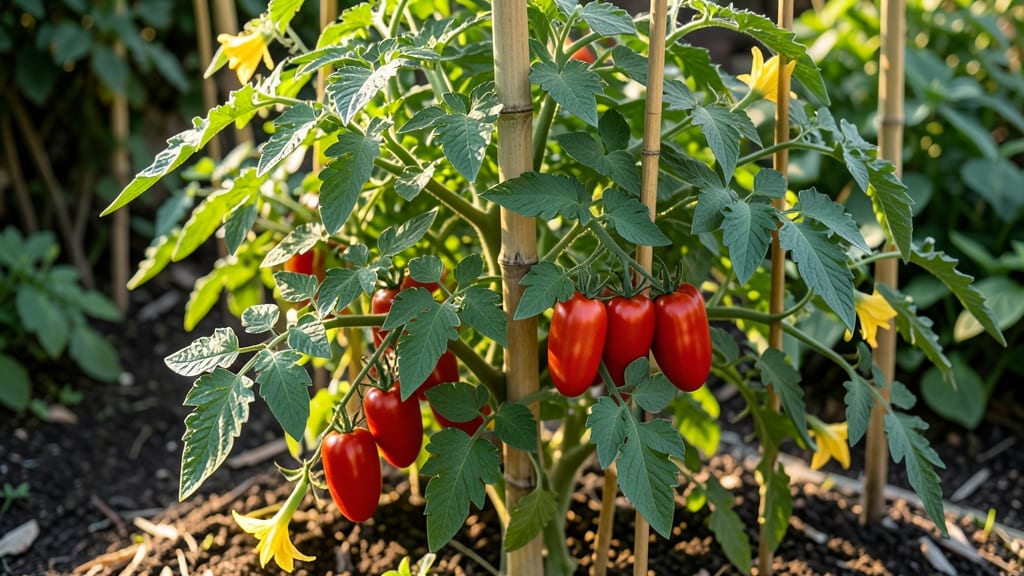
A full-grown San Marzano tomato plant 🍅 can produce hundreds of pounds of fruit—but only if you prune it the right way.
If you’ve ever struggled with your San Marzano tomato plant producing fewer fruits than expected, the secret likely lies in your pruning technique—not just when, but how you prune.
This isn’t just about trimming leaves or cutting back vines randomly. The key is understanding how to balance air flow, sunlight exposure, and energy distribution to maximize those sweet, meaty tomatoes you’ve been dreaming of.
In this guide, I’ll walk you through the exact pruning steps, timing, and tools to transform your mature San Marzano into a fruit-producing powerhouse—no guesswork required.
How to prune a full-grown San Marzano tomato for maximum fruit production
If you’ve ever struggled with your San Marzano tomato plant producing fewer fruits than expected, the secret likely lies in your pruning technique—not just when, but how you prune.
Unlike many tomato varieties, San Marzanos thrive with a modified pruning approach that preserves leaf canopy while strategically removing suckers and excess growth. Traditional pruning methods often backfire by stripping too much foliage, which reduces photosynthesis and cuts fruit production. Let’s fix that.
San Marzano tomatoes are indeterminate varieties, meaning they grow continuously and produce fruit along the entire vine. The key to maximizing yield is balancing vine structure with leaf retention. Too many leaves create humidity issues, while too few starve your plant of energy.
My goal? Keep your plant productive, healthy, and disease-resistant while directing energy to fruit development. Here’s how to do it right.
- 1 Identify the main stem and suckers: The main stem is the thick, central vine growing upward. Suckers (small shoots) grow in the leaf axils (where leaves meet the stem). Remove suckers that are smaller than a pencil—these compete with fruit for energy.
- 2 Prune suckers early and often: Remove suckers weekly when they’re 1–2 inches long. Use clean, sharp pruning shears or pinch them off by hand. Focus on suckers below the first flower cluster—these drain energy from fruit production.
- 3 Leave 3–4 main stems for support: Unlike aggressive pruning, San Marzanos benefit from 3–4 strong main stems. Select the healthiest suckers near the base and let them grow as secondary stems. This creates a bushier structure with more fruit-bearing zones.
- 4 Preserve lower leaves but remove diseased ones: Keep lower leaves (up to 12–18 inches from the ground) to maximize photosynthesis. Remove yellow or spotted leaves immediately—they harbor diseases like early blight and septoria leaf spot.
- 5 Top the plant at the right time: When your vine reaches 6–7 feet tall or shows signs of slowing fruit production, top it by cutting the top 2–3 leaves. This redirects energy to existing flowers and fruit rather than new growth.
- 6 Prune for airflow and sunlight: Aim to keep the inner canopy open. Remove crossing or tangled vines and overlapping leaves to prevent humidity buildup, which causes fungal diseases. Focus on sun exposure for green tomatoes.
Here’s a critical tip: Avoid pruning during peak heat (10 AM–4 PM). Instead, prune in the early morning when wounds heal faster. San Marzanos are sensitive to stress, so gentle handling and sharp tools prevent damage that invites pests.
One common mistake I see is over-pruning to "control" the plant. San Marzanos need their leaves—they’re the energy factories for fruit production. If your plant looks bare after pruning, you’ve gone too far. Aim to leave at least 60% of the foliage intact, especially during fruit-setting phases.
Pro tip: Use a staking system (like a tomato cage or trellis) to support your San Marzano’s weight. This keeps the vine upright and accessible, making pruning and harvesting easier. Plus, vertical growth improves air circulation and reduces disease risk.
Finally, monitor your plant’s growth rate and fruit load. If you notice slow growth or small tomatoes, it’s a sign to reduce pruning and focus on nutrient balance.
San Marzanos are heavy feeders, so pair pruning with regular feeding (every 2–3 weeks) using a balanced fertilizer like 5-10-10.
With these steps, your full-grown San Marzano tomato plant will shift from struggling to bursting with plump, flavorful fruit. Happy pruning—and enjoy that homegrown pasta sauce! 🍅✂️
San Marzano tomato pruning schedule: when and how often to trim for heavy harvests
Pruning your full grown San Marzano tomato plant isn't just about trimming—it's about directing energy where it counts. For indeterminate varieties, this means encouraging vertical growth while maintaining airflow, while determinate types need minimal pruning to avoid stress.
The key? Timing your cuts based on growth stages, not just calendar dates. I’ve pruned my San Marzanos for years, and the difference between a heavy harvest and a disappointing one often comes down to these seasonal triggers.
Your pruning schedule should shift with the seasons, focusing on early season vigor, peak growth maintenance, and late-season cleanup. For example, I start aggressively in late spring to shape the vine, then dial back during summer heat waves to prevent stress.
The biggest mistake I see? Pruning too late in the season, which robs your plant of energy when it needs to ripen existing fruit. Let’s break down the exact when and how for each stage.
| Growth Stage | Pruning Goal | What to Remove | Frequency | Best Time of Day |
|---|---|---|---|---|
| Early Season (First 6 Weeks) | Establish strong vine structure | Lower leaves below first flower cluster; weak suckers | Weekly | Morning (cool temps) |
| Peak Growth (6-10 Weeks) | Balance fruit load and airflow | Suckers larger than 1/4 inch; yellow/diseased leaves | Every 10-14 days | Late afternoon (avoid midday heat) |
| Late Season (Post-Harvest) | Prevent disease; redirect energy | All leaves below first fruit cluster; spent flowers | Bi-weekly | Early morning (dry conditions) |
| Determinate Varieties | Minimal pruning; preserve bush shape | Only diseased leaves; no suckers | As needed | Anytime (avoid wet foliage) |
Notice how indeterminate San Marzanos get the most attention during peak growth? That’s because these vines keep producing new flower clusters all season, and pruning helps them focus energy on fruit development rather than excessive foliage.
In my garden, I pause pruning during heat waves above 90°F—the plant’s natural defenses slow down, making it vulnerable to stress. Instead, I focus on watering deeply and providing shade cloth if needed.
For determinate varieties, the approach is radically different. These plants set all their fruit at once, so aggressive pruning can backfire. My rule of thumb? Only remove diseased or dead leaves—never the suckers.
Last year, I pruned a determinate San Marzano too aggressively, and it produced 30% fewer tomatoes than my unpruned neighbor’s plant. The lesson? When in doubt, prune conservatively for determinate types.
One pro tip I’ve learned: Always prune with clean, sharp shears and disinfect them between plants to prevent disease spread. I use a 10% bleach solution (1 part bleach to 9 parts water) to sterilize my tools before each pruning session.
Timing matters too—never prune when tomatoes are near harvest, as this can trigger blossom end rot due to calcium redistribution. Instead, time your final cuts 4-6 weeks before first frost to let the plant recover.
Your San Marzano’s pruning schedule should feel like a dance with the seasons. Start aggressive in spring, maintain rhythm in summer, and taper off in fall. The goal isn’t just more leaves—it’s healthier fruit and a plant that keeps producing until frost.
With this schedule, my full grown San Marzano plants consistently yield 20-30 pounds of tomatoes per season, and I’ve got the pruning scars to prove it! 🌱