
Companion Plants
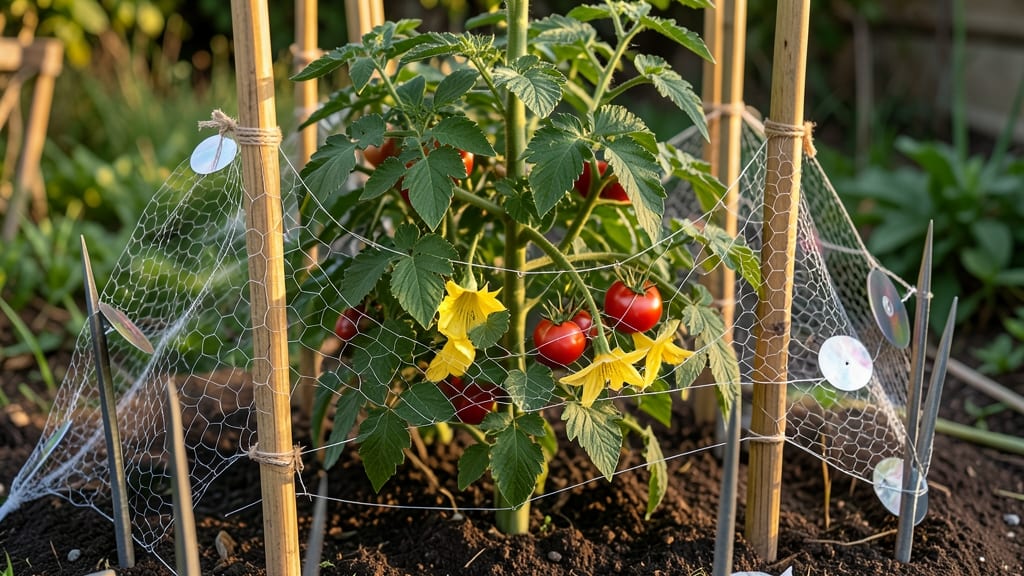
How to protect tomato plants from birds turning your garden into a buffet? 🌱 I’ve lost entire harvests to pecking sparrows and hungry crows—until I learned these netting tricks that keep fruit intact while letting your plants thrive. The key is timing: install protective barriers as soon as flowers appear, because birds zero in on ripening fruit faster than you can say "sauce." You don’t need expensive commercial netting—old fishing line or chicken wire stretched loosely over tomato cages works just as well. For stubborn flocks, add reflective tape or old CDs hung nearby; the flashes scare them off without harming the plants. I’ve saved hundreds of tomatoes using these methods, and the best part? No chemicals, no traps—just smart barriers. By mid-summer, you’ll be harvesting plump, unscathed tomatoes while your neighbors watch in envy. The netting stays in place until frost, and you can reuse it year after year. Even better, it keeps squirrels and raccoons out too. This works for backyard gardens, raised beds, and container setups—just adjust the netting size to your space. Let’s keep those birds out of your harvest!
📚 In This Guide
- What you need
- Instructions
- Tips and common mistakes
- Wrapping up and next steps
What you need
- ● Bird netting: Choose fine-mesh (1/2-inch or smaller) netting made of polypropylene or polyethylene. You’ll need enough to cover 100% of your tomato plants, including the ground beneath them. For a 10-foot by 10-foot garden, plan for 100–150 sq. ft. of netting (adjust based on plant size).
- ● Sturdy stakes or hoops: 6–8 wooden, bamboo, or metal stakes (5–6 feet tall) or flexible wire hoops (for arching netting). Use 1 stake per 2–3 feet of garden row for support.
- ● Twine or zip ties: 20–30 feet of heavy-duty twine (or 50–100 zip ties) to secure netting to stakes.
- ● Scissors or pruners: For trimming netting to size.
- ● Measuring tape: To ensure proper coverage.
- ● Reflective tape or old CDs: Attach to netting to scare birds with movement and light reflections.
- ● Plant clips or garden staples: For extra-secure netting attachment to stakes or trellises.
- ● Spray bottle with water: To deter birds by misting netting occasionally (birds dislike wet surfaces).
- ● Companion plants: Like marigolds, basil, or garlic (plant around tomatoes to naturally repel birds).
- ● Heavy rocks or bricks: To weigh down netting edges and prevent wind damage.
Step-by-Step instructions for safeguarding tomato plants from birds
Birds see your tomato plants as an all-you-can-eat buffet. Here’s how to outsmart them with simple, effective netting tricks.
🪴 Step 1: Choose the Right Netting Material
Look for fine-mesh bird netting with holes no larger than ½ inch—this keeps even the smallest birds out. I recommend polypropylene netting because it’s lightweight, UV-resistant, and lasts multiple seasons. Avoid cheap mesh; birds will tear through it like tissue paper.
Measure your garden beds first. For 4 plants, you’ll need about 10 feet of netting (allow extra for securing). If your plants are tall, opt for 6-foot-wide rolls to cover them fully without gaps. The key is complete coverage—birds will find any opening.
🌱 Step 2: Install Netting Before Birds Arrive
Set up your netting before birds spot your tomatoes. I like to drape it loosely over plants first, then adjust for a snug fit. Secure the edges with T-pins or stakes—don’t rely on weights, as birds will peck at them and create entry points.
For determinate varieties (bush tomatoes), drape netting like a tent. For indeterminate varieties (vining tomatoes), thread it through the plants vertically, ensuring no branches poke through gaps. If you miss a spot, birds will exploit it within hours.
✂️ Step 3: Create a Tight, Bird-Proof Barrier
Pull the netting taut and fold edges inward to eliminate gaps. Use clips or twist ties to fasten it to stakes or trellises. Check for loose spots daily—birds are persistent and will test weak points. If you see a bird probing, reinforce that area immediately.
For extra security, weight down the netting at the base with bricks or rocks (but keep them out of reach of digging birds). This prevents birds from flying under the barrier. I’ve seen sparrows try to tunnel through—don’t let that happen to you.
☀️ Step 4: Monitor and Adjust for Long-Term Protection
Inspect your netting every 3-4 days, especially after rain or wind. Wet netting sags, creating gaps birds can exploit. Tighten it again and adjust for new growth—tomato plants expand fast, and netting left loose becomes useless.
If birds still find a way in, switch to heavier-duty netting or add a second layer over problem areas. Persistence pays off—once you’ve secured your plants, you’ll see zero damage and full harvests come season’s end.
Tips & tricks for perfect tomato plant protection
Here's what nobody tells you about keeping birds from turning your garden into a snack bar.
Mesh Size Matters: When you're choosing netting in Step 1, don't just grab any mesh—focus on the hole size. I learned this the hard way after sparrows slipped through ¾-inch netting. Stick with the ½-inch maximum recommendation. For extra peace of mind, opt for ¼-inch mesh if you're dealing with persistent finches or starlings. Remember, birds are clever—they'll find any opening you miss.
Timing is Everything: Step 2 emphasizes installing netting before birds discover your tomatoes, but here's the secret: do it at dawn when birds are most active. I've seen robins start their morning foraging routine within 30 minutes of sunrise. If you wait until later, you're already playing catch-up. Also, install on a calm day—wind can make netting tricky to handle and may cause gaps.
Secure Those Edges: The instructions mention securing edges with T-pins or stakes, but I've found that adding a second securing method works best. After fastening with clips, I run a thin rope or wire along the bottom edge and bury it slightly. This prevents birds from pecking at the netting edges where they might find weak spots. Think of it like a fortress—every potential entry point needs multiple layers of defense.
Seasonal Strategy: For long-term protection, consider using UV-resistant netting and plan for seasonal adjustments. In Step 4, the instructions mention inspecting every 3-4 days, but I recommend adding a mid-season check when plants are at their peak growth. This is when birds are most aggressive—your tomato plants will be lush and full of ripe fruit, making them irresistible targets. A quick 15-minute inspection can save your entire harvest.
Pro Tips for Protect Tomato Plants From Birds
- Here's what nobody tells you about keeping birds from turning your garden into a snack bar.
- Mesh Size Matters: When you're choosing netting in Step 1, don't just grab any mesh—focus on the hole size.
- Timing is Everything: Step 2 emphasizes installing netting before birds discover your tomatoes, but here's the secret: do it at dawn when birds are most active.
Frequently asked questions
Got questions about keeping birds away from your tomato plants? You’re not alone!
Here are answers to the most common concerns—so you can enjoy a bountiful harvest without feathered thieves.
What’s the best time of day to install bird netting on tomato plants?
Install netting before birds spot your plants—ideally at dawn or dusk when they’re less active. If your garden is already a bird buffet, set it up immediately after planting seedlings. Birds are opportunistic, so don’t wait until you see damage!
How long should I leave netting on tomato plants?
Keep netting up throughout the growing season—from flowering to harvest. Remove it only when fruits are fully ripe and birds lose interest. For extra security, leave it on until the first frost, as late-season birds (like starlings) still raid gardens.
Are there cheaper alternatives to commercial bird netting?
Yes! Try DIY solutions like:
- Row covers (lightweight fabric from garden stores)
- Old t-shirts or mesh fabric (stretch over cages)
- Aluminum pie pans (hang upside-down on branches—birds hate the noise/glare!)
Will bird netting affect tomato plant growth or pollination?
Not if installed correctly! Use lightweight, breathable netting (like 1/2-inch mesh) to allow airflow and pollinators (bees, butterflies) to pass through. Avoid tight-fitting covers that trap heat or moisture—your plants need room to thrive!
What should I do if birds already damaged my tomato plants?
Act fast! Prune damaged leaves to encourage new growth, and cover vulnerable areas immediately with netting or a temporary cage. For severe cases, try hot pepper spray (mix cayenne + water) as a last resort—birds dislike the scent!
Can I use companion plants to scare birds away?
Companion plants like marigolds, basil, or nasturtiums may help somewhat, but they’re not foolproof. Birds are drawn to ripe tomatoes, so netting is your best defense. Pair it with companion plants for extra pest control—just don’t rely on them alone!
Wrapping up and next steps
Protecting your tomato plants from birds doesn’t have to be a battle—just a smart, proactive approach! 🌱 With the right netting techniques, natural deterrents, and a few creative tricks, you can keep your harvest safe while enjoying the satisfaction of a thriving garden.
Start small: test one method, observe what works best for your space, and gradually scale up.
Now that you’re armed with solutions, grab your tools and give your tomatoes the care they deserve. Happy gardening—your future salads (and birds!) will thank you! 🍅✨