
Pests
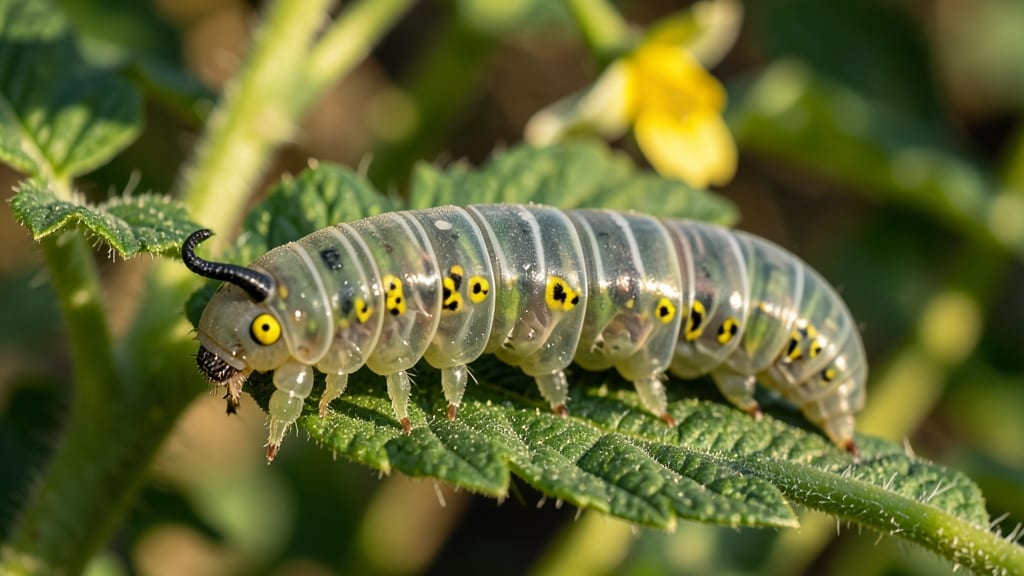
How to prevent tomato worms can save your lush harvest from becoming a skeletonized mess in days. 🌱 I’ve lost entire plants to these striped bandits—until I discovered the neem oil barrier that finally gave me control. The key isn’t just reacting when you see damage; it’s stopping the eggs before they hatch. Neem oil works by disrupting the worms’ life cycle, but it’s just one weapon in your arsenal. Row covers, handpicking, and strategic companion planting (like basil or marigolds) create layers of defense. The earlier you act, the easier it gets—once those worms tunnel into your fruit, you’re fighting a losing battle. You’ll spot the first signs within 2 weeks of planting: tiny white eggs on leaves or chewed leaves that look like lace. With consistent prevention, you’ll enjoy tomatoes that stay plump, green, and worm-free all season long. Here’s how to build your defense system. Here’s the thing—neem oil isn’t a magic bullet, but it’s the most reliable organic solution when used right. You’ll need to spray every 5-7 days during peak worm season (late spring through summer), always in the early morning or evening when bees are less active. Pair it with row covers for extra protection, and you’ll see a dramatic drop in egg counts within a week. For long-term success, rotate your prevention methods. Plant basil near your tomatoes—its strong scent confuses the worms—and add marigolds to deter them naturally. Check your plants daily for eggs (they look like tiny white specks) and remove them by hand before they hatch. It’s tedious but worth it for that first perfect, worm-free tomato of the season. The best time to start is now—before the first worm appears. Early intervention means fewer pests, less damage, and more time enjoying your garden instead of battling an infestation. Trust me, once you see your tomatoes stay firm and blemish-free, you’ll never go back to playing catch-up.
The Hidden Triggers Behind Tomato Worms
Tomato worms—those insidious green caterpillars of the Manduca sexta (tomato hornworm) and Spodoptera exigua (beet armyworm) species—don’t just appear out of nowhere. They’re the result of a perfect storm of environmental cues, plant signals, and human habits that unwittingly invite them to feast on your garden.
Understanding these triggers is the first step to disrupting their lifecycle before they devastate your crops. Let’s break down the science behind why these pests show up when they do.
Tomatoes emit volatile organic compounds (VOCs) when they’re ripe, bruised, or stressed—chemical distress signals that act like a neon "EAT ME" sign to hungry caterpillars. Studies show that Manduca sexta larvae can detect these compounds from up to 3 feet away, zeroing in on the sweetest, softest targets.
- Why it happens: - Ethylene gas, a natural plant hormone, spikes when tomatoes ripen or get damaged.
This gas attracts adult moths, which lay eggs near the source. - Sugary, broken skin is a protein-rich buffet for worms, making them prefer overripe or wounded fruit over firm, healthy tomatoes. - Shade or humidity (common in dense plantings) slows ethylene dissipation, keeping the "all-you-can-eat" signal active longer.
Actionable insight: Harvest tomatoes promptly and remove fallen or damaged fruit to cut off the chemical invitation.
Tomato worms thrive in chaotic gardens where they can hide, pupate, and multiply undetected. Their lifecycle depends on:
- Leaf litter (for egg-laying and pupation).
- Tall, unpruned plants (which block airflow and increase humidity, ideal for larval survival).
- Weeds and ground cover (which provide shelter for overwintering pupae).
- Why it happens:
- Adult moths prefer to lay eggs on undersides of leaves in shaded, moist areas—exactly where dense foliage creates.
- Poor air circulation from overcrowding raises humidity, slowing decomposition of organic matter (like fallen leaves), which worms use as nesting material.
- Monoculture gardens (planting only tomatoes) offer a non-stop food source, encouraging moths to linger and reproduce.
Actionable insight: Prune plants regularly, mulch with straw (not leaves), and interplant tomatoes with basil, marigolds, or nasturtiums to disrupt their habitat.
Tomato worms don’t just appear—their parents (Heliothis and Spodoptera moths) time their egg-laying to your watering routine. Here’s how:
| Watering Habit | Why It Attracts Worms | Worm Lifecycle Impact |
|---|---|---|
| Late evening watering | Moths are nocturnal; damp foliage at night signals "safe laying grounds." | Eggs hatch faster in humidity; larvae thrive. |
| Overhead sprinklers | Creates a microclimate that mimics their natural swampy breeding grounds. | Pupae survive longer in moist soil. |
| Inconsistent watering | Stress from drought followed by heavy watering triggers ethylene production in tomatoes. | Ripe tomatoes become worm magnets. |
- Why it happens: - Moths use moisture cues to locate host plants.
A garden that’s consistently damp mimics their native wetland habitats. - Nighttime watering reduces predatory bird activity, giving moths a safer window to lay eggs. - Drip irrigation (which keeps soil moist but leaves foliage dry) is far less attractive to moths than overhead watering.
Actionable insight: Water early in the morning and use soaker hoses to keep leaves dry. Avoid wetting foliage after sunset.
Tomato worms are cold-blooded—their activity skyrockets when temperatures hit 70–85°F (21–29°C) at night. Stagnant, warm air traps heat and humidity, creating a larval paradise.
- Why it happens:
- Slow-moving air (common in greenhouses or dense plantings) prevents heat from dissipating, keeping nighttime temps ideal for egg hatching.
- Black plastic mulch or dark soil absorbs heat, radiating warmth upward—perfect for speeding up the worm’s 14–21 day lifecycle.
- Early summer heatwaves sync with tomato flowering, when plants are most vulnerable to egg-laying moths.
Actionable insight: Use reflective mulch (like aluminum) to reduce soil heat, and improve airflow with trellises or spacing. Avoid planting tomatoes in low-lying areas where cold air pools at night.
Not all tomatoes are equally appealing to worms. Sweet, thin-skinned, and early-ripening varieties are top targets because:
- High sugar content (like in 'Sweet 100' or 'Cherokee Purple') attracts moths.
- Thin skins (common in heirlooms) are easier for larvae to penetrate.
- Early bloomers (planted before last frost) give moths a head start on the season.
- Why it happens:
- Genetic traits: Some tomato varieties produce more ethylene or have softer stems, making them easier for worms to colonize.
- Pollination timing: Tomatoes that set fruit early in the season align with moth emergence, giving larvae a 6–8 week feeding window before harvest.
Actionable insight: Choose thick-skinned, late-blooming varieties (like 'Roma' or 'San Marzano') for resistance, or grow cherry tomatoes in cages to deter ground-level egg-laying.
A healthy garden has natural worm controls—birds, parasitic wasps (Cotesia congregata), and predatory beetles—that keep populations in check. But when these helpers vanish, worms take over.
- Why it happens:
- Pesticide use (even broad-spectrum sprays) kills beneficial insects faster than worms.
- Lack of diversity: Monoculture gardens offer no alternate food sources for predator insects.
- Urban sprawl: Fewer wildflower meadows mean fewer adult wasps to pollinate and parasitize worm eggs.
Actionable insight: Plant native wildflowers (like dill or fennel) to attract wasps, and avoid neonicotinoids—they’re toxic to worm predators.
💡 Pro Tip: Worms don’t just attack tomatoes—they target peppers, eggplants, and potatoes too. If you’ve had one infestation, assume the moths are scouting your entire Solanaceae family (nightshade plants). Rotate crops yearly to break their lifecycle.
Quick Fixes for Tomato Worms
Discovering tomato worms munching on your prized plants can be frustrating, but the good news is that you can take action right now to protect your garden.
Below, we’ve mapped out practical solutions based on the most common causes—from early detection to long-term prevention—so you can keep your tomatoes thriving. 🌱🚫🐛
If you’ve spotted a few tomato worms, the fastest way to stop them is to remove them manually. This method is chemical-free, cost-effective, and works immediately.
- 👨🍳 When to do it: Early morning or late evening (worms are sluggish and easier to spot).
- 🔪 How to do it:
- Wear gloves and inspect leaves, stems, and fruit for green or brown caterpillars (up to 3 inches long).
- Drop them into a bucket of soapy water (1 tbsp dish soap per gallon) to kill them instantly.
- Check plants daily—worms can double in size in just 3-4 days!
- 💡 Pro tip: Focus on the undersides of leaves and near blossom clusters, where worms love to hide.
If handpicking feels tedious, use temperature extremes to eliminate eggs and larvae without chemicals.
- ☀️ Solar Powered Trap:
- Place a shallow dish filled with soapy water under a clear plastic bottle or jar.
- Worms crawling inside will drown—check and refresh the water every 24 hours.
- ❄️ Freeze Eggs & Larvae:
- Cover young plants with row covers or plastic sheeting overnight in cold weather (below 40°F).
- Repeat for 3-4 nights to kill overwintering eggs.
For a non-toxic barrier, these sprays disrupt worm life cycles while being safe for pets and pollinators.
| Spray | How to Use | Frequency |
|---|---|---|
| Neem Oil | Mix 2 tbsp neem oil + 1 tsp mild soap in 1 quart water. Spray directly on leaves (avoid flowers). | Every 5–7 days or after rain |
| Bacillus thuringiensis (Bt) | Stir 1 tsp Bt powder into 1 quart water. Spray evenly on foliage. | Every 7–10 days |
| Garlic & Chili Spray | Blend 4 garlic cloves + 1 tbsp cayenne pepper in 1 quart water. Strain and spray. | Every 3–4 days |
- 💡 Pro tip: Spray early in the morning to avoid harming bees. Reapply after rain.
Prevent worms from reaching your plants in the first place with these low-tech solutions.
- 🧶 Row Covers:
- Use lightweight fabric covers over young plants to block adult moths (worm parents).
- Secure edges with soil or bricks to keep moths out.
- 🍅 Collars for Stems:
- Cut a 6-inch strip of cardboard or aluminum foil and wrap it around tomato stems at the base.
- This stops worms from crawling up to the fruit.
- 🌿 Companion Planting:
- Plant basil, marigolds, or nasturtiums near tomatoes—their scents repel tomato hornworm moths.
Stop worms before they start with these easy habits:
- ✅ Rotate crops – Avoid planting tomatoes in the same spot yearly (worms overwinter in soil).
- ✅ Remove debris – Clear old plant matter from your garden in fall to eliminate hiding spots for eggs.
- ✅ Encourage predators – Attract birds, parasitic wasps, and ladybugs with diverse plantings (e.g., dill, fennel).
- ✅ Prune strategically – Remove lower leaves that touch the soil to limit worm access to fruit.
With these targeted solutions, you’ll reclaim your tomato plants in no time—without resorting to harsh chemicals. Start with one method that fits your garden’s needs, and watch your tomatoes flourish worm-free! 🍅💚
Frequently asked questions about tomato worms
What do tomato worm eggs look like, and where should I check for them?
Tomato worm eggs are tiny, white specks about the size of a pinhead, often laid in clusters on the undersides of leaves or near blossom clusters. Check the lower leaves and stems first—these are their favorite spots. They hatch within 2-4 days, so remove them immediately to prevent larvae from appearing.
How often should I apply neem oil to prevent tomato worms?
Apply neem oil every 5-7 days during peak worm season (late spring through summer), or after heavy rain. For best results, spray early in the morning when bees are less active. Mix 2 tablespoons neem oil + 1 teaspoon mild soap per quart of water—this disrupts the worms' life cycle before they hatch.
Will row covers work for my entire tomato season?
Row covers are most effective for young plants (first 4-6 weeks) to block adult moths from laying eggs. However, they can reduce airflow and heat, so remove them when flowers appear to allow pollination. For later in the season, combine row covers with handpicking or Bacillus thuringiensis (Bt) sprays for ongoing protection.
Can I use garlic spray as a long-term solution for tomato worms?
Garlic spray is a short-term deterrent—it repels worms temporarily but doesn’t kill eggs or larvae. For long-term control, use it every 3-4 days alongside other methods like neem oil or companion planting. Blend 4 garlic cloves + 1 tablespoon cayenne pepper in 1 quart water, strain, and spray directly on leaves (avoid flowers).
What should I do if I find a tomato worm already inside my fruit?
Remove the worm immediately by cutting open the fruit and pulling it out with gloves. Discard the tomato—once a worm tunnels in, the fruit is unsafe to eat. To prevent future infestations, prune lower leaves that touch the soil and use stem collars (cardboard or foil wrapped around the base) to block worms from crawling up.