
Planting
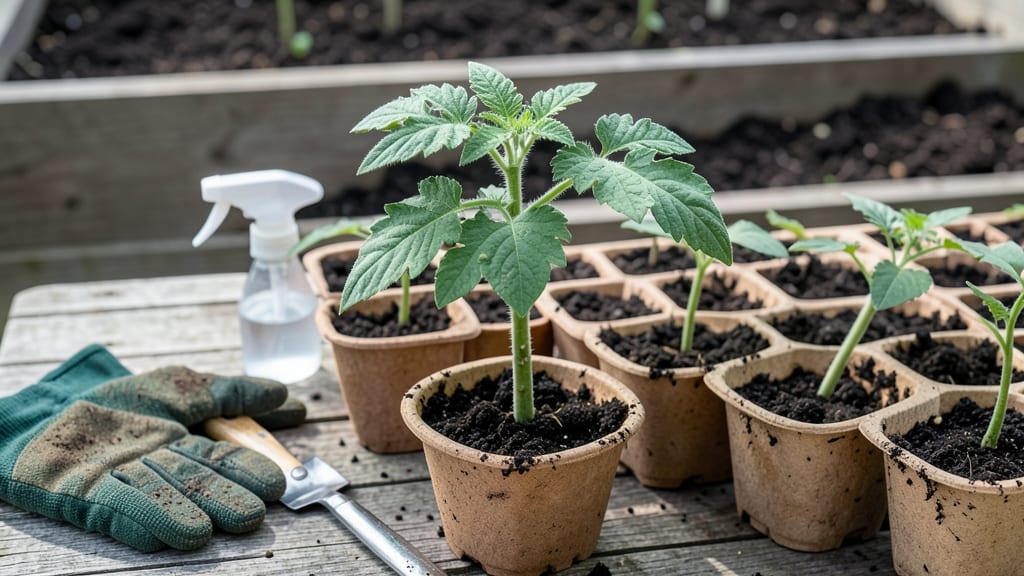
Planting beefsteak tomato seeds indoors gives you a head start on 3-pound monsters that grocery stores can’t match. 🌱 I’ve grown these giants for years, and the secret to success starts with the right soil, depth, and warmth—before you even see those first leaves.
Most beginners overwater or bury seeds too deep, which is why so many give up by week three. But with the right setup, you’ll have sturdy seedlings ready for transplant in just 6-8 weeks.
The magic happens in a simple mix of seed-starting soil and perlite (or coconut coir) to keep roots breathing. Drop those seeds just ¼-inch deep—no deeper, or they’ll rot before sprouting—and space them 1 inch apart in a flat or small pots.
Keep the soil damp (not soggy) with a spray bottle, and place them under a grow light or in the sunniest window you’ve got. Beefsteaks need warmth to germinate, so aim for 70-80°F soil temps—no cold drafts or you’ll be waiting forever.
Once those first leaves appear, you’ll know you’re on the right track—thick, deep green stems that don’t flop over when you touch them. That’s when you start feeding them lightly with diluted fish emulsion or compost tea, and give them a little stretch by rotating the tray daily.
By week four, you’ll be pinching off those lower leaves to encourage a strong central stem, setting them up for 6-foot-tall plants that can handle the weight of their own fruit.
Here’s the thing about beefsteaks: they don’t just grow big—they demand attention. You’ll need sturdy cages or stakes from day one because these vines get heavy, and pruning suckers early keeps the energy focused on those massive fruits.
Skip the shortcuts, and you’ll end up with a plant that outgrows its support or splits under the weight of its own glory. Trust me, the first time you bite into a vine-ripened beefsteak you grew from seed, you’ll never buy store-bought again.
📚 In This Guide
- What you need
- Instructions
- Tips and common mistakes
- Wrapping up and next steps
What you need
- ● Beefsteak tomato seeds – 1 packet (or 5-10 seeds per pot if starting multiple plants). Look for heirloom or hybrid varieties like 'Brandywine,' 'Big Beef,' or 'Cherokee Purple' for that classic beefsteak flavor!
- ● Seed-starting trays or small pots – 2-4 inch pots (biodegradable or plastic) or a seed tray with individual cells. Aim for one seed per pot to avoid overcrowding.
- ● High-quality seed-starting mix – A sterile, well-draining mix (avoid garden soil—it’s too dense!). Brands like FoxFarm Seedling Mix or Black Gold Natural Potting Soil work wonders.
- ● Grow lights or a sunny windowsill – A full-spectrum LED grow light (12-16 hours/day) is ideal, but a south-facing window with 6+ hours of direct sunlight can work in a pinch.
- ● Spray bottle with water – For gentle hydration (tap water is fine, but avoid distilled or softened water—it lacks minerals).
- ● Plastic wrap or humidity dome – To create a mini greenhouse effect and retain moisture while seeds germinate.
- ● Heat mat – Speeds up germination (70-80°F is ideal). Great for cooler climates!
- ● Fertilizer (balanced or starter-specific) – A 5-5-5 or 10-10-10 NPK ratio fertilizer (diluted to half-strength) once seedlings sprout. Fish emulsion or seaweed extract are natural boosters too.
- ● Label maker or popsicle sticks – To track seed varieties and planting dates (trust us, you’ll forget!).
- ● Fan (small oscillating) – For hardening off seedlings later by mimicking wind.
- ● pH test kit – Ensures your soil is 6.0-6.8 (tomatoes love slightly acidic conditions).
Step-by-Step instructions for planting beefsteak tomato seeds indoors
Here's the foolproof method I use to grow beefsteak tomatoes that outperform store-bought plants every time.
🌱 Step 1: Prepare Your Containers and Starting Mix
Fill clean 2-3 inch deep seed-starting trays or small pots with a sterile seed-starting mix. I avoid regular garden soil—it's too dense and can harbor diseases that will kill your seedlings before they even sprout. Moisten the mix until it's damp like a wrung-out sponge, but not dripping. Press it down lightly so the surface is firm but not compacted.
Beefsteak tomatoes need room to grow, so I use individual cells or small pots for each seed. This prevents overcrowding later, which leads to weak, leggy plants. Tap the containers gently on the table to settle the soil evenly. You'll see the perfect texture when it holds together when pinched but still crumbles easily.
🌱 Step 2: Plant the Seeds at the Right Depth
Plant 2 seeds per cell (just in case one fails to germinate) at a depth of about ¼ inch. Beefsteak seeds are larger than many varieties, so don't bury them too deep—they need light to trigger germination. Cover them lightly with a sprinkle of additional mix, then mist gently with water until the surface looks evenly damp.
I tap the seed packet gently to release one seed at a time—planting too many in one hole leads to weak, crowded seedlings. Label each cell with the variety and date. After a week of watching identical green sprouts, you'll forget which is which if you don't!
💧 Step 3: Create Ideal Germination Conditions
Cover the trays with a clear humidity dome or plastic wrap to retain warmth and moisture. Beefsteak tomatoes germinate best at 75-85°F. A seedling heat mat keeps the soil 10°F warmer than ambient and dramatically improves germination speed. Expect sprouts in 5-10 days, though cooler rooms may take a few extra days.
Check daily but resist the urge to water. The dome traps enough moisture that the soil stays evenly damp without intervention. Once 50% of seeds have sprouted, remove the dome immediately—trapped humidity around new seedlings invites damping-off disease that will collapse stems overnight.
☀️ Step 4: Move to Bright Light Immediately
The instant seedlings break through the soil, they need 14-16 hours of light daily. A south-facing window rarely provides enough intensity, so I use a full-spectrum LED grow light positioned 2-4 inches above the plants. Raise it as they grow to maintain that gap.
Without sufficient light, seedlings stretch desperately upward (called "leggy") and never recover proper strength. You'll see leggy growth as thin, pale stems with leaves spaced far apart. Strong beefsteak seedlings have thick stems, deep green color, and compact spacing between leaves.
⏰ Step 5: Thin and Harden Off Before Transplanting
When seedlings show 2 true leaves (not the first tiny cotyledons), thin to the strongest seedling per cell. Use scissors to snip the weaker one at soil level—this prevents disturbing the roots of the one you're keeping. Two weeks before your last frost date, start hardening off the seedlings by placing them outside in a sheltered, shaded spot for 1-2 hours the first day.
Gradually increase outdoor time by 1 hour daily over 10-14 days, slowly introducing more sun and wind. Skipping this step burns leaves, breaks stems, and shocks plants severely. Once seedlings tolerate a full day outside without wilting, they're ready for the garden. Transplant on an overcast afternoon to reduce transplant shock and water deeply at the base.
Tips & tricks for perfect beefsteak tomato seedlings
I learned these tricks after watching my first batch of beefsteak seedlings stretch into sad, leggy shadows—here's how to avoid the same mistakes.
Soil Texture Matters: In Step 1, when preparing your seed-starting mix, aim for a texture that holds together when pinched but still crumbles easily. If it feels too loose, add a tiny bit more moisture—this prevents the mix from drying out too quickly during germination. Too dense? Gently fluff it with a fork to improve aeration for those delicate roots.
Lighting is Everything: For Step 4, don't rely on natural light alone—even a south-facing window won't provide the consistent 14-16 hours of light beefsteak seedlings need. Position your grow light just 2-4 inches above the plants and raise it as they grow. Watch for that telltale leggy growth: thin, pale stems with leaves spaced far apart. This is your sign to move the light closer immediately.
Germination Temperature Secrets: The 75-85°F range in Step 3 is non-negotiable for beefsteak seeds. If your home stays cooler than 70°F, invest in a seedling heat mat—it adds that crucial 10°F boost to speed up germination. Pro tip: Place your trays on top of your fridge or near a sunny window to create a microclimate if you don't have a heat mat.
Hardening Off Like a Pro: When you begin the 1-2 hour outdoor sessions in Step 5, start with shade only. Direct sunlight can scorch tender leaves overnight. Gradually introduce full sun over those 10-14 days—your plants will thank you with stronger stems and thicker leaves. I always harden off mine on cloudy days first to avoid sunburn.
Pro Tips for Plant Beefsteak Tomato Seeds
- I learned these tricks after watching my first batch of beefsteak seedlings stretch into sad, leggy shadows—here's how to avoid the same mistakes.
- Soil Texture Matters: In Step 1, when preparing your seed-starting mix, aim for a texture that holds together when pinched but still crumbles easily.
- Lighting is Everything: For Step 4, don't rely on natural light alone—even a south-facing window won't provide the consistent 14-16 hours of light beefsteak seedlings need.
Frequently asked questions
Got questions about growing beefsteak tomatoes from seeds?
You’re not alone! Here are answers to the most common queries to help you avoid pitfalls and maximize your harvest.
When is the best time to start beefsteak tomato seeds indoors?
Start seeds 6–8 weeks before your last frost date. For most U.S. growers, this means late winter (February–March). Beefsteak varieties need a long growing season (80–90 days), so early starts give them a head start. Check your local frost dates to time it perfectly!
How long does it take for beefsteak tomato seeds to germinate?
Germination usually takes 7–14 days at 70–80°F (21–27°C). Keep soil consistently moist (not soggy) and warm with a seedling heat mat if needed. If seeds don’t sprout in 2 weeks, they may need more warmth or freshness—try replanting a few!
Can I plant beefsteak tomato seeds directly outside instead of starting indoors?
While possible, direct sowing is riskier for beefsteaks due to their long season. If you must, plant after soil temps hit 60°F (15°C) and use row covers for warmth. Seedlings are fragile—indoor starts give them a stronger foundation. Save direct sowing for faster-maturing varieties!
Why are my beefsteak tomato seedlings turning yellow or leggy?
Yellow leaves often signal overwatering, poor drainage, or weak light. Leggy seedlings need more sunlight (14+ hours/day) or closer grow lights. Adjust watering to keep soil lightly moist, and fertilize lightly with a balanced solution (5-5-5) once true leaves appear.
Do beefsteak tomatoes need special care compared to other tomato varieties?
Yes! Their large fruit demands strong support (cages or stakes) and consistent watering to prevent cracking. Prune suckers regularly to improve airflow and fruit size. They’re also more prone to disease—rotate crops yearly and avoid overhead watering to keep plants healthy.
Wrapping up and next steps
Growing beefsteak tomato seeds indoors is a rewarding journey that sets the stage for a bountiful harvest of juicy, flavorful tomatoes.
By following these steps—from selecting the right seeds and containers to providing optimal light and care—you’re well on your way to nurturing thriving seedlings. Don’t forget: patience and consistency are your best allies!
Now that you’re armed with the knowledge, take the next step—grab those seeds and start your indoor garden today! 🌱 Before you know it, you’ll be transplanting lush seedlings into your garden or containers, ready to enjoy homegrown beefsteak tomatoes all season long.