
Pests
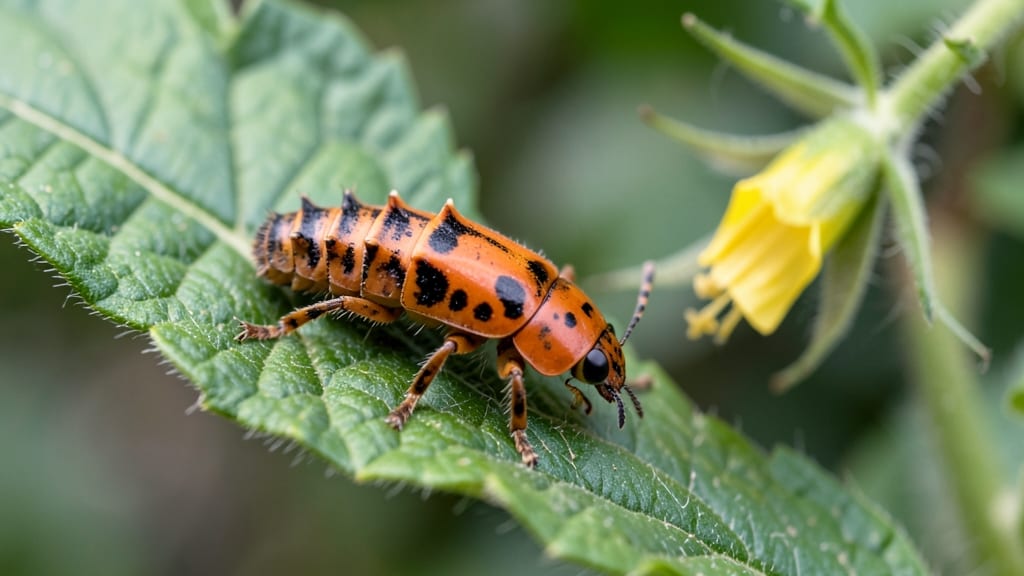
Your tomato plants are covered in aphids, and the sticky mess is ruining your harvest. 🌱 I’ve battled these tiny pests for years, and I’ve found the spray-and-eliminate method that works in under 10 minutes—no harsh chemicals needed.
The key is combining mechanical removal with organic sprays to break their life cycle fast.
Look for clusters of tiny green or black bugs on new growth, curled leaves, or that telltale sticky residue called honeydew. Most gardeners panic and reach for chemical sprays, but aphids respond instantly to soapy water or neem oil—both safe for your plants and the ecosystem.
I’ve even seen ladybugs arrive within days of treating my plants, turning the battle into a natural cleanup crew.
By following this method, you’ll see aphids disappear within 3-5 days, and your tomato plants will bounce back with fresh, healthy growth. The best part? This approach prevents future infestations by strengthening your plants’ natural defenses. No more wilting leaves or lost harvests—just thriving tomatoes.
Works for container gardens, raised beds, and in-ground plants alike. Whether you’re dealing with a small cluster or a full-blown invasion, this solution keeps your garden chemical-free and your tomatoes productive all season long.
Root Causes of Tomato Plant Aphids
Aphids don’t just randomly appear on your tomato plants—they’re drawn by a mix of environmental, biological, and even human factors. Understanding these triggers is the first step toward preventing and eliminating them. Let’s break down the key reasons why these tiny pests invade your garden.
Aphids thrive on weak, stressed, or overcrowded tomato plants because they provide an easy food source and shelter. Here’s why this happens:
- Poor Air Circulation – When tomato plants are too close together, humidity builds up, creating a damp environment that aphids love.
Stagnant air also makes it harder for natural predators (like ladybugs) to patrol the area. - Nutrient Deficiencies – Plants that lack essential nutrients (especially nitrogen, phosphorus, or potassium) produce weak, tender growth.
Aphids prefer this soft tissue because it’s easier to pierce and feed on. - Water Stress – Overwatering or underwatering weakens plants, making them more susceptible to aphid attacks. Consistent moisture levels (about 1–1.5 inches per week) help keep tomatoes strong and resilient.
Actionable Fix: Prune your tomato plants to improve airflow, space them 18–24 inches apart, and ensure they receive balanced fertilizer (look for a 5-10-10 or 10-10-10 ratio).
Aphids are particularly drawn to new shoots, buds, and leaves because they’re rich in sugars and nutrients. Here’s the science behind it:
- Sap Richness – Young plant tissue has higher sugar content, which aphids crave. Their mouthparts (stylets) pierce the plant to suck out this sweet sap, leaving behind sticky honeydew. - Volatile Organic Compounds (VOCs) – New growth emits chemical signals that aphids detect from afar.
These compounds act like an all-you-can-eat buffet sign for them. - Soft Tissue – Mature leaves are tougher, but tender new growth is easy pickings. Aphids can multiply rapidly on these vulnerable spots.
Actionable Fix: Regularly prune suckers (side shoots) and spent flowers to reduce aphid hotspots. If you notice aphids clustering on new leaves, isolate the plant or treat it immediately.
Aphids don’t always dominate—when their predators are present, they keep populations in check. But if these natural enemies are missing, aphids explode in numbers. Common predators include:
| Predator | How They Help | Why They Might Be Absent |
|---|---|---|
| Ladybugs | Eat 50+ aphids per day; larvae are even more voracious. | Pesticide use, lack of habitat (e.g., no flowering plants). |
| Lacewings | Larvae devour aphids; adults pollinate flowers. | Monoculture gardens (no diversity for food/shelter). |
| Parasitic Wasps | Lay eggs inside aphids; larvae consume them from within. | Overuse of broad-spectrum insecticides. |
| Birds & Spiders | Peck at aphids or weave webs to trap them. | Urban gardens with few hiding spots or food sources. |
Actionable Fix: Plant companion flowers like dill, marigolds, or alyssum to attract predators. Avoid chemical pesticides, which can harm these helpers.
Aphids love warm, humid climates with mild winters—conditions that many gardeners in temperate zones provide unintentionally.
- Temperature Range – Aphids thrive between 50–85°F (10–30°C).
If your garden stays in this range year-round (or has mild winters), they can reproduce every 7–10 days without pause. - Humidity & Rain – High humidity keeps aphids hydrated, while light rain can wash away natural predators but leave aphids unharmed (they cling tightly to plants). - Drought Stress – While aphids dislike extreme heat, drought-stressed plants produce more sugars in their sap, making them even more appealing.
Actionable Fix: If possible, grow tomatoes in partial shade during peak summer heat. Use mulch to retain moisture without overwatering, and avoid overhead irrigation to prevent fungal issues that stress plants.
Sometimes, well-meaning gardeners accidentally create aphid paradise. Here’s how:
- Over-Fertilizing with Nitrogen – Too much nitrogen promotes lush, soft growth that aphids adore. A balanced fertilizer (e.g., 10-10-10) is better than heavy nitrogen alone. - Bringing Infested Plants Home – Aphids often hitchhike on new plants, garden tools, or even wind-blown debris.
Always quarantine new additions for a few days. - Ignoring Weeds – Many weeds (like cleavers or plantain) host aphids. These pests then migrate to your tomatoes when the weeds are disturbed (e.g., during weeding). - Using Synthetic Pesticides – These can kill beneficial insects first, leaving aphids unchecked.
Opt for neem oil or insecticidal soap instead.
Actionable Fix: Inspect new plants under leaves before bringing them home. Pull weeds regularly, and if you must use pesticides, choose aphid-specific sprays that don’t harm predators.
Quick Fixes for Aphid-Infested Tomatoes
Now that you know why aphids are crashing your tomato party, let’s tackle them head-on with effective, garden-friendly solutions—no harsh chemicals required! Below, we’ve mapped the most common causes to the best fixes, plus prevention tips to keep those tiny pests from returning. Ready to reclaim your tomato plants?
Aphids love hiding in dense foliage where airflow is poor. If your tomato plants are packed too tightly: - 🌱 Prune strategically: Remove lower leaves (especially those touching the soil) and thin out overcrowded stems.
Aim for 6–8 inches of space between plants. - 🌿 Stake or cage: Support vining tomatoes with stakes or cages to improve airflow and make it harder for aphids to nest. - 💡 Pro tip: Prune in the early morning when aphids are least active, and dispose of clippings in a sealed bag (not the compost!).
Aphids target plants that are already struggling—whether from poor soil, drought, or nutrient deficiencies. - 💦 Water deeply (but less often): Aim for 1–1.5 inches of water per week, focusing on the soil (not the leaves).
Wet foliage attracts aphids! - 🌱 Feed with compost or balanced fertilizer: Use a low-nitrogen, high-phosphorus fertilizer (like 5-10-10) to strengthen roots and foliage. - 🌡️ Mulch heavily: Apply 2–3 inches of organic mulch (straw or shredded leaves) to retain moisture and regulate soil temperature.
If you’ve spotted aphids, act immediately—they reproduce faster than you can say “blight.” Try these spray-and-eliminate methods:
1. 🔥 Blast Them Away (Physical Removal)
- 💦 Strong water spray: Use a hose with a gentle nozzle to dislodge aphids from leaves and stems.
Do this early in the day so plants dry quickly. - 🕷️ Introduce ladybugs or lacewings: These natural predators eat aphids voraciously. Buy them online or attract them with dill or fennel plants nearby.
2. 🍳 Homemade Sprays (Non-Toxic & Effective)
Mix one of these in a spray bottle and apply early morning or late evening (avoid direct sun to prevent leaf burn):
| Ingredient | How to Mix | How Often |
|---|---|---|
| Soap spray | 1 tbsp mild castile soap + 1 quart water | Every 3–4 days |
| Neem oil | 1 tbsp neem oil + 1 tsp soap + 1 quart water | Weekly (rotating crops) |
| Garlic spray | Blend 2 garlic cloves + 1 quart water, strain, add 1 tsp soap | Every 5–7 days |
| Chili pepper spray | 2 tbsp hot pepper flakes + 1 quart water, steep 24 hrs, strain | Every 5 days |
⚠️ Test sprays on a few leaves first—some plants (like basil) are sensitive to soap.
3. 🔪 Severe Infestations? Use Insecticidal Soap
If aphids are everywhere, grab a store-bought insecticidal soap (like Safer® Brand). Spray until leaves are wet, focusing on the undersides where aphids hide. Reapply every 5–7 days until gone.
Once you’ve banished aphids, lock them out with these long-term strategies:
- 🌿 Plant companion crops: Aphids hate the scent of basil, marigolds, or onions.
Interplant these near tomatoes. - 🌱 Rotate crops: Avoid planting tomatoes (or other nightshades) in the same spot yearly—aphids and their eggs linger in old soil. - 🐝 Support pollinators: Bees and wasps naturally control aphid populations.
Plant bee-friendly flowers like lavender or sunflowers. - 🍃 Inspect new plants: Before bringing home seedlings or transplants, rinse them under cool water and quarantine for 2 weeks.
✅ Water at the base (never overhead). ✅ Prune regularly to improve airflow. ✅ Use reflective mulch (like aluminum foil) to deter aphids. ✅ Encourage birds with a shallow birdbath nearby. ✅ Harvest early—ripe tomatoes are less appealing to pests!
Remember: Consistency is key! Aphids may return if you stop treatments early. Check your plants weekly during growing season, and your tomatoes will stay lush, pest-free, and ready for harvest! 🍅💪
Frequently asked questions
Why are my tomato plants suddenly covered in aphids?
Aphids thrive on stressed plants—look for overcrowding, poor airflow, or nutrient deficiencies. They also love new growth because it's rich in sugars. Check for curled leaves or sticky residue (honeydew), which are classic signs. Weak plants attract these pests like a buffet!
Can I use dish soap to kill aphids on tomato plants?
Yes! Mix 1 tablespoon mild dish soap with 1 quart water in a spray bottle. Apply directly to aphids, focusing on undersides of leaves. Reapply every 3-4 days until gone. Just test a small area first—some plants are sensitive to soap.
How long does it take for neem oil to work on aphids?
Neem oil disrupts aphid life cycles, but results take 3-5 days of consistent use. Mix 1 tablespoon neem oil + 1 teaspoon soap + 1 quart water and spray thoroughly. For severe infestations, combine with physical removal (like blasting with water) for faster results.
Will aphids come back after I treat my tomato plants?
Yes, if you don't address the root causes! Aphids often return if plants remain stressed or predators (like ladybugs) aren't present. Strengthen your tomatoes with proper spacing, balanced fertilizer, and companion plants (like marigolds). Check weekly during growing season to catch them early.
Can I eat tomatoes from plants that had aphids?
Aphids don't make tomatoes unsafe to eat—they're more annoying than dangerous. Just wash tomatoes thoroughly before eating. The real risk comes from chemical pesticides, not aphids themselves. Your harvest is safe if you used organic treatments!