
How To
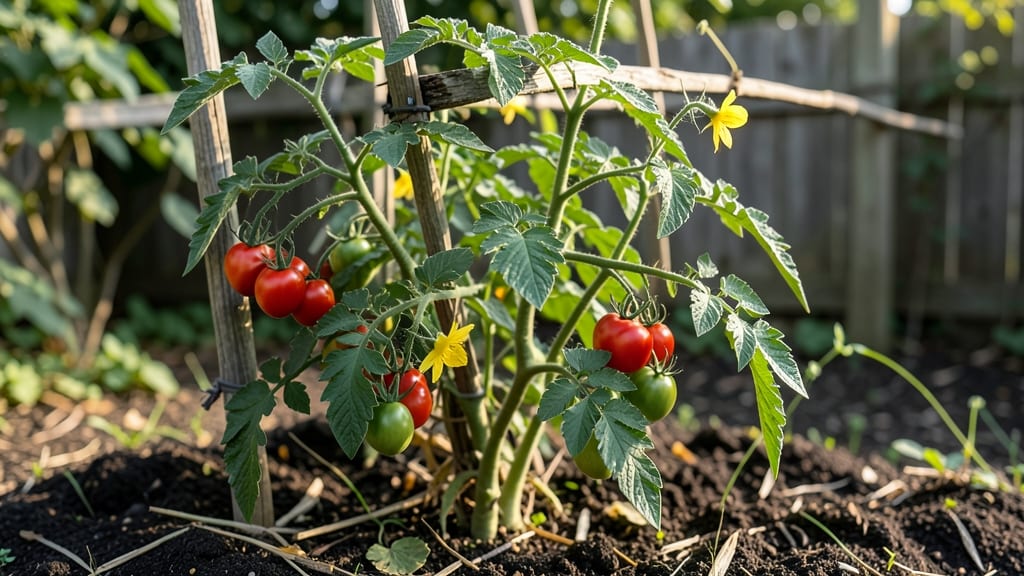
Tomato plants can grow anywhere from 1 to 10 feet tall, depending on the variety and care you give them—some sprawl like vines while others stay neatly bushy.
If you’ve ever wondered why your tomato plants seem to reach for the sky like overzealous toddlers—or how to control their growth without sacrificing fruit—you’re in the right place. The difference between a 3-foot patio tomato and a 10-foot towering vine comes down to genetics, pruning, and support.
Determinate varieties like 'Tiny Tim' top out around 2 feet, perfect for containers, while indeterminate giants like 'Brandywine' can climb 12 feet or more if left unchecked. Without proper training, those towering plants risk breaking under their own weight—or worse, snapping in a storm.
In this guide, I’ll break down the height ranges by variety, share pruning secrets to keep your plants in check, and show you how to support even the tallest tomatoes without losing a single fruit to flopping or disease.

Tomato plant height by variety: from compact dwarfs to towering giants
Tomatoes aren’t one-size-fits-all when it comes to height. Some varieties stay as compact as bushes, while others climb like jungle vines, reaching heights that’ll make your garden fence look like a toddler’s block tower.
The difference? Two main growth habits: determinate (bush tomatoes) and indeterminate (vining tomatoes). Understanding these will help you plan your garden layout, choose the right support, and avoid overcrowding disasters.
Determinate tomatoes grow to a predictable height, stop flowering once they hit maturity, and produce fruit all at once. Indeterminate varieties? They keep growing, keep producing, and can stretch 10+ feet if left unchecked.
This means your Sungold cherry tomatoes might need a trellis, while your Roma paste tomatoes could thrive in a container. Let’s break down the height spectrum so you can pick the perfect fit for your space and goals.
If you’re working with determinate varieties, like 'Roma' or 'Celebrity', their compact size makes them ideal for containers or tight garden beds. These plants focus their energy on producing fruit all at once, which is perfect if you’re planning to can sauces or freeze a harvest.
However, their short stature means you won’t get a prolonged harvest—once they stop flowering, their fruit production tapers off.
On the flip side, indeterminate tomatoes like 'Sungold' or 'Brandywine' are the marathon runners of the tomato world. They keep growing and producing fruit until frost, but their uncontrolled height can become a problem if you don’t provide support.
Without proper training, these vines can sprawl across your garden, shading other plants and making fruit hard to reach. That’s why trellises, cages, and stakes are non-negotiable for these varieties.
Here’s a pro tip: Dwarf varieties like 'Tiny Tim' are perfect for balcony gardens or hanging baskets, while taller indeterminate types thrive when vertically trained. For example, a 6-foot trellis can support 'Sungold' cherry tomatoes, freeing up valuable ground space for other crops.
And if you’re short on vertical room? Consider bush varieties that stay under 3 feet—they’re just as productive without the extra reach.
Another factor to consider is fruit weight. Heirloom varieties like 'Beefsteak' or 'Cherokee Purple' produce large, heavy fruits that require stronger support to avoid snapping stems. These giants need sturdy trellises or
Controlling your tomato plant height starts with understanding its growth habit. Indeterminate varieties like 'Sungold' can grow 6-10 feet or taller if left unchecked, while determinate types like 'Roma' max out at 3-5 feet. Pruning isn't about cutting back growth—it's about directing energy where you want it: to fruit production and air circulation. For indeterminate tomatoes, regular pruning encourages vertical growth while preventing disease. The key is removing suckers—those little shoots that form in the leaf axils—while preserving the plant's main stem and branches. This technique keeps your plants taller but healthier, with more energy going to fruit rather than foliage. ⚠️ WARNING: Pruning Mistakes That Stunt Growth Removing too much foliage can reduce photosynthesis, weakening your plant. Over-pruning also exposes fruit to sun scald and invites pests. The golden rule: Never remove more than 20% of the plant at once, and always leave 3-4 leaves above each fruit cluster. Timing matters too—prune in the morning when wounds heal faster, and avoid pruning during hot afternoons or rainy weather. Start pruning when your plants are 12-18 inches tall, focusing on the lower suckers first. These are the shoots growing between the main stem and branches. For determinate tomatoes, minimal pruning is best—just remove yellow or diseased leaves to improve airflow. These bushy types produce most of their fruit at once, so aggressive pruning can reduce yield. Training vines for vertical growth is another game-changer. Use tomato cages, trellises, or bamboo stakes to guide plants upward. As you prune, tie the main stem to the support every 12-18 inches to prevent flopping. This not only saves space but also makes harvesting easier and reduces soil-borne diseases by keeping foliage off the ground. Watch for common pruning pitfalls like leaving too many branches or pruning too late in the season. Late pruning can delay fruiting, while overcrowded branches trap moisture, leading to blight. Always sterilize your pruners with rubbing alcohol between cuts to prevent spreading disease. With the right approach, you can keep your tomato plants tall and productive without sacrificing a single tomato. Pro tip: Prune early and often—weekly checks during peak growth keep your plants in check. The goal is balance: enough foliage for energy, but not so much that it chokes your fruit. When done right, your tomatoes will reach their full potential while staying healthy and disease-free. 🌱Pruning secrets to control tomato plant height without sacrificing fruit