
How To
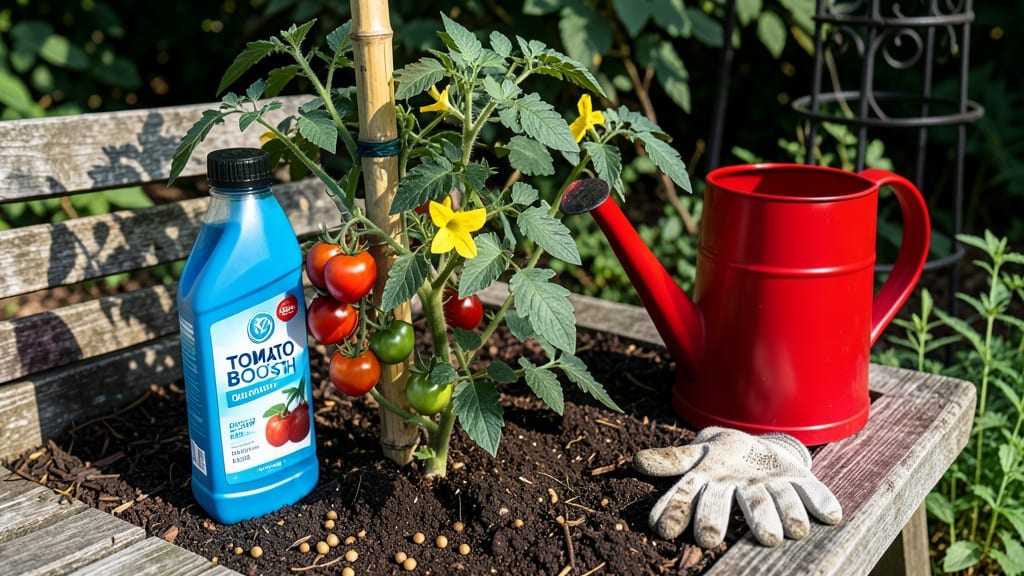
Tomato plants should be fertilized every 2–4 weeks during their growing season to fuel strong roots, lush foliage, and heavy fruit production—but timing and type matter just as much as frequency.
Struggling to balance tomato plant care? Over-fertilizing can stunt growth, while under-fertilizing leaves your plants starving for nutrients—both lead to poor yields. The key lies in a soil-test-driven fertilization schedule tailored to your garden’s specific needs.
Most gardeners default to a monthly feeding routine, but your 🍅 plants’ needs shift dramatically from seedling to flowering to fruiting stages. A light feed at transplanting gives them a gentle start, while a phosphorus-rich boost during flowering ensures blossoms turn into fruit.
In this guide, I’ll break down the exact schedule by growth phase, how to spot over- or under-feeding, and when to stop fertilizing before frost. No guesswork—just science-backed tips to maximize your harvest.
Soil test-based fertilization frequency for tomato plants
Determining the right fertilization frequency for your tomato plants starts with a soil test. Unlike generic advice, soil tests reveal your garden’s N-P-K levels—nitrogen, phosphorus, and potassium—which directly impact how often you should feed your plants.
Without testing, you risk over-salination or nutrient burn, which can kill your tomatoes faster than a late frost. My garden’s soil, for example, tested high in nitrogen but low in phosphorus, so I adjusted my schedule to prioritize phosphorus-rich fertilizers during flowering.
Most garden centers offer affordable soil test kits, or you can send samples to your local Cooperative Extension Service. The results will show your soil’s current nutrient balance, helping you avoid the common mistake of fertilizing blindly.
For instance, if your soil is already rich in nitrogen, you’ll want to reduce high-nitrogen feeds to prevent leafy growth at the expense of fruit. Tomato plants thrive when their nutrient needs align with their growth stages, so a soil test is your first step toward precision gardening.
| Soil Test Result | Fertilization Frequency | Recommended NPK Ratio | Notes |
|---|---|---|---|
| Low Nitrogen (<50 ppm) | Every 2 weeks (spring/summer) | 10-5-5 or 8-3-9 | Use nitrogen-rich fertilizers like blood meal or fish emulsion. |
| Balanced N-P-K (50-150 ppm each) | Every 3-4 weeks (spring-fall) | 5-10-10 or 7-7-7 | Ideal for most tomato varieties; rotate organic and synthetic. |
| High Phosphorus (>120 ppm) | Every 4-6 weeks (focus on flowering) | 0-20-20 or bone meal | Reduce phosphorus to avoid stunted growth; use compost. |
| Low Potassium (<100 ppm) | Every 2 weeks (late summer) | 3-5-10 or greensand | Critical for fruit development; avoid potassium chloride if soil is already high in salt. |
| pH Below 6.0 (Acidic) | Adjust pH first; fertilize after | Lime + 5-5-5 | Tomatoes prefer pH 6.2-6.8; amend soil before fertilizing. |
Once you have your soil test results, the next step is to match your fertilization schedule to your tomato plants’ growth stages. For example, seedlings need minimal feeding—just a light dose of starter fertilizer when transplanted.
As they transition to vegetative growth (6-8 inches tall), I switch to a balanced 5-10-10 fertilizer every 2-3 weeks. This timing ensures they don’t waste energy on excessive foliage before setting fruit. Skipping this step often leads to lanky, unproductive plants with few tomatoes.
During the flowering stage, phosphorus becomes critical for blossom development. If your soil test shows low phosphorus, I recommend a phosphorus boost like bone meal or a 0-20-20 fertilizer.
Apply this every 4-6 weeks, but avoid overdoing it—too much phosphorus can cause nutrient lockout, where plants can’t access other essential minerals. My heirloom tomatoes flourished when I adjusted my schedule to prioritize phosphorus during this phase, resulting in heavier fruit set and fewer dropped blossoms.
As your tomatoes enter the fruiting stage, they’ll demand more potassium and calcium to prevent issues like blossom-end rot. If your soil test indicates low potassium, switch to a low-nitrogen, high-potassium fertilizer like 3-5-10.
I also add crushed eggshells for calcium, which I mix into the soil at the base of the plant. This dual approach ensures your tomatoes get the nutrients they need without overwhelming the soil.
Timing is key here—fertilize in the early morning to allow nutrients to absorb before the heat of the day.
One of the biggest mistakes I’ve seen (and made!) is over-fertilizing late in the season. When tomatoes are nearing harvest, they need to harden off and prepare for dormancy.
Fertilizing too close to the first frost can lead to soft, watery fruit or even delayed ripening. My rule of thumb is to stop fertilizing 4-6 weeks
Optimal fertilization schedule by tomato plant growth stage
Tomato plants thrive when fed at the right time—too early or too late can reduce yields. The key is matching fertilization to each growth stage, from seedling to harvest.
Over-fertilizing young plants causes nutrient burn, while skipping feeds during fruiting stunts production. Let’s break down the perfect schedule for each phase, including organic vs. synthetic options.
For seedlings (0–6 weeks), focus on gentle feeding. Young roots are delicate, so use a low-nitrogen starter fertilizer (like 5-5-5) or diluted compost tea. Avoid heavy doses—this is the time to build root strength, not fruit.
Organic options like fish emulsion (diluted to 1 tbsp per gallon) work well, while synthetic fertilizers should be half-strength.
During flowering (6–8 weeks), phosphorus becomes critical. Switch to a balanced or phosphorus-heavy fertilizer (10-10-10 or 5-10-5). This stage demands energy for blossoms and early fruit set. Organic gardeners can use bone meal or rock phosphate, while synthetic users might opt for a tomato-specific formula.
Feed every 2–3 weeks—but only if new growth is active.
Here’s a quick comparison to help you decide when and how to fertilize:
✅ Organic Fertilizers
- Pros: Improves soil health, slow-release nutrients, no burn risk
- Cons: Requires more frequent application, slower results
❌ Synthetic Fertilizers
- Pros: Fast nutrient delivery, precise NPK ratios, easy to measure
- Cons: Risk of over-fertilization, soil degradation over time
🌱 Stage-Specific Feeding
| Stage | Frequency | Recommended Fertilizer |
|---|---|---|
| Seedling (0–6 wks) | Every 4–6 weeks | 5-5-5 or compost tea |
| Flowering (6–8 wks) | Every 2–3 weeks | 10-10-10 or bone meal |
| Fruiting (8–12 wks) | Every 2 weeks | 5-10-10 or fish emulsion |
| Harvest (12+ wks) | Stop feeding | None (focus on water) |
The fruiting stage (8–12 weeks) is when tomatoes demand the most nutrients. Use a low-nitrogen, high-phosphorus fertilizer (like 5-10-10) to support fruit development. Organic options include kelp meal or worm castings, while synthetic users might prefer a tomato booster.
Feed every 2 weeks, but reduce if plants show signs of stress (like yellowing leaves).
Once harvest begins (12+ weeks), stop fertilizing entirely. Your plants are directing energy to fruit production, not new growth. Focus on watering and pruning to maximize yields. Over-fertilizing now can lead to blossom-end rot or cracked tomatoes. Save any remaining fertilizer for next season’s soil prep.
Pro tip: Always fertilize in the morning after watering to prevent root burn. And if your soil is already rich (test it!), you may need half the recommended dose. Happy growing—your tomato harvest will thank you! 🍅