
Companion Plants
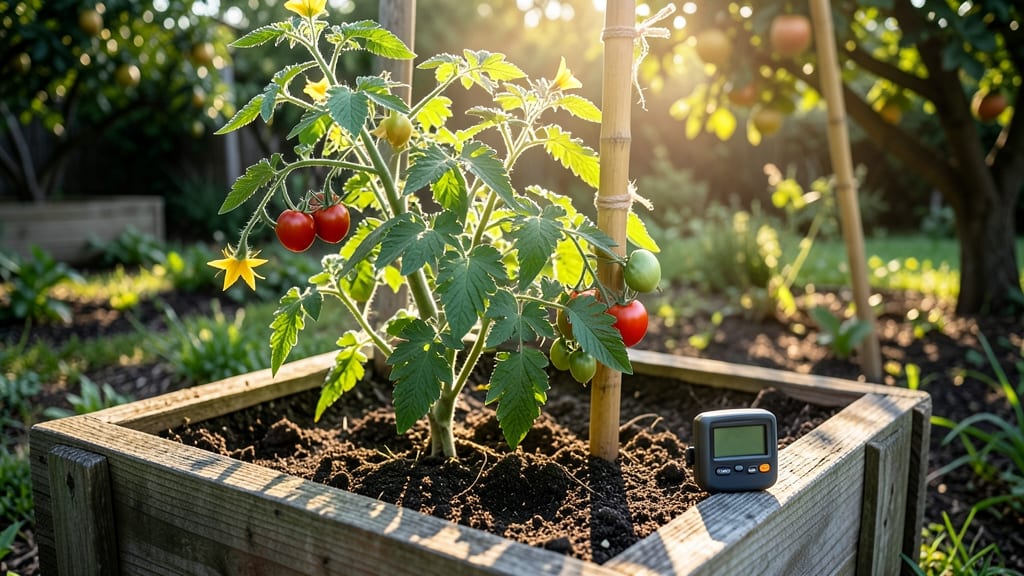
Tomato plants need sunlight to thrive—6 to 8 hours of direct light daily is the sweet spot for juicy, flavorful fruit.
If your 🍅 plants are struggling to produce fruit—or worse, yielding bitter, small tomatoes—sunlight might be the missing piece. Without enough light, tomatoes won’t ripen properly, and your hard work could go to waste.
This isn’t just about survival; it’s about maximum production. Too little sun leads to leggy stems, weak roots, and poor fruit set, while just the right amount turns your garden into a high-yielding powerhouse.
Here’s how to give your tomatoes the perfect light conditions—whether you’re growing them in the ground or containers—and spot the warning signs before they hurt your harvest.

How many hours of sunlight tomato plants need for optimal growth
Tomatoes are sun-worshippers—without enough direct sunlight, they’ll struggle to grow strong stems, develop flavorful fruit, or even set fruit at all. The minimum sunlight requirement for tomatoes is 6 hours of full sun daily, but most gardeners see the best results with 8 to 10 hours.
This isn’t just about quantity, though; it’s also about light intensity and how sunlight impacts photosynthesis, which fuels fruit production.
Sunlight isn’t a one-size-fits-all need—it changes as your tomato plants grow. Seedlings need gentle, indirect light to avoid burning, while mature plants crave intense, direct rays to ripen fruit efficiently. Even a few hours less than ideal can lead to small, watery tomatoes or poor yields.
Let’s break down the science and how to meet your tomatoes’ sunlight cravings at every stage.
Why sunlight matters: Tomatoes convert sunlight into energy through photosynthesis, which directly affects fruit size, sweetness, and color development. Without enough light, plants divert energy to leaf growth instead of fruiting, leaving you with lush foliage but few tomatoes. In extreme cases, they may even drop flowers before they turn into fruit.
Climate plays a huge role in how you meet your tomatoes’ sunlight needs.
In hot, dry zones (like Arizona or Southern California), afternoon shade can prevent sunburn and conserve water, while in cooler climates (like the Pacific Northwest), tomatoes may need supplemental grow lights to hit the 8-hour mark, especially in cloudy summers.
Even a few degrees difference can shift your plants’ sunlight requirements—think of it like adjusting the thermostat for optimal comfort.
Here’s a pro tip: Observe your garden’s microclimates. A spot that gets 6 hours of sun in June might drop to 4 hours in September as the sun arcs lower.
Use a sunlight tracker app or mark your garden with stakes to map out which areas get the most light. This helps you place heat-loving varieties (like 'Celebrity' or 'Better Boy') in the sunniest spots and shade-tolerant types in partially shaded areas.
Sunlight also affects tomato flavor. Studies show that tomatoes grown with full sun exposure develop higher sugar content and deeper red color due to increased photosynthesis. Without enough light, tomatoes can taste watery or bland, even if they’re ripe.
If you’re growing tomatoes for sauces or sun-dried slices, prioritize the sunniest location in your garden—it’s worth the effort for that restaurant-quality taste.
For container gardeners, location flexibility is key. Place pots on south-facing decks, balconies, or rooftops to maximize sunlight. If your space only gets morning sun, rotate containers every few days to ensure even exposure.
Remember, tomatoes in containers dry out faster, so they need more frequent watering—but never at the expense of sunlight. A self-watering pot can help balance both needs.
One common mistake is assuming more sun is always better. In extreme heat (above 90°F/32°C), tomatoes can shut down flower production to conserve energy.
If you’re in a hot climate, use lightweight shade cloth (30-50% shade) during peak afternoon hours to protect plants without sacrificing too much light. This trick works wonders in USDA zones 9-11 where tomatoes often struggle with heat stress.
Finally, pruning nearby obstacles can make a surprising difference. Tall trees, fences, or even your neighbor’s house can block critical sunlight hours. Trim back overgrowth in early spring before your tomatoes start flowering. If you’re dealing with permanent shade (like under a large oak
Signs your tomato plants aren’t getting enough sunlight (and how to fix it)
If your tomato plants look leggy with long stems and few leaves, sunlight deficiency might be the culprit. Tomato plants need 6-8 hours of full sun daily to thrive, and when they don’t get enough, their growth patterns change dramatically.
I’ve seen my own plants stretch toward the nearest light source like sunflowers chasing the sun—this is their way of begging for more exposure!
Another red flag is poor fruit set. If your tomato plants are flowering but producing tiny, bitter tomatoes or no fruit at all, insufficient sunlight is likely the issue.
Sunlight triggers the photosynthesis process that fuels fruit development, so without it, your plants simply can’t produce the energy they need. Even worse, you might notice yellowing leaves, especially on the lower stems, which is a classic sign of chlorosis caused by weak sunlight.
Without 6+ hours of direct sunlight daily, your plants will:
- Stunt growth (leggy, weak stems)
- Fail to fruit (or produce bitter, small tomatoes)
- Develop yellow leaves (chlorosis from weak photosynthesis)
- Become susceptible to pests and diseases (weakened immunity)
If you’re in an area with extreme heat, you might need to provide afternoon shade to prevent sunburn, but even then, morning sun is critical. I once grew tomatoes in a partially shaded patio and ended up with blossom end rot—a classic sign of stress from inconsistent light.
The solution? A lightweight shade cloth (30-50% block) during peak afternoon hours can save your plants while still allowing enough light for growth.
For container-grown tomatoes, position pots where they get the most sun—even if it means moving them throughout the day.
South-facing windowsills or balconies are ideal, but if you’re limited to 4-6 hours of sun, choose determinate varieties (like 'Roma' or 'Celebrity') that tolerate slightly less light better than their indeterminate cousins (like 'Beefsteak' or 'Cherry').
One quick fix I swear by is pruning nearby plants or structures that might be blocking sunlight. Even a 6-inch difference in height can mean the difference between a bountiful harvest and a disappointing one.
If you’re dealing with dense foliage from other plants, thin them out to let sunlight reach your tomatoes. And if all else fails, consider grow lights—a 12-hour photoperiod can supplement natural light during cloudy days or short winter seasons.
Remember, tomatoes are sun worshippers—they’ll reward you with juicy, flavorful fruit when given the right conditions. Start by assessing their current light exposure, then adjust gradually. Your plants (and your taste buds!) will thank you. 🌱