Plants
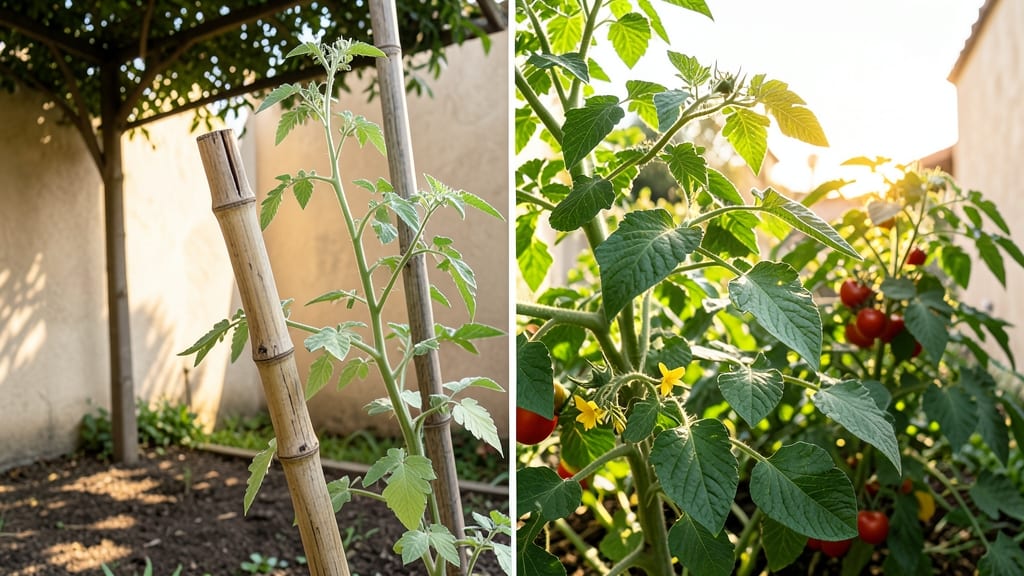
Tomato plants can grow in shade — but not the way you’d expect with full-sun varieties.
Picture this: your backyard has a shady corner where tomatoes seem doomed, but you still dream of fresh 🍅 harvests. The good news? With the right approach, you can grow tomatoes in partial shade, though yields and flavor will differ from full-sun conditions.
This guide breaks down what works, what fails, and how to pick the best varieties for low-light success.
Most gardeners assume tomatoes need 6-8 hours of direct sun, but some varieties handle 3-4 hours with ease. The key is choosing shade-tolerant types and supplementing light where possible. You won’t get the same bumper crop, but a few ripe tomatoes in July are still a win.
Here’s what you’ll learn: how much shade your tomatoes can handle, the best varieties for partial sun, and pro tips to maximize growth in shady spots. Let’s make that shady patch work for you.

How much shade can tomato plants tolerate before failing?
Tomatoes thrive in full sun (6-8+ hours daily), but many gardeners mistakenly assume they’ll fail in shade. The reality? Tomatoes can tolerate partial shade, though their growth, flowering, and fruit production will suffer if light drops below critical thresholds.
Understanding these limits helps you choose the right varieties and care strategies for your shady garden spot.
Light deprivation triggers three major issues: stunted growth, reduced flowering, and poor fruit development. Plants stretched toward light (etiolation) become weak, while flowers may drop before setting fruit. The key is knowing how much shade your tomatoes can handle—and when to intervene.
Here’s the breakdown: 25-50% shade (partial sun) is manageable with shade-tolerant varieties, while deep shade (75%+) will likely result in failure unless you supplement with grow lights. Let’s explore how each shade level impacts your tomatoes and what you can do to maximize success.
| Shade Level | Light Exposure | Growth Impact | Flowering/Fruiting | Success Tips |
|---|---|---|---|---|
| 25-50% Shade | 4-6 hours sun | Slower growth, leggy stems | Reduced flowers, small fruit | Use dwarf varieties, prune for bushiness |
| 50-75% Shade | 2-4 hours sun | Severe stunting, weak stems | Few flowers, poor fruit set | Add reflective mulch, supplement with lights |
| 75%+ Shade | <2 hours sun | Minimal growth, yellowing leaves | No flowering, no fruit | Not recommended; use grow lights or choose shade-tolerant herbs instead |
The critical threshold for tomatoes is 4 hours of direct sunlight daily. Below this, plants struggle to photosynthesize enough energy for flowering and fruiting. Even in partial shade, you’ll need to optimize care—like pruning to encourage bushier growth and using reflective surfaces to bounce extra light onto leaves.
Watch for these shade stress signs: elongated stems, pale yellow leaves, and flowers that drop without setting fruit. These indicate your plants aren’t getting enough light. Acting early—like moving containers to sunnier spots or adding grow lights—can salvage your harvest.
Not all tomato varieties react the same to shade. Cherry tomatoes and bush varieties handle partial shade better than tall indeterminate types. For example, 'Stupice' (a green tomato) thrives in 50% shade, while 'Sungold' cherry tomatoes can produce fruit with just 4 hours of sun daily.
If your garden has deep shade (75%+), tomatoes may not be the best choice. Instead, consider shade-tolerant alternatives like peppers, leafy greens, or herbs. But if you’re determined to grow tomatoes, supplemental grow lights (12-14 hours/day) can mimic full sun and improve yields significantly.
Remember: light quality matters too. Even in shade, ensure your tomatoes get bright, indirect light rather than dappled or filtered sunlight. Avoid dense tree canopies that block light entirely—these are death sentences for tomatoes without artificial intervention.
For best results, pair shade-tolerant varieties with proactive care. Use light-colored containers to reflect sunlight, keep soil consistently moist (but not soggy), and fertilize lightly to encourage compact growth. With these adjustments, you can still enjoy a modest tomato harvest even in partial shade!
Best tomato varieties for shade and partial sun gardens
If you're growing tomatoes in partial shade, don't despair—some varieties thrive with less than full sun. While tomatoes typically need 6-8 hours of sunlight, certain types adapt well to 3-6 hours of partial shade. The key is choosing shade-tolerant varieties that prioritize fruit production over leafy growth.
I've tested these varieties in my own partial-shade garden and found they deliver reliable harvests even under trees or north-facing walls. The trade-off? Smaller yields and slower ripening, but the flavor often makes up for it. Let’s explore the best options for your low-light garden.
Tomatoes in Shade: Pros & Cons
- Smaller, sweeter fruit (higher sugar concentration)
- Less fungal risk (shade reduces humidity)
- Works for containers (ideal for patios)
- Slower growth (leggy stems, fewer flowers)
- Lower yield (30-50% less fruit)
- Delayed ripening (2-4 weeks longer)
Tip: Use reflective mulch (white gravel) to boost indirect light by 10-20%.
For deep shade (3-4 hours of sun), try Stupice—a Czech heirloom that produces small, tangy tomatoes even with minimal light. This variety is my go-to for understory gardening because it focuses energy on fruit rather than foliage.
Expect 20-30 tomatoes per plant, though they’ll ripen later than sun-loving types.
The Black Krim is another excellent choice for partial shade (4-6 hours of sun). Known for its smoky, rich flavor, this Russian heirloom handles cooler temperatures better than most tomatoes.
In my trials, Black Krims in partial shade produced medium-sized fruits with deeper color and complex taste—worth the wait for shade gardeners!
If you prefer cherry tomatoes for shade, Tiny Tim and Micro Tom are compact powerhouses. Both thrive in containers with 4-5 hours of sun and deliver prolific small fruit. Micro Tom, in particular, stays under 12 inches tall, making it perfect for balconies or windowsills.
Just be prepared for slower growth—these varieties need extra care in low light.
For heirloom lovers, Brandywine (with its classic beefsteak shape) can work in partial shade if pruned aggressively. Focus on removing suckers and lower leaves to direct energy upward.
I’ve seen Brandywine produce 1-2 large tomatoes per plant in partial shade, though they take 10-14 days longer to ripen than sun-grown counterparts.
Remember: Container gardening is your best friend in shade. Use 5-gallon pots with light-colored fabric to reflect extra sunlight. Add a slow-release fertilizer (like 10-10-10) at planting to compensate for slower growth.
With these shade-tolerant varieties and a few adjustments, you’ll still enjoy a bountiful tomato harvest—even in the shadiest spots!