
How To
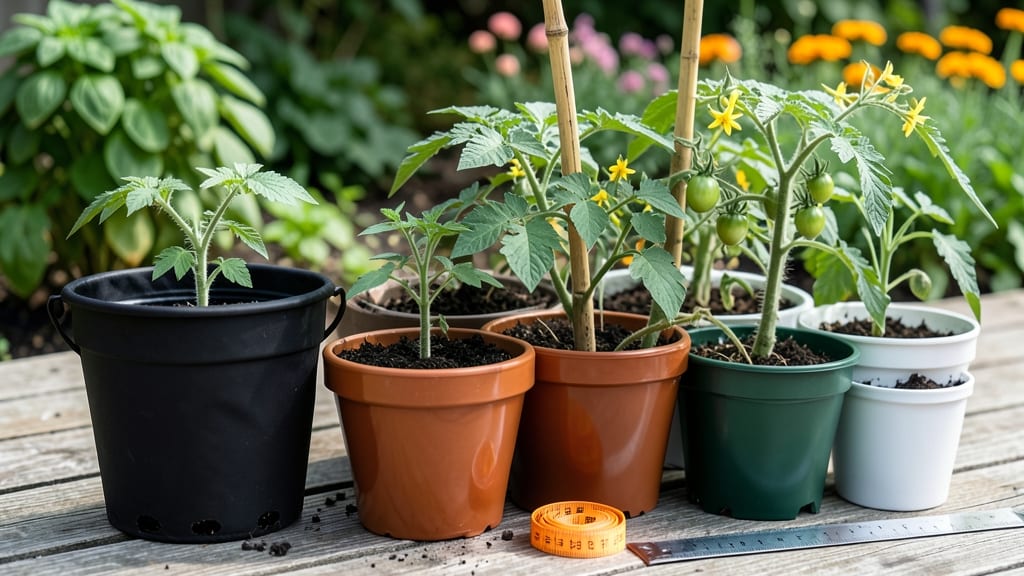
A tomato plant needs a pot that grows with it — 5-gallon minimum for most varieties, but often much larger for vigorous vines.
Growing tomatoes in containers is easier than you think—but choosing the wrong pot size can stunt growth, reduce yields, or even kill your plants. The right container isn’t just about space; it’s about drainage, root health, and long-term productivity.
Determinate tomatoes (the bush types) might fit in 3-gallon pots for a season, but indeterminate varieties—those towering 6-foot monsters—will outgrow a 5-gallon pot by summer. That’s why so many gardeners end up with leggy, fruitless vines: the roots get cramped before the plant does.
Below, I break down the exact pot sizes you need for each tomato type, how to tell when your plant is root-bound, and 3 clever workarounds for small spaces. No more guessing—just thriving vines and heavy harvests.
Tomato plant pot size requirements by variety type (indeterminate vs determinate)
Choosing the right pot size for your tomato plants can make or break your harvest. Indeterminate varieties, like Sungold cherry tomatoes, grow continuously and need 5-gallon minimum containers to support their sprawling vines.
Meanwhile, determinate tomatoes, such as Roma, stay compact and thrive in 3-gallon pots. The key difference lies in their growth habits—one reaches skyward indefinitely, while the other stops growing once it hits a set height.
I’ve learned the hard way that cramming a 6-foot indeterminate tomato into a 1-gallon pot leads to stunted growth and poor yields.
Roots need space to explore, and without it, your plant will struggle to absorb water and nutrients. Root depth is just as critical as width—tomatoes need at least 12 inches of soil to establish strong roots and produce fruit.
Here’s the breakdown: Dwarf varieties like Tiny Tim can manage in 1-gallon containers, but even they benefit from 3-gallon pots for better stability and yield. Semi-dwarf varieties, such as Patio Princess, need 3-5 gallons to support their slightly taller stature.
Meanwhile, standard and indeterminate varieties demand 5-gallon pots or larger to prevent root-bound stress.
🌱
When selecting a pot, prioritize depth over width—tomatoes need room to grow roots downward, not just spread outward. A 5-gallon fabric grow bag is ideal for indeterminate varieties because it mimics soil conditions while allowing roots to breathe.
For determinate tomatoes, a 3-gallon terracotta pot works well, but ensure it has drainage holes to prevent root rot.
I’ve noticed that indeterminate tomatoes in smaller pots often produce fewer flowers and fruit because their energy goes into competing for space rather than fruiting. To maximize yields, upgrade to a 7-gallon container if you’re growing a heirloom variety like Brandywine.
These plants can produce 20+ pounds of tomatoes in a season if given the right conditions!
For dwarf varieties, you can get creative with hanging baskets or window boxes, but even these need at least 1 gallon of soil per plant.
If you’re growing multiple dwarf tomatoes, space them 12 inches apart to avoid competition. Root-bound plants show signs like yellowing leaves or roots circling the pot—this is your cue to upgrade container size immediately.
Another pro tip:
5 Critical factors to consider when choosing a pot for tomatoes (beyond just size)
Once you’ve settled on the right pot size for your tomato variety, don’t overlook the finer details that make or break your plant’s success.
I’ve learned the hard way that a 5-gallon pot with poor drainage or flimsy sides won’t save a struggling tomato plant—no matter how much fertilizer you add. The container’s material, stability, and even its placement play crucial roles in root health and fruit production.
Let’s break down the 5 critical factors beyond size that determine whether your container-grown tomatoes will thrive or struggle. These insights will help you avoid common pitfalls and maximize your harvest, even in limited spaces.
Whether you’re a balcony gardener or using containers in a small yard, these tips apply to every setup.
- Drainage Holes: Essential for preventing root rot—minimum 4-6 holes per 5-gallon pot. Without them, excess water suffocates roots and invites fungal diseases like blight.
- Material Matters: Terracotta wicks moisture (great for hot climates) but dries fast, while plastic retains moisture longer but can overheat. Fabric grow bags offer a happy medium.
- Weight & Stability: 5+ gallon pots need a wide base or saucer to prevent tipping in wind. Add gravel or bricks underneath for extra support if needed.
- Insulation: Dark-colored pots absorb heat (ideal for cool climates), while light colors reflect heat (better for scorching summers). Consider pot sleeves for extra protection.
- Portability: Lightweight pots (plastic or resin) let you move plants to optimal sunlight, while heavy terracotta stays put—choose based on your setup and mobility needs.
Now that you understand these key factors, let’s dive deeper into how to apply them. For example, if you’re growing indeterminate tomatoes in a 7-gallon pot, prioritize a sturdy material like thick plastic or reinforced fabric to support the plant’s weight as it grows.
I once used a flimsy plastic pot for a Sungold tomato, and by mid-summer, the sides cracked under the vine’s weight—costing me half my harvest.
Another pro tip: Elevate your pots off the ground using pot feet or cinder blocks to improve air circulation around the roots. This simple step reduces the risk of soil-borne diseases and helps prevent root rot, especially in humid climates.
I’ve seen gardeners skip this, only to watch their tomato plants decline mysteriously. Don’t make that mistake!
Finally, consider the long-term maintenance of your chosen pot. Terracotta pots need regular watering but are eco-friendly and breathable, while plastic pots hold moisture longer but may degrade faster in intense sunlight.
For small spaces, stackable pots or vertical growing systems can maximize your yield without sacrificing stability or drainage.
By keeping these five factors in mind, you’ll create the perfect environment for your tomato plants to flourish. Remember, the best pot isn’t just the one that fits your plant—it’s the one that supports its health, growth, and productivity from seedling to harvest. Happy planting! 🌱