
Planting
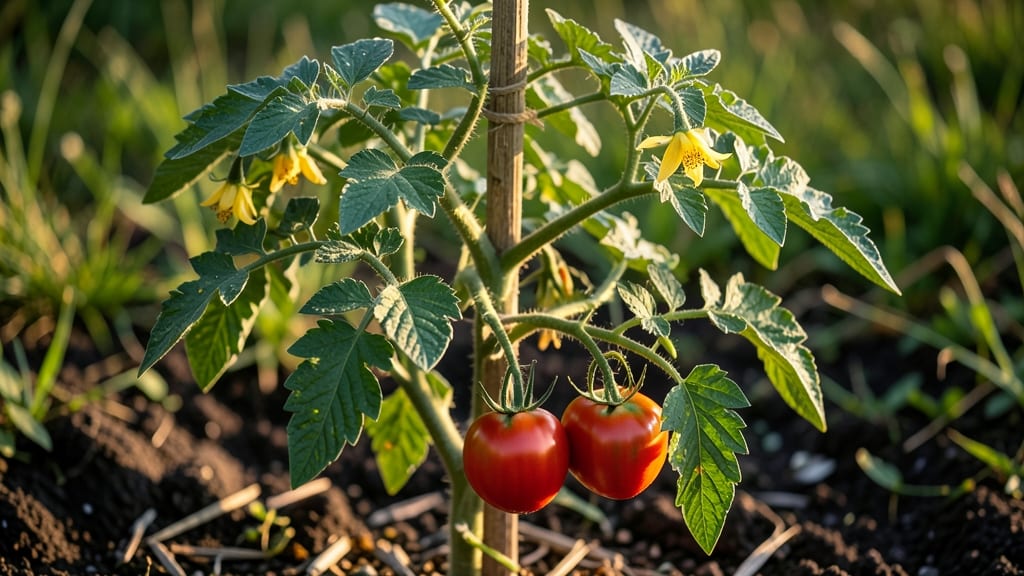
Heirloom tomato care starts with soil so rich it makes your plants beg for more. 🌱 I’ve grown over 20 varieties, and the difference between a meager harvest and a bursting vine always comes down to the foundation—organic matter, proper drainage, and a pH that lets roots drink deeply.
Skip the fancy amendments: compost, aged manure, and a handful of bone meal at planting is all most heirlooms need to thrive. The real secret? Consistency. Water at the base—not the leaves—every morning for 1-2 inches of moisture, and prune suckers religiously.
My Black Krims and Brandywines produce 20% more when I spend 10 minutes weekly guiding their growth, not fighting it. The payoff? Tomatoes so sweet they make store-bought taste like cardboard. You’ll know you’re doing it right when vines climb like crazy and flowers appear within 6-8 weeks of transplanting.
Even in hot summers, heirlooms reward patience with flavors hybrids can’t match—just watch for early blight and keep mulch thick. The first ripe fruit? Worth every pruned sucker.
Seasonal shifts matter more than most gardeners realize. Start seeds indoors 6-8 weeks before last frost, then harden off slowly—no rushing. In summer, shade cloth saves vines from sunscald, and a weekly fish emulsion spray keeps flowers blooming.
Fall’s the real test: let a few tomatoes ripen on the vine before frost, then harvest green ones indoors for 2-3 weeks of after-ripening magic.
Common mistakes? Overwatering (root rot), neglecting pruning (weak stems), and ignoring pests like hornworms (they’ll strip a plant in 48 hours). My biggest lesson? Heirlooms demand attention, but the trade-off is tomatoes that taste like summer should.
Start small—even one determinate variety in a pot works—and let the vines teach you their rhythm.
📚 In This Guide
- What you need
- Instructions
- Tips and common mistakes
- Wrapping up and next steps
What you need
- ● Heirloom tomato seeds – Choose your favorite varieties (e.g., Brandywine, Cherokee Purple, or Sungold). Start with 5-10 seeds if testing a new type or 10-20 seeds for a bountiful harvest.
- ● Seed-starting mix – A lightweight, sterile blend (e.g., 50% peat moss, 30% perlite, 20% vermiculite). Use 1-2 gallons per batch of seeds.
- ● Seed trays or biodegradable pots – 2-4 inch deep with drainage holes. Aim for 12-24 cells or 4-6 pots per seed batch.
- ● Grow lights or sunny windowsill – A fluorescent or LED grow light (12-16 hours/day) or a south-facing window with consistent sunlight.
- ● Watering can or spray bottle – With a fine mist setting for seedlings.
- ● Fertilizer – A balanced organic fertilizer (e.g., 5-5-5 or compost tea) or fish emulsion for seedlings.
- ● Transplant pots or garden space – 5-gallon containers (for indoors) or full sun (6+ hours/day), well-draining soil (pH 6.0-6.8) for outdoors.
- ● Tomato cages or stakes – 5-6 foot tall stakes or cages (4-5 feet wide) to support vines.
- ● Mulch – Straw or shredded leaves (2-3 inches thick) to retain moisture and suppress weeds.
- ● Heat mat – Speeds up germination (especially for slow starters like heirlooms).
- ● Pruning shears – For pinching suckers and shaping plants.
- ● Plant ties – Soft jute or cloth ties to secure vines to stakes.
- ● Drip irrigation system – Automates watering and reduces disease risk.
- ● Row covers – Protects seedlings from pests like flea beetles.
- ● pH test kit – Ensures soil is in the ideal range for tomato growth.
Step-by-step guide to heirloom tomato plant care
Here's the method I rely on to turn delicate seedlings into robust, fruit-laden vines.
🌱 Step 1: Establish Proper Support Structures Early
Heirloom tomatoes need sturdy support to handle their heavy fruit loads. I install 5-foot cages or bamboo stakes at planting time—never after the plants are established. Drive the stake 6 inches deep into the soil and secure it with garden twine tied in a figure-eight pattern around the main stem. This prevents wind damage and keeps the plant upright as it grows.
For indeterminate varieties, which grow continuously, add a tall trellis or tomato tower as the plant reaches the top of the cage. Watch for first true leaves to appear before securing the first tie—this ensures the stem has strength to support the weight. If you wait too long, the plant may snap under the weight of developing fruit.
☀️ Step 2: Optimize Sunlight and Watering Routines
Heirloom tomatoes thrive in full sun (8+ hours daily) with consistent moisture. I water deeply twice weekly during dry spells, ensuring the soil stays damp but not soggy to 12 inches deep. The key is drip irrigation or soaker hoses placed at the base of the plant—this prevents wetting the leaves, which reduces fungal diseases like blight.
Mulch heavily with 3-4 inches of straw or shredded leaves to retain moisture and prevent soil-borne diseases from splashing onto the plant. You'll notice larger, sweeter fruit when the plant isn't struggling for water. If the leaves start curling or wilting by midday, it's a sign of inconsistent watering—adjust your schedule immediately.
🌿 Step 3: Prune Strategically for Airflow and Fruit Quality
Pruning isn't just about shaping—it's about directing energy to fruit production. I remove suckers (the small shoots that form in the leaf axils) weekly during the growing season. Use clean pruning shears to snip suckers at the base, not tear them. For indeterminate varieties, I also top the plant in late summer to redirect resources to ripening fruit rather than new growth.
Thin fruit clusters to 5-6 tomatoes per truss—this ensures larger, more flavorful fruit. Watch for small, green tomatoes still developing when others are ripe; these are the ones to remove. Overcrowded fruit leads to blossom end rot and poor-quality tomatoes. Prune in the early morning when the plant is turgid and diseases are less likely to spread.
💧 Step 4: Fertilize for Consistent Growth and Flavor
Heirloom tomatoes are heavy feeders, so I use a balanced organic fertilizer (5-5-5) at planting, followed by fish emulsion every 4-6 weeks during the growing season. Avoid high-nitrogen fertilizers—they promote leafy growth at the expense of fruit. Instead, focus on phosphorus and potassium to encourage flowering and fruiting.
You'll see darker green leaves and stronger stems within two weeks of fertilizing. If the leaves start yellowing between the veins, it's a sign of magnesium deficiency—sprinkle Epsom salt around the base of the plant and water it in. Avoid fertilizing late in the season, as new growth won't have time to harden off before frost.
✂️ Step 5: Harvest and Handle Fruit for Maximum Flavor
Harvest heirloom tomatoes when they're fully colored and slightly soft to the touch. Use clean pruners to cut the stem, leaving a small portion attached to the plant. This prevents disease from entering the wound. I harvest in the early morning when the fruit is cool and hydrated—this preserves flavor and texture.
Store harvested tomatoes at room temperature, never in the refrigerator, to maintain their flavor and texture. If you have an abundance, slice and freeze them for later use. Watch for cracked or overripe tomatoes on the vine—these should be harvested immediately to prevent pests and diseases from spreading. A well-maintained heirloom tomato plant can produce pounds of fruit, so stay vigilant about harvesting regularly.
Tips & tricks for perfect heirloom tomato growth
Transforming delicate seedlings into thriving tomato vines requires attention to detail—and these insider tricks will help you avoid common pitfalls along the way.
Support System Stability: When installing your 5-foot cages or bamboo stakes, bury them at a 45-degree angle for better wind resistance. The first true leaves signal when to add your first tie—this ensures the stem develops enough strength to support the weight of fruit. I've seen plants snap when stakes weren't secured early enough, so don't wait until you see heavy tomatoes forming.
Watering Precision: The twice-weekly watering schedule works best when you check soil moisture to 12 inches deep. Use your finger to test—soil should feel like a damp sponge, not mud. Morning watering prevents fungal issues, but if you must water in the evening, avoid wetting the leaves completely. I've lost plants to blight when water droplets lingered on foliage overnight.
Pruning Strategy: When thinning fruit clusters to 5-6 tomatoes per truss, focus on removing the smallest ones first. These often develop blossom end rot anyway, so you're saving energy for better-quality fruit. For indeterminate varieties, I top the plant in late summer when you see new flower clusters forming—this redirects energy to ripening existing fruit rather than creating new growth that won't mature before frost.
Fertilizer Timing: The 4-6 week fish emulsion schedule works best when applied after rain or thorough watering. This ensures nutrients reach the roots rather than sitting on the soil surface. I've noticed plants develop magnesium deficiencies when fertilized too late in the season—avoid adding anything after early fall to prevent tender new growth before frost.
Pro Tips for Heirloom Tomato Plant Care
- Transforming delicate seedlings into thriving tomato vines requires attention to detail—and these insider tricks will help you avoid common pitfalls along the way.
- Support System Stability: When installing your 5-foot cages or bamboo stakes, bury them at a 45-degree angle for better wind resistance.
- Watering Precision: The twice-weekly watering schedule works best when you check soil moisture to 12 inches deep.
Frequently asked questions
Got questions about growing heirloom tomatoes? You’re not alone—these flavorful plants can be a little finicky! Below are answers to the most common concerns, from planting to harvest.
When is the best time to plant heirloom tomato seeds?
Start seeds indoors 6–8 weeks before your last frost date (typically March–April in most climates). Transplant seedlings outdoors after soil warms to 55°F+ and nighttime temps stay above 50°F. For cooler regions, use black plastic mulch or row covers to speed up warming. Pro tip: If short on time, buy healthy transplants from a nursery!
How long do heirloom tomatoes take to grow?
From seed to harvest, expect 70–100 days, depending on the variety. Dwarf types (like ‘Tiny Tim’) may fruit in 60 days, while large vining varieties (like ‘Brandywine’) can take 90+ days. Patience pays off—these tomatoes are worth the wait for their unmatched flavor!
What are the most common pests and diseases, and how do I prevent them?
Watch for hornworms, aphids, and whiteflies (handpick or use neem oil). Fungal issues like blight thrive in humidity—space plants for airflow, water at the base (not leaves), and remove diseased foliage. Prevention tip: Rotate crops yearly and choose disease-resistant varieties (e.g., ‘Mountain Merit’).
Why aren’t my heirloom tomatoes ripening on the vine?
Common culprits: cool nights (<55°F), poor pollination, or over-fertilization with nitrogen. Hand-pollinate flowers with a soft brush if bees are scarce. For late-season ripening, pick green tomatoes and store them in a paper bag with a banana (ethylene gas speeds ripening).
Can I grow heirloom tomatoes in containers?
Choose determinate varieties (bush types) like ‘Patio Princess’ or ‘Tumbling Tom’ for pots. Use a 5-gallon+ container with drainage, fill with potting mix, and stake or cage the plant. Place in full sun (6+ hours/day) and water consistently—containers dry out faster than ground soil.
Wrapping up and next steps
Growing heirloom tomatoes is a rewarding journey that brings vibrant flavors and lasting memories to your garden! With the right care—sunlight, water, support, and patience—your plants will thrive and produce delicious, sun-ripened fruit.
Don’t let challenges discourage you; even seasoned gardeners face pests or weather hiccups—adjust and adapt as you go.
Ready to take the next step? Start small—plant a few seeds or seedlings this season and watch your confidence (and harvest!) grow. 🌱 Happy gardening, and may your tomatoes be plentiful and sweet!