
Companion Plants
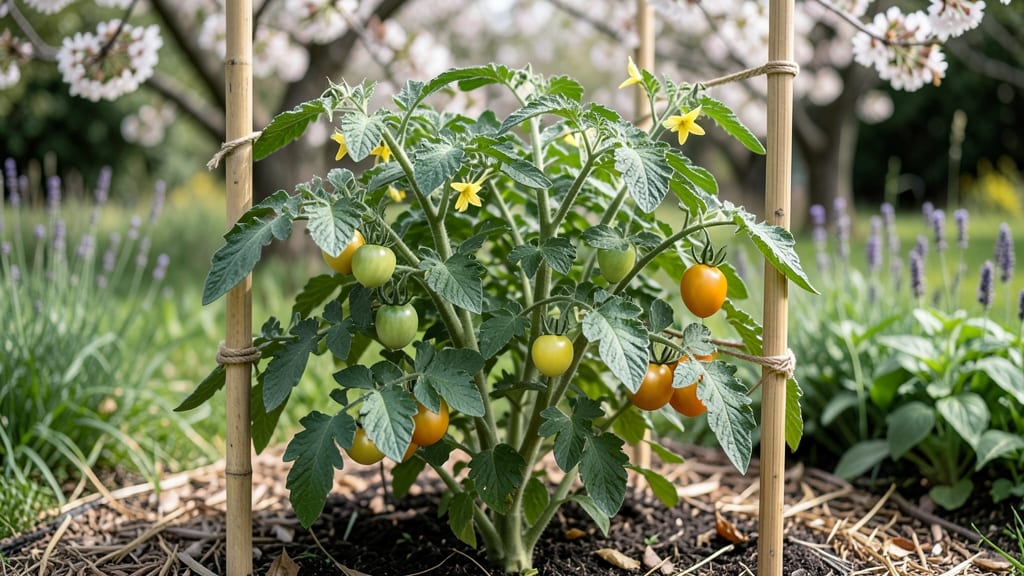
Growing Hawaiian Pineapple tomatoes turns your garden into a tropical paradise with sweet, golden fruit that tastes like sunshine. 🌺 These heirloom plants aren’t just pretty—they’re packed with flavor, producing juicy, pineapple-scented tomatoes that’ll make your neighbors ask for cuttings.
The key? Mimicking their native Hawaiian climate with just the right balance of heat, humidity, and care.
You’ll need well-draining soil rich in organic matter (think compost or aged manure) and a spot that gets 6-8 hours of sunlight daily. These plants thrive in warm climates but can handle cooler zones if you start them indoors and transplant after the last frost.
Water consistently—keeping the soil moist but never soggy—since they’re sensitive to both drought and root rot.
Pruning is where the magic happens: pinch off suckers early to focus energy on fruit production, and stake or cage them as they grow (they get heavy!). The reward?
A vine loaded with 2-3 pound tomatoes that burst with tropical sweetness—nothing like store-bought. Even my black thumb can’t kill these if I follow the basics.
Advanced gardeners can experiment with trellising for vertical growth or try growing them in containers (5-gallon pots work well). Just watch for common pests like aphids and hornworms—neem oil or handpicking does the trick. Once you taste your first homegrown Hawaiian Pineapple tomato, you’ll never buy another one.
📚 In This Guide
- What you need
- Instructions
- Tips and common mistakes
- Wrapping up and next steps
What you need
- ● Hawaiian Pineapple tomato seeds or seedlings: 3–5 plants (check seed packets for variety specifics).
- ○ Pineapple plant (optional but recommended): 1 mature plant (dwarf varieties work best in containers).
- ● Well-draining potting mix or garden soil: 5–10 gallons (amend with compost for nutrient-rich soil).
- ● Containers or garden bed: Containers: 5–7 gallon pots (with drainage holes) for each tomato plant + a slightly larger pot for the pineapple.
- ● Garden bed: Full sun (6+ hours/day) with loose, fertile soil.
- ● Organic fertilizer: Balanced 10-10-10 or tomato-specific fertilizer (follow package instructions).
- ● Mulch: Straw or wood chips to retain moisture and suppress weeds.
- ● Gloves & kneeling pad: For comfortable planting.
- ● Trowel or small shovel: For digging and transplanting.
- ● Watering can or hose with gentle spray nozzle: Avoid damaging delicate plants.
- ● Pruning shears: To trim suckers and encourage bushier growth.
- ○ Support stakes or cages (optional): For indeterminate tomato varieties.
- ○ pH testing kit (optional): Ideal soil pH for tomatoes: 6.0–6.8.
- ○ Pest control (optional): Neem oil or insecticidal soap for aphids/spider mites.
- ● Companion planting: Add basil or marigolds nearby to deter pests and enhance flavor!
- ● Sunlight: Both pineapple and tomatoes thrive in full sun—place them side by side for mutual benefits.
- ● Watering: Keep soil consistently moist (not soggy) to prevent blossom end rot in tomatoes.
Step-by-step guide to growing Hawaiian Pineapple tomato plants
These sweet, tangy tomatoes thrive with the right care—here's how to nurture them from seed to harvest.
🌱 Step 1: Prepare Your Growing Environment
Hawaiian Pineapple tomatoes love warmth and humidity, so start by selecting a location with full sun exposure (6-8 hours daily). If growing indoors, place near a south-facing window or under a grow light (14-16 hours/day). I always test soil temperature first—it should stay above 60°F for consistent germination.
Use a lightweight, well-draining potting mix with added compost. These tomatoes hate soggy roots, so amending with perlite or vermiculite improves aeration. For containers, ensure pots are at least 12 inches deep to accommodate their sprawling vines.
🌿 Step 2: Plant Seeds or Transplants at the Right Time
Sow seeds indoors 8-10 weeks before your last frost date or transplant young plants after soil warms to 70°F+. I like to pre-soak seeds for 12 hours in lukewarm water to speed up germination. Plant seeds ¼ inch deep in individual pots to avoid transplant shock later.
Watch for first true leaves (the second set after the initial cotyledons) before hardening off seedlings. If transplanting, bury stems slightly deeper than in their nursery pots—this encourages stronger root growth. Space plants 24-36 inches apart to prevent overcrowding and disease.
☀️ Step 3: Maintain Optimal Growing Conditions
Water deeply once a week (more in extreme heat), ensuring the top 2 inches of soil dry out between waterings. Hawaiian Pineapple tomatoes are drought-tolerant but produce sweeter fruit with consistent moisture. Mulch around plants to retain humidity and prevent soil-borne diseases.
Fertilize lightly with a balanced organic fertilizer (10-10-10) every 4-6 weeks after planting. Too much nitrogen leads to leafy growth at the expense of fruit. Prune suckers (those little shoots in the leaf axils) to direct energy toward fruit production instead of foliage.
✂️ Step 4: Support Vines and Harvest at Peak Ripeness
These indeterminate vines grow vigorously, so install sturdy stakes or a trellis early. Weave stems through the support as they grow to prevent breakage. I always tie new growth with soft plant ties—never wire, which can damage tender stems.
Harvest when tomatoes turn golden-yellow and yield slightly to gentle pressure. The flavor intensifies after picking, so don't wait until they're fully red. Pick regularly to encourage more fruit production. Store harvested tomatoes in a cool, dry place away from direct sunlight.
Tips & tricks for perfect Hawaiian Pineapple tomato plants
Here's what nobody tells you about nurturing these tropical beauties from seed to harvest—tricks that'll make all the difference in your garden.
Lighting Secret: Those 14-16 hours/day of grow light aren't just about duration—they're about intensity too. I use LED grow lights positioned 6-12 inches above seedlings to mimic tropical sunlight. Move them higher as plants grow to prevent heat stress. For indoor setups, supplement with a south-facing window during daylight hours to maximize natural UV exposure.
Seed Germination Hack: The 12-hour pre-soak in lukewarm water is your secret weapon for faster germination. I add a drop of liquid seaweed fertilizer to the water—it boosts nutrient uptake and gives seedlings a head start. After soaking, place seeds between damp paper towels in a sealed container until sprouts appear (usually 3-5 days), then transfer to soil.
Soil Temperature Matters: That 60°F minimum isn't arbitrary—it's the threshold for consistent germination. Use a soil thermometer to monitor temps, especially in cooler climates. For faster results, place seed trays on a heat mat set to 75°F until sprouts emerge. Once planted outdoors, use black plastic mulch to warm soil 5-10°F faster than bare ground.
Harvesting Insight: The golden-yellow color is your cue, but don't rely solely on appearance—gentle pressure is key. A ripe Hawaiian Pineapple tomato should yield slightly like a ripe peach, not feel rock-hard. I harvest in the morning when temps are coolest to preserve flavor and prevent bruising. Store them at 55-60°F with high humidity (like a paper bag with holes) to extend shelf life up to 2 weeks.
Pro Tips for Hawaiian Pineapple Tomato Plants
- Here's what nobody tells you about nurturing these tropical beauties from seed to harvest—tricks that'll make all the difference in your garden.
- Lighting Secret: Those 14-16 hours/day of grow light aren't just about duration—they're about intensity too.
- Seed Germination Hack: The 12-hour pre-soak in lukewarm water is your secret weapon for faster germination.
Frequently asked questions
Got questions about growing Hawaiian Pineapple tomato plants?
You’re not alone! Here are some of the most common queries—and their answers—to help you cultivate a thriving, flavorful harvest.
What makes Hawaiian Pineapple tomatoes a great companion plant?
Hawaiian Pineapple tomatoes thrive alongside basil, borage, and marigolds—all of which repel pests like whiteflies and aphids while enhancing flavor and growth. Their compact size also makes them ideal for small gardens or containers, saving space while boosting yields. Plus, their sweet, tangy taste pairs perfectly with these companions!
How long does it take for Hawaiian Pineapple tomato plants to produce fruit?
From seed, expect 60–75 days to first harvest, while transplants may fruit in 50–60 days under ideal conditions (warm soil, full sun, and consistent watering). Patience pays off—these determinate plants produce a steady crop over 4–6 weeks once flowering begins. Pro tip: Prune suckers early to redirect energy to fruit production!
Can I grow Hawaiian Pineapple tomatoes in containers?
These compact plants love containers (5+ gallon pots work well). Use a well-draining potting mix with added compost, and ensure pots have drainage holes. Place them in a sunny spot (6+ hours of light daily) and water consistently—containers dry out faster than garden beds. Bonus: Rotate pots weekly for even growth!
What should I do if my Hawaiian Pineapple tomato plants get pests?
Start with preventative care: Use neem oil or insecticidal soap for aphids/whiteflies, and handpick larger pests like hornworms. Companion plants like basil or marigolds deter many issues naturally. For severe infestations, remove affected leaves and treat with BT (Bacillus thuringiensis) for caterpillars. Pro tip: Encourage beneficial insects (ladybugs, lacewings) with dill or fennel nearby!
Are Hawaiian Pineapple tomatoes good for sauces or eating fresh?
These dual-purpose gems shine in both! Their sweet, pineapple-like flavor makes them perfect for fresh snacks, salads, or sandwiches. They’re also ideal for sauces, salsas, and jams—their low acidity balances well in recipes. Harvest when fully red for peak sweetness, but they’re delicious at any ripe stage!
Wrapping up and next steps
Growing Hawaiian pineapple tomato plants alongside your garden companions is a rewarding way to boost flavor, deter pests, and create a thriving ecosystem.
These dynamic duos not only enhance your harvest but also make gardening more enjoyable—so why not give it a try? 🌱✨ Start small this season by planting a few pineapple tomatoes with basil or marigolds, and watch your garden flourish!
- Next step: Pick a sunny spot, gather your supplies, and dive into companion planting with confidence!