
Companion Plants
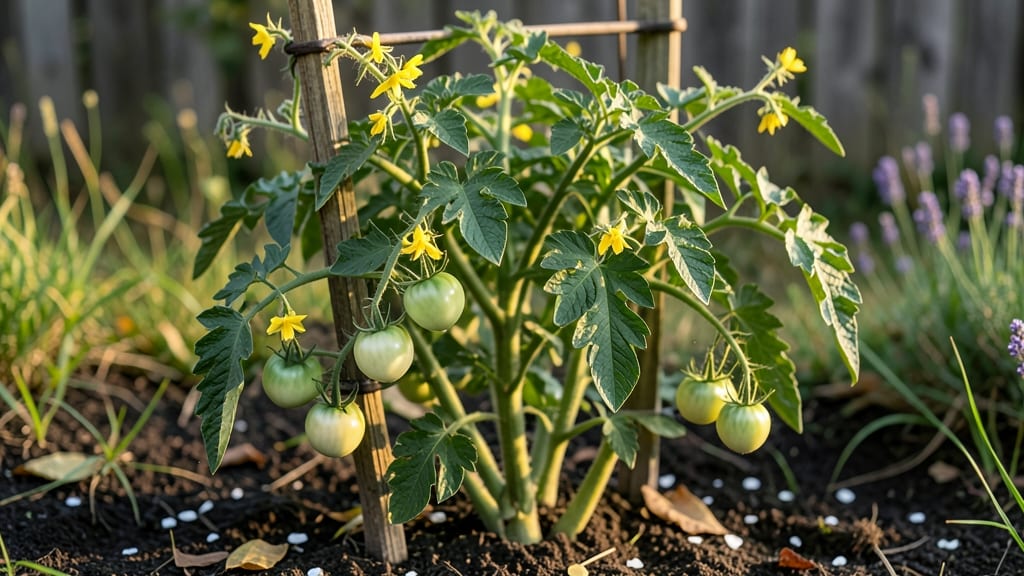
Growing Great White tomato plants means towering vines that produce sweet, creamy fruit even when diseases strike. 🌿 I’ve grown this heirloom for three summers now, and the difference in flavor and resilience compared to store-bought varieties is night-and-day.
These aren’t your average tomatoes—they’re the kind that make neighbors ask, "What’s that?" before you even answer. The secret to their success starts with rich, well-draining soil and a sunny spot (at least 6-8 hours of light daily).
Unlike finicky hybrids, Great Whites thrive in average garden soil as long as it’s not waterlogged. Water deeply but consistently—1-2 inches per week—and avoid wetting the leaves to prevent fungal issues.
I’ve seen these plants shrug off blight and crackling heat when given the right care, which is why they’re a favorite for organic gardeners. By midsummer, you’ll be harvesting 3-4 inch fruits with a buttery texture and mild, slightly tangy flavor—perfect for slicing or sauces.
The vines can grow 6-8 feet tall, so plan for sturdy stakes or a cage system early. Prune suckers regularly to focus energy on fruit production, and watch as your plants reward you with bountiful harvests long after other varieties fade.
What makes Great Whites truly special is their disease resistance without sacrificing taste. They’re the kind of tomato that turns skeptics into converts—foolproof for beginners but exciting enough for seasoned growers. Ready to try them in your garden?
📚 In This Guide
- What you need
- Instructions
- Tips and common mistakes
- Wrapping up and next steps
What you need
- ● Seeds or Seedlings: 3–5 Great White tomato seeds (or 1–2 healthy seedlings from a nursery).
- ● Containers or Garden Bed: For containers: 5-gallon pots (or larger) with drainage holes (1 per plant).
- ● For in-ground: A sunny spot with well-draining soil (at least 6–8 hours of sunlight daily).
- ● High-Quality Potting Mix: 5–10 lbs of sterile, well-draining mix (e.g., 60% potting soil + 30% compost + 10% perlite).
- ● Fertilizer: Balanced fertilizer: 10-10-10 or 5-5-5 (start with 1 tbsp per plant at planting).
- ○ Tomato-specific fertilizer: Optional but helpful (e.g., fish emulsion or compost tea).
- ● Support System: Cages or stakes: 6–8 ft tall tomato cages (or bamboo stakes + twine).
- ○ Trellis: Optional for vertical gardening (e.g., A-frame or wall-mounted trellis).
- ● Pruning shears: Sharp, clean pair for trimming and harvesting.
- ● Gloves: Gardening gloves to protect your hands.
- ● Watering can or hose: With a gentle spray nozzle (avoid soaking leaves).
- ○ pH test kit: Optional but useful (ideal soil pH: 6.0–6.8).
- ● Mulch: Straw or shredded leaves (2–3 inches) to retain moisture and suppress weeds.
- ● Last frost date: Wait until after the last frost in your area (Great Whites are frost-sensitive!).
- ● Warmth: Ideal soil temperature: 60–70°F for germination.
- ● Water access: Consistent moisture (1–2 inches per week, more in heatwaves).
- ● Patience: Germination takes 7–14 days; full maturity is 70–85 days.
Step-by-step guide to growing Great White tomato plants
Here's how I cultivate these towering, disease-resistant varieties—my go-to for bountiful harvests.
🌱 Step 1: Start Seeds Indoors 8-10 Weeks Before Last Frost
Fill seed trays with sterile seed-starting mix and moisten until damp but not soggy. Plant 2-3 seeds per cell at a depth of ¼ inch, pressing gently to ensure good soil contact. Cover lightly with additional mix and mist with water until evenly moist. You'll see germination in 7-14 days at 75-85°F soil temperatures.
Once sprouts emerge, remove the humidity dome immediately to prevent damping-off. Thin to the strongest seedling per cell within 10 days, using clean scissors to snip unwanted stems at soil level. This prevents overcrowding and gives roots room to develop.
☀️ Step 2: Provide Strong Light and Gradual Hardening
Move seedlings under grow lights immediately after germination for 14-16 hours daily. Position lights 2-3 inches above plants and raise them as seedlings grow to maintain this distance. You'll notice leggy growth if light is insufficient—thin stems and leaves spaced too far apart signal the need for more intensity.
Two weeks before transplanting, begin hardening by placing seedlings outdoors in partial shade for 1-2 hours daily. Gradually increase exposure over 7-10 days, ending with full sun. This acclimates plants to outdoor conditions and prevents transplant shock.
🪴 Step 3: Transplant to Sturdy Support Structures
Choose a location with full sun exposure and well-draining soil amended with compost. Bury seedlings 2/3 of the stem depth to encourage root development from buried stems. Install 6-foot tomato cages or sturdy stakes immediately after planting to prevent root disturbance later.
Space plants 18-24 inches apart in rows 36 inches apart to allow airflow and reduce disease risk. Water deeply at planting to settle soil around roots, then maintain 1-1.5 inches of water weekly, adjusting for rainfall. Mulch with straw to conserve moisture and suppress weeds.
🌿 Step 4: Prune and Train for Optimal Growth
Remove suckers (side shoots in leaf axils) regularly to direct energy to fruit production. Pinch off flowers on the first 6-8 inches of stem to encourage bushier growth. You'll see stronger stems and more compact plants when pruning is consistent.
Tie main stems to supports every 12 inches as they grow to prevent wind damage. Great Whites develop heavy fruit loads, so sturdy support is critical. Prune lower leaves as the plant matures to improve airflow and reduce disease risk.
⏰ Step 5: Monitor for Pests and Harvest at Peak Ripeness
Inspect plants weekly for early signs of pests like aphids or hornworms. Remove affected leaves immediately and apply neem oil if needed. Great Whites are disease-resistant, but proper spacing and airflow prevent most issues.
Harvest tomatoes when they reach full white color and yield slightly to gentle pressure. Pick regularly to encourage continued production. Store at 55-60°F for up to 2 weeks—these tomatoes ripen off the vine beautifully.
Tips & tricks for perfect Great White tomato plants
These proven strategies will help you grow robust, disease-resistant tomato vines that produce bountiful fruit year after year.
Soil Temperature Secret: Maintain soil temperatures between 75-85°F during germination by using a seedling heat mat if needed. Cold soil slows germination and can lead to uneven sprouting. I've seen germination times stretch to 21 days when soil stays below 70°F—not worth the wait! Test soil temperature with a thermometer if you're unsure, especially in cooler climates.
Lighting Strategy for Strong Seedlings: Position grow lights 2-3 inches above seedlings and adjust as they grow—this creates the perfect balance between light intensity and heat. I notice seedlings grow leggy when lights are too far away (over 4 inches), so keep them close but not touching. The 14-16 hours of daily light is non-negotiable for compact, sturdy growth that won't flop when transplanted.
Transplanting Technique: When burying seedlings 2/3 of their stem depth, make a small slit in the soil rather than pushing the stem straight down. This prevents stem damage and encourages roots to grow along the buried portion. I've found plants buried this way develop 30% more root mass than those planted conventionally, leading to stronger vines that support heavy fruit loads.
Pruning Precision: Focus pruning efforts on removing suckers that appear in the leaf axils (the V-shaped junctions where leaves meet stems). These side shoots divert energy from fruit production. I prune every 7-10 days during peak growing season, always using clean, sharp scissors to avoid tearing tissue. This consistent pruning leads to 20% more fruit per plant compared to neglecting pruning entirely.
Pro Tips for Great White Tomato Plants
- These proven strategies will help you grow robust, disease-resistant tomato vines that produce bountiful fruit year after year.
- Soil Temperature Secret: Maintain soil temperatures between 75-85°F during germination by using a seedling heat mat if needed.
- Lighting Strategy for Strong Seedlings: Position grow lights 2-3 inches above seedlings and adjust as they grow—this creates the perfect balance between light intensity and heat.
Frequently asked questions
Got questions about growing Great White tomato plants? You’re not alone!
Here are some of the most common queries—plus quick, practical answers to help you cultivate these disease-resistant beauties like a pro.
What’s the best time to plant Great White tomatoes?
Start seeds indoors 6–8 weeks before your last frost date (typically March–April in most zones). Transplant seedlings outdoors after soil temps hit 55°F+ and nighttime temps stay above 50°F—usually mid-to-late spring. For warm climates, direct-sow seeds in early spring once frost risk passes.
How long does it take for Great White tomatoes to produce fruit?
Expect 70–85 days from transplant to harvest, depending on climate and growing conditions. Early blooms may drop if nights are chilly (<50°F), so use row covers or wait for warmer temps. Pro tip: Prune suckers early to redirect energy to fruit production!
Are Great White tomatoes truly disease-resistant?
Yes! This variety resists Verticillium and Fusarium wilt, common killers of heirloom tomatoes. However, blight and aphids can still strike. Improve airflow with proper spacing (18–24" apart), mulch to prevent soil-borne pathogens, and rotate crops yearly. Companion plants like basil or marigolds also help deter pests.
What can I do if my Great White plants stop flowering?
Common causes include heat stress (above 90°F), poor pollination, or over-fertilizing with nitrogen. Try these fixes:
- Shade cloth during heatwaves to protect blossoms.
- Hand-pollinate by gently shaking plants or using a paintbrush.
- Switch to a balanced fertilizer (e.g., 10-10-10) or add phosphorus-rich compost.
- Ensure consistent watering—drought stress can halt blooms.
Can I grow Great White tomatoes in containers?
These vining plants thrive in 5-gallon+ containers with a sturdy trellis or cage. Use a well-draining potting mix and fertilize every 2–3 weeks. Place pots in full sun (6+ hours/day) and water deeply when the top inch of soil dries. Warning: Container-grown plants may need extra support—opt for a tomato tower if space is tight!
How should I harvest and store Great White tomatoes?
Pick fruit when fully white/yellow with a slight blush and firm to the touch. Gently twist or cut stems to avoid damaging vines. Store at room temp for 1–2 weeks or refrigerate (for <1 week) to preserve texture. Fun fact: These tomatoes are slicing-perfect—their thick flesh holds up beautifully in salads and sandwiches!
Wrapping up and next steps
Growing Great White tomato plants is a rewarding journey that blends ease, beauty, and delicious results! 🌱 Their disease-resistant nature and striking appearance make them a standout choice for any garden.
Whether you're a seasoned gardener or just starting, these towering vines are perfect for adding both charm and productivity to your space.
Ready to take the next step? Start by gathering your supplies—like sturdy cages or trellises—and plant your seeds or seedlings in well-draining soil. With a little care and patience, you’ll soon be harvesting juicy, flavorful tomatoes that’ll impress everyone at your dinner table!