
Planting
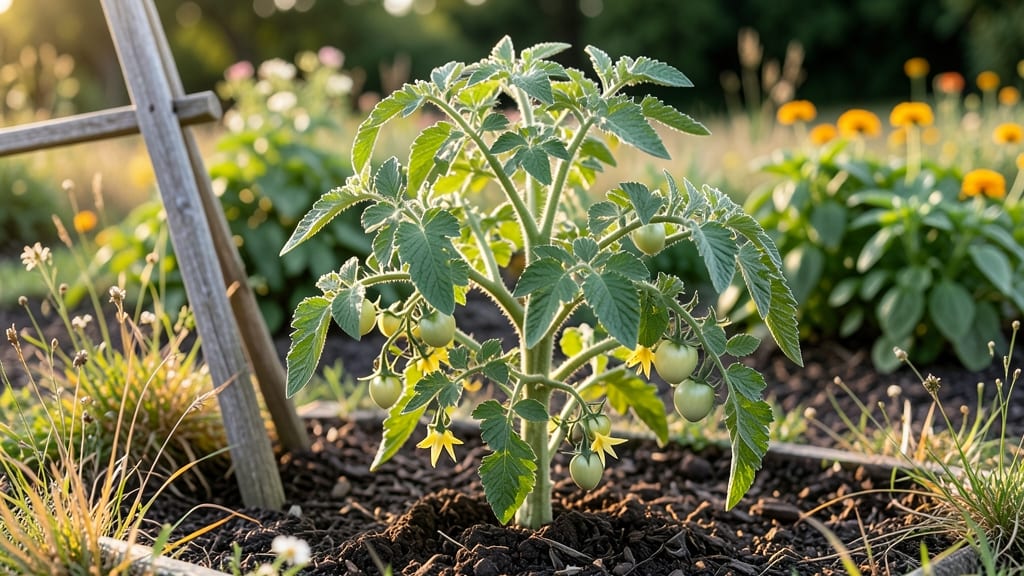
Growing Glacier tomatoes means finally having a productive vine even when your neighbors' plants wilt by July. 🌱 These cold-resistant beauties thrive where other varieties struggle, producing sweet, medium-sized fruits that burst with flavor—no greenhouse needed.
I planted mine in early May, and they kept producing until the first frost, proving that cool climates can still yield a bounty.
The secret starts with soil: Glaciers love rich, well-draining dirt with plenty of organic matter. Space plants 24-36 inches apart to give roots room to stretch, and choose a spot that gets at least 6-8 hours of sunlight daily.
Unlike heat-loving varieties, these tomatoes handle cooler temperatures beautifully, making them perfect for zones 3-8.
Care is simple but critical—water consistently to prevent cracking, fertilize lightly every 3-4 weeks, and prune suckers to keep energy focused on fruit production. Trellising isn’t just for looks: it improves air circulation and makes harvesting easier.
By midsummer, you’ll be picking glossy red tomatoes that taste like summer, even when the weather feels more like spring.
Glaciers resist common diseases like blight better than heirlooms, but watch for early signs of fungal issues. Harvest when fully colored but still firm for the best flavor—these tomatoes keep producing until frost, so don’t let them go to waste.
Whether you’re in the Pacific Northwest or the Midwest, this variety proves you don’t need scorching heat to grow something extraordinary.
📚 In This Guide
- What you need
- Instructions
- Tips and common mistakes
- Wrapping up and next steps
What you need
- ● Glacier tomato seeds or seedlings: 1–3 plants (depending on space and yield goals). Choose heirloom or disease-resistant varieties for best results.
- ● Well-draining potting mix or garden soil: 5–10 gallons per plant. Amend with compost (20–30%) for nutrients.
- ● Organic fertilizer: Balanced 10-10-10 or tomato-specific blend (e.g., fish emulsion or worm castings).
- ● Mulch (straw, grass clippings, or shredded leaves): 2–3 inches to retain moisture and regulate soil temp.
- ● Garden trowel or transplanting spade (for digging holes or containers).
- ○ 5-gallon containers or raised bed (optional but ideal for cooler climates; ensure drainage holes!).
- ● Tomato cages or stakes (4–6 ft tall) to support vines (Glacier can grow 6+ feet).
- ● Drip irrigation or watering can (consistent moisture is key!).
- ● Pruning shears (for trimming suckers and dead leaves).
- ● Full sun (6–8+ hours daily)—Glacier tomatoes love warmth but tolerate partial shade better than most varieties.
- ● Soil temperature: At least 50°F (10°C) for seeds; 60°F (15°C)+ for seedlings.
- ● pH level: 6.0–6.8 (test with a soil kit if unsure).
- ● Cold-hardy zone: USDA Zones 3–10 (can handle light frosts early in the season!).
- ● Row covers or frost cloth for early/late-season protection.
- ● Mycorrhizal fungi (boosts root health in cooler soils).
- ● Epsom salt (1 tbsp/gal of water) for magnesium (prevents blossom-end rot).
- ● Companion plants: Basil, marigolds, or onions to deter pests.
How to grow cold-resistant Glacier tomatoes in your garden
These hardy vines reward patience with sweet, reliable fruit even when spring lingers late.
🌱 Step 1: Select the Right Variety and Start Indoors Early
Glacier tomatoes thrive because they're bred to tolerate cooler temperatures and shorter growing seasons. I always start seeds indoors 6-8 weeks before the last frost date in my zone, using 65-75°F warmth to kickstart germination. These seeds germinate best in moist, sterile seed-starting mix—never garden soil, which can harbor diseases that weaken seedlings.
Sow 2-3 seeds per cell in 2-3 inch deep containers, planting them ¼ inch deep to avoid burying them too deeply. The key is patience here: Glacier tomatoes grow slower than heat-loving varieties, so don't rush the process. Once true leaves appear (not the initial seed leaves), thin to the strongest seedling per cell. This ensures each plant has enough space to develop strong roots before transplanting.
☀️ Step 2: Harden Off and Transplant After Frost Risk Passes
Glacier tomatoes handle cooler soil better than most varieties, but they still need time to adjust. Start hardening off 2 weeks before your last frost date by placing seedlings outside in partial shade for 1-2 hours daily, gradually increasing exposure over 7-10 days. Watch for wilting or yellowing leaves—this means they're not ready for full sun yet.
Transplant after all frost danger has passed, choosing a site with full sun (6-8 hours daily) and well-draining soil. These tomatoes perform best in slightly acidic to neutral soil (pH 6.0-7.0). I always add 2-3 inches of compost to the planting hole to give roots a nutrient boost. Space plants 18-24 inches apart—they won't sprawl as much as heat-loving varieties, but they still need room for airflow.
💧 Step 3: Water Consistently and Fertilize for Cold Tolerance
Glacier tomatoes need consistent moisture—water deeply 1-2 inches per week, letting the top 1-2 inches of soil dry slightly between waterings. Overwatering leads to blossom-end rot, while underwatering stresses plants and reduces fruit set. I water at the base of the plant in the morning to prevent fungal diseases that thrive in damp foliage.
Feed with a balanced fertilizer (10-10-10) at planting, then switch to a low-nitrogen, high-phosphorus formula (5-10-10) when flowers appear. This encourages root development and fruit production. I also top-dress with compost tea every 3-4 weeks to boost cold resistance naturally. Mulch with 2-3 inches of straw to retain soil moisture and protect roots from temperature swings.
✂️ Step 4: Prune and Support for Maximum Yield in Cool Weather
Glacier tomatoes benefit from light pruning to improve airflow and fruit quality. Remove suckers (side shoots) that form in the leaf axils, but leave 1-2 leaves below each fruit cluster to support photosynthesis. These plants grow determinate (bush-type), so they don't need staking like indeterminate varieties—but I still use cages or small stakes to prevent sprawling and disease.
Watch for early signs of stress like yellowing lower leaves, which is normal as the plant matures. However, if leaves curl or develop brown spots, it could signal early blight—a common issue in cool, damp conditions. At the first sign, remove affected leaves and apply a copper fungicide preventatively. Harvest when tomatoes turn deep red and yield slightly to gentle pressure—they're sweeter when ripened on the vine, even in cooler weather.
Tips & tricks for perfect Glacier tomato growth
These practical insights will help you coax the most flavor and resilience from your cold-hardy tomato plants.
Germination Conditions: The 65-75°F warmth range is critical for germination—don't use a heat mat above 75°F or you'll risk damping off. I place my seed trays on top of my refrigerator, which maintains a steady 70°F without overheating. Keep the seed-starting mix consistently moist (not soggy) by misting daily rather than watering from above, which can dislodge seeds.
True Leaf Identification: Those first tiny leaves (called cotyledons) aren't true leaves—they're just seed leaves. Wait until you see the second set of leaves (true leaves) before thinning to the strongest seedling. These true leaves will be smaller but more complex in shape, signaling the plant is ready for its next growth phase.
Transplanting Timing: The 2-week hardening off period is non-negotiable for Glacier tomatoes—they're cold-tolerant but not frost-proof. Start with just 1-2 hours in partial shade, then increase exposure gradually. I test readiness by gently tugging a leaf—if it resists, the plant's acclimated. Transplant on a cloudy day or late afternoon to minimize stress from direct sun.
Soil Preparation: The pH 6.0-7.0 range is ideal, but don't stress about perfect numbers. I simply mix my native soil with 2-3 inches of compost and a handful of lime if my soil tests acidic. For container growing, use a high-quality potting mix amended with perlite for drainage—Glacier tomatoes hate soggy roots, which leads to blossom-end rot even in cool weather.
Pro Tips for Glacier Tomato Plant
- These practical insights will help you coax the most flavor and resilience from your cold-hardy tomato plants.
- Germination Conditions: The 65-75°F warmth range is critical for germination—don't use a heat mat above 75°F or you'll risk damping off.
- True Leaf Identification: Those first tiny leaves (called cotyledons) aren't true leaves—they're just seed leaves.
Frequently asked questions
Got questions about growing Glacier tomato plants? You’re not alone—this cold-resistant variety has unique needs! Here are answers to the most common queries to help you grow a thriving vine.
What’s the best time to plant Glacier tomatoes?
Glacier tomatoes thrive in cool weather, so plant them 4–6 weeks after your last frost date—typically in early spring or late summer for a fall harvest. They tolerate light frosts better than most varieties, but avoid planting when nighttime temps drop below 40°F (4°C).
Can Glacier tomatoes survive frost?
Yes! These tomatoes are cold-hardy and can handle light frosts down to 28°F (-2°C) without permanent damage. However, heavy frost or prolonged cold may stunt growth. Use row covers or cloches for extra protection if frost is forecasted.
How do I prune Glacier tomato plants?
Prune sparingly—Glacier tomatoes are indeterminate but less vigorous than other varieties. Remove suckers (side shoots) to improve airflow and focus energy on fruit production. Avoid heavy pruning, as these plants benefit from a balanced structure for cold resilience.
What’s the difference between Glacier and other tomato varieties?
Glacier tomatoes are cold-tolerant, producing fruit in cooler climates (USDA Zones 3–8), while most tomatoes struggle below 50°F (10°C). They’re also disease-resistant (especially to early blight) and have a sweet, tangy flavor—perfect for salads, sauces, or fresh eating.
Why aren’t my Glacier tomatoes ripening?
Slow ripening often stems from cool temps, poor pollination, or overcrowding. Try:
- Hand-pollinate flowers with a brush if bees are scarce.
- Ensure full sun (6+ hours/day) and warm soil (above 60°F/15°C).
- Thin plants for better airflow and light exposure.
Wrapping up and next steps
Growing a Glacier tomato plant is your ticket to a bountiful harvest—even in cooler climates! 🌱 These cold-resistant vines prove that location doesn’t limit your gardening dreams. Whether you’re a seasoned grower or a curious beginner, their hardiness and delicious fruit make them a standout choice.
Ready to take the next step? Start by selecting your Glacier seeds or seedlings, then follow the planting and care tips shared here. Before you know it, you’ll be savoring homegrown tomatoes straight from your garden—no matter the weather! 🍅