
Companion Plants
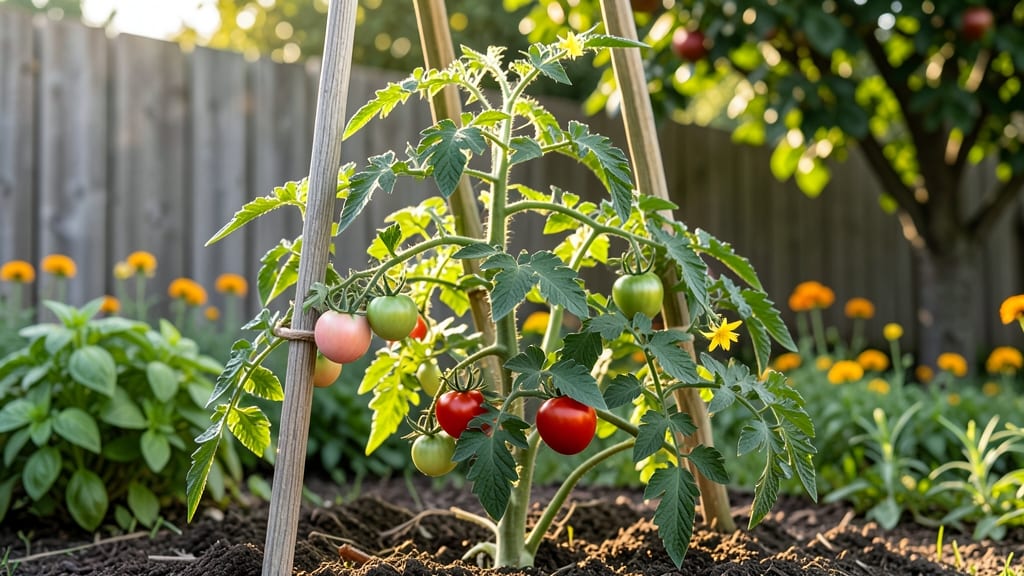
Growing Gardeners Delight tomatoes means disease-resistant vines that climb higher than most varieties—and taste sweeter too. 🌱 I planted mine last spring, and by July, they were covered in glossy green leaves and tiny blossoms, defying the usual tomato troubles that plague my garden.
This heirloom variety thrives in full sun and well-draining soil, but its real superpower is its resilience. Even when other tomatoes wilt under blight, Gardeners Delight keeps producing. The secret? Strong stems, compact growth, and a flavor that balances tangy and sweet—perfect for slicing or sauces.
You’ll harvest 60-80 days after transplanting, with vines that can reach 6-8 feet if given support. Prune regularly to focus energy on fruit, and watch as neighbors ask how you grow tomatoes this big without pesticides.
Perfect for small spaces or trellises, this variety proves you don’t need a sprawling plot for jaw-dropping harvests. Let’s get those seeds in the ground!
📚 In This Guide
- What you need
- Instructions
- Tips and common mistakes
- Wrapping up and next steps
What you need
- ● Gardeners Delight tomato seeds or seedlings – 3–5 plants (for a small garden) or more for larger harvests.
- ● Well-draining potting mix or garden soil – Aim for a rich, fertile blend with compost (60% soil, 40% compost).
- ● Tomato cages or stakes (5–6 ft tall) – 1 per plant to support vines.
- ● Organic mulch (straw or shredded leaves) – 2–3 inches to retain moisture and suppress weeds.
- ● Balanced fertilizer (10-10-10 or 5-5-5) – 1–2 tbsp per plant at planting, then every 3–4 weeks.
- ● Gloves – A pair to protect your hands from thorns and soil.
- ● Trowel or transplanting spade – For digging holes (6–8 inches deep).
- ● Watering can or hose with a gentle spray nozzle – Avoid blasting leaves to prevent disease.
- ● Pruning shears – For trimming suckers and dead leaves.
- ○ pH testing kit (optional but helpful) – Ideal soil pH for tomatoes: 6.0–6.8.
- ● Companion plants – Basil, marigolds, or onions to deter pests.
- ● Drip irrigation system – For consistent moisture without overwatering.
- ● Row covers (early season) – To protect young plants from frost.
- ● Copper fungicide spray – Preemptive measure against blight (common in humid climates).
Step-by-step guide to growing Gardeners Delight tomatoes
Here’s how to coax those legendary, disease-resistant vines into producing bushels of flavorful fruit.
🌱 Step 1: Start Seeds Indoors for Strong Transplants
Begin seeds 6-8 weeks before your last frost date in 2-3 inch deep containers filled with sterile seed-starting mix. Gardeners Delight thrives when given a head start—its vigorous growth demands sturdy seedlings. Plant 1-2 seeds per cell at ¼ inch depth, then cover lightly with mix. Mist the surface until evenly damp but not soggy.
Place trays under a grow light (or in a 75-85°F warm spot) and keep soil consistently moist. You’ll see first true leaves in 7-10 days. This variety’s resistance to common diseases starts with robust roots—don’t rush germination by overwatering. Once seedlings emerge, remove the dome and provide 14-16 hours of light daily to prevent leggy growth.
☀️ Step 2: Harden Off and Transplant After Frost
Two weeks before transplanting, begin hardening off seedlings by placing them outside in partial shade for 1-2 hours the first day. Gradually increase exposure over 10-14 days, ending with full sun. Gardeners Delight’s thick stems handle wind better than many varieties, but this step ensures they adapt smoothly.
Transplant after soil warms to at least 60°F and nighttime temps stay above 50°F. Bury stems deeply—up to ⅔ of the plant’s height—to encourage strong root systems. Space plants 18-24 inches apart in rows 3 feet apart for airflow. Water deeply at transplanting to settle soil and reduce shock.
💧 Step 3: Support Vines and Maintain Consistent Care
Install 5-6 foot tall cages or stakes immediately after transplanting—Gardeners Delight’s vines grow 6-8 feet tall and need support. Weave stems through the cage as they grow to prevent breakage. Water deeply 1-2 times per week, aiming for 1-1.5 inches of water total. Let soil dry slightly between waterings to prevent blossom-end rot.
Fertilize lightly with balanced 10-10-10 at planting, then switch to low-nitrogen 5-10-10 when flowers appear. This variety’s disease resistance shines when stressed—avoid overwatering or crowded foliage. Prune suckers (shoots in leaf axils) to direct energy to fruit production, but leave 1-2 leaves below the first flower cluster to support growth.
✂️ Step 4: Harvest and Extend the Season
Pick tomatoes when fully colored and slightly soft to touch—Gardeners Delight’s fruit ripens 75-85 days after transplanting. Harvest in the morning for peak flavor and store at room temperature until ripe. To prolong harvest, cover plants with frost cloth when nighttime temps dip below 50°F—this variety’s cold tolerance is better than most heirlooms.
Remove spent plants in fall, but save seeds from the best tomatoes for next year. The variety’s disease resistance often improves with saved seed, as it adapts to your local pathogens. Clean up debris immediately to prevent soil-borne diseases from overwintering—Gardeners Delight’s main weakness is fungal pressure in wet conditions.
Tips & tricks for perfect Gardeners Delight tomato plants
These are the hard-won lessons that'll help your Gardeners Delight tomatoes thrive—and avoid the pitfalls I learned the hard way.
Seed Starting: The 6-8 week indoor head start is non-negotiable for Gardeners Delight's vigorous growth. Here's what I learned: use a heat mat set to 75-85°F for faster, more uniform germination. I once skipped this and ended up with uneven seedlings that struggled to compete. Also, those 1-2 seeds per cell? Plant both—you'll need the backup when one inevitably fails to sprout.
Harden Off Gradually: The 10-14 day hardening process is where most beginners rush. Start with just 1-2 hours of shade on day one and increase by 30 minutes daily. I've seen seedlings go from thriving to wilted overnight when moved too quickly. Gardeners Delight's thick stems can handle wind better than most, but sudden sun exposure still stresses them.
Transplanting Pro Tip: Burying stems up to ⅔ of their height might seem counterintuitive, but it's how you get those strong root systems. I used to plant them shallow and wondered why my plants never grew as robustly. Also, make those holes deep enough to accommodate the full root ball—compacted roots struggle to establish. Space those 18-24 inches apart too; crowded plants invite disease.
Support System: Don't wait until vines are already reaching for the sky to install your 5-6 foot cages. Get them in immediately after transplanting. I learned this lesson when I had to wrestle with 4-foot tall vines trying to thread them through cages—messy business. Weave stems through as they grow to prevent breakage, and consider using tomato clips for stubborn branches.
Pro Tips for Gardeners Delight Tomato Plants
- These are the hard-won lessons that'll help your Gardeners Delight tomatoes thrive—and avoid the pitfalls I learned the hard way.
- Seed Starting: The 6-8 week indoor head start is non-negotiable for Gardeners Delight's vigorous growth.
- Harden Off Gradually: The 10-14 day hardening process is where most beginners rush.
Frequently asked questions
How much space do Gardeners Delight tomato plants need?
Gardeners Delight is an indeterminate variety, meaning it grows tall and sprawling—often reaching 6 to 8 feet or more! Give it 18 to 24 inches of space between plants and provide sturdy support structures (like cages or stakes) to keep vines off the ground. If growing in containers, opt for 5-gallon pots or larger to accommodate their deep root systems.
When is the best time to plant Gardeners Delight?
Start seeds 6 to 8 weeks before your last frost date indoors, as they thrive in warm soil. Transplant seedlings outdoors after soil temps hit 55°F+ and nighttime temps stay above 50°F. For most gardeners, this means late spring (April–May in most U.S. zones). Pro tip: Use black plastic mulch to warm the soil faster if your season is short!
What pests or diseases should I watch for with Gardeners Delight?
While Gardeners Delight is disease-resistant, it’s not pest-proof! Keep an eye out for:
- Hornworms: These green caterpillars can devour leaves overnight. Handpick them or use Bt spray.
- Blossom end rot: Caused by calcium deficiency (not a disease!). Ensure consistent watering and add crushed eggshells to the soil.
- Fungal issues (early blight): Prune lower leaves for airflow and avoid overhead watering.
Rotate crops yearly to prevent soil-borne diseases from lingering.
Can I grow Gardeners Delight with other plants?
This variety loves companion planting. Pair it with:
- Basil: Repels pests and enhances flavor.
- Marigolds: Deter nematodes and attract pollinators.
- Avoid planting near: Fennel, dill, or brussels sprouts (they stunt tomato growth).
For a classic trio, add corn and beans nearby for a self-sustaining garden ecosystem!
How do I know when Gardeners Delight tomatoes are ripe?
These tomatoes ripen from the bottom up, turning a deep, rich red when fully ripe. Look for:
- A slight give when gently squeezed (like a ripe avocado).
- Smooth, glossy skin (not wrinkled or dull).
- A sweet, fragrant aroma at the stem end.
If frost threatens, pick green tomatoes and ripen them indoors with a paper bag (place a banana or apple inside to speed up ethylene production).
Wrapping up and next steps
Growing Gardeners Delight tomato plants is a rewarding journey that blends resilience with delicious results! 🌱 These vines thrive with the right care—whether you’re a seasoned gardener or just starting out—and their disease-resistant traits make them a standout choice.
With proper companion planting, pruning, and a little patience, you’ll soon be harvesting juicy, flavorful tomatoes that elevate every dish.
Ready to take the next step? Start by planting your seeds or seedlings this season and watch your garden flourish! For even better yields, experiment with companion plants like basil or marigolds, and don’t forget to share your progress with fellow gardeners. Happy growing! 🌿