
Companion Plants
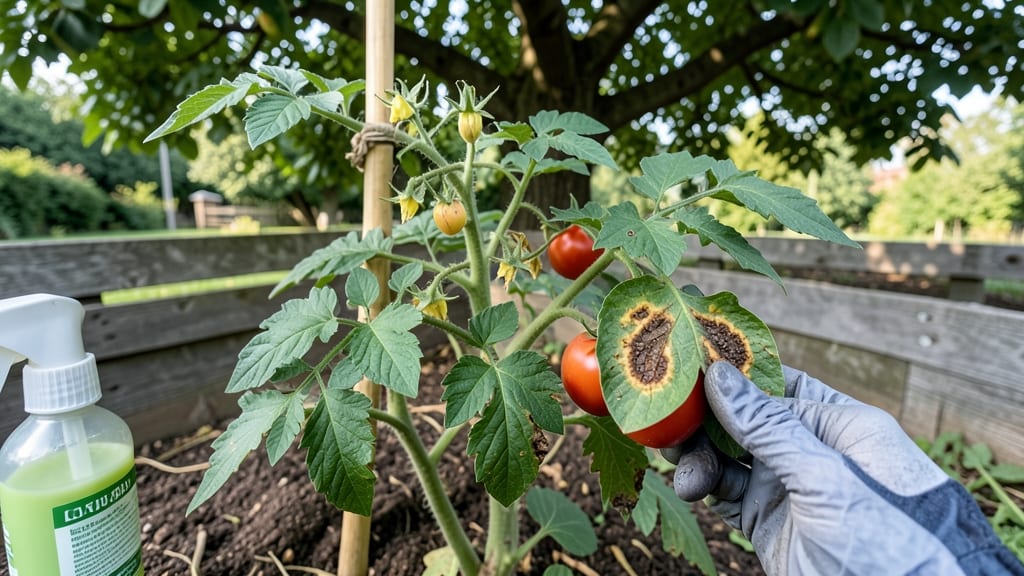
Fungus on tomato plant leaves ruins harvests faster than you can say "blight." 🌱 I’ve lost entire plants to those unsightly brown spots—until I discovered the organic spray combo that stops them dead in their tracks and keeps tomatoes thriving.
The culprits are usually early blight, late blight, or septoria leaf spot, all thriving on damp leaves and poor airflow. You’ll spot them as dark, crusty patches on lower leaves first, then creeping upward.
The key to beating them? Copper spray + neem oil, applied at the first sign of trouble, plus pruning infected foliage to keep air moving. Within a week of treatment, new growth stays clean and plants rebound with vibrant green leaves instead of fungus-ridden messes.
The best part? You’ll still get juicy, blemish-free tomatoes to enjoy all season. Works for both garden beds and containers—just adjust spray frequency based on rain. Here’s exactly how to do it without chemicals.
Hidden Triggers Behind Leaf Fungus
Fungal infections on tomato leaves don’t appear out of thin air—they’re the result of a perfect storm of environmental and cultural factors. Understanding these causes is the first step to preventing them. Below, we break down the key culprits that turn your tomato plants into a fungal buffet.
Fungi thrive in stagnant, moist conditions, where spores can linger and spread unchecked. When tomato plants grow too closely together or are crowded by other plants, airflow is restricted.
This creates a microclimate where humidity stays high, and leaves remain damp for extended periods—ideal for fungal spores like Alternaria, Septoria, and Early Blight to germinate.
- Why it matters: Humidity above 75% for prolonged periods (especially overnight) increases infection risk by 300%.
- Actionable fix: Space plants 18–24 inches apart, prune lower leaves to improve airflow, and avoid overhead watering.
Tomato leaves act like sponges when overwatered, holding moisture that fuels fungal growth. Even morning dew can be problematic if leaves don’t dry quickly. Fungi like Late Blight (Phytophthora infestans) and Fusarium wilt exploit wet conditions to penetrate leaf tissue through stomata (tiny pores) or wounds.
- Why it matters: Water sitting on leaves for 6+ hours creates the perfect breeding ground for spores.
- Actionable fix: Water deeply at the base (early morning or late afternoon), use drip irrigation, and ensure soil drains well. Avoid mulching too close to stems.
Stressed tomatoes are fungal magnets. Stressors like nutrient deficiencies, extreme temperatures, or physical damage weaken the plant’s natural defenses, making it easier for fungi to take hold.
For example: - Nitrogen deficiency → Yellowing leaves (reduced chlorophyll) make plants more susceptible to Septoria leaf spot. - Heat stress → Weakens cell walls, allowing Alternaria to invade. - Mechanical damage (e.g., from hail or rough handling) creates entry points for Fusarium or Verticillium.
- Why it matters: A healthy plant can resist fungal attacks for weeks longer than a stressed one.
- Actionable fix: Maintain balanced soil (test pH: 6.0–6.8), fertilize with potassium-rich compost, and avoid overcrowding.
Fungal spores persist in soil for years, waiting for the right conditions to reactivate. If previous tomato crops (or other nightshades like peppers) had fungal issues, spores may still lurk in the soil, infecting new plants.
Even compost or manure can harbor dormant fungi if not properly heated (above 140°F/60°C) during decomposition.
- Why it matters: Some spores, like Verticillium, can survive 10+ years in soil.
- Actionable fix: Practice crop rotation (avoid planting tomatoes in the same spot for 3 years), solarize soil in summer, or use fungicide-treated seeds.
While some plants (like basil, marigolds, or nasturtiums) repel pests, others can worsen fungal spread by:
- Shading leaves (e.g., tall sunflowers) → Traps moisture.
- Hosting fungal spores (e.g., moldy hay or wet mulch from nearby plants).
- Competing for nutrients → Weakens tomatoes, making them vulnerable.
- Why it matters: Poor companions can double fungal pressure in dense gardens.
- Actionable fix: Choose fungus-resistant companions (e.g., garlic, thyme, or onions) and avoid planting tomatoes near potatoes or eggplants (same fungal risks).
Fungi are opportunistic—they exploit sudden changes in weather. For example:
- Cool, wet springs → Favor Early Blight and Septoria.
- Hot, humid summers → Trigger Late Blight outbreaks.
- Frequent rain → Washes spores onto leaves, increasing infection rates.
- Why it matters: A 5-day stretch of rain can turn a minor fungal risk into an epidemic.
- Actionable fix: Monitor local fungal alerts (e.g., from your state’s agricultural extension), use row covers in rainy seasons, and adjust watering schedules.
Fungal infections on tomato leaves are rarely random—they’re a direct response to environmental stress. By addressing airflow, moisture, plant health, soil safety, and weather risks, you can dramatically reduce the chances of an outbreak.
The next step? Organic sprays and preventive tactics to keep your tomatoes fungus-free! 🌱✨
How to solve it
Fungal infections on tomato leaves can feel like a losing battle, but with the right approach, you can restore your plants to full, healthy glory. The key is acting fast, identifying the root cause, and applying targeted solutions—preferably organically—to keep your harvest safe and thriving.
Below, we’ll break down the most common fungal issues and the effective, easy-to-follow fixes for each, plus prevention tips to keep future outbreaks at bay.
Signs: Concentric rings on leaves, yellowing lower foliage, brown spots with tan centers.
Early blight thrives in warm, humid conditions and spreads via infected soil or plant debris. Here’s how to stop it in its tracks:
- 🍳 Remove and destroy infected leaves immediately—don’t compost them! Place them in a sealed bag and toss them in the trash to prevent spores from spreading.
- 👨🍳 Apply a copper fungicide spray (like Copper Soap) every 7–10 days. Copper disrupts fungal growth without harming beneficial insects. Mix 1 tablespoon of copper sulfate per gallon of water for a DIY version.
- 🥘 Improve airflow by pruning crowded branches and spacing plants 18–24 inches apart. Use stakes or cages to keep foliage off the ground.
- ⏰ Mulch with straw or grass clippings (not wood chips) to keep soil moist but prevent splashing spores onto leaves.
💡 Prevention Tip: Plant tomatoes in a different spot each year—early blight can linger in the soil for years. Rotate with crops like beans, peas, or lettuce.
Signs: Rapidly spreading dark green or purple lesions with white fuzzy growth (spores) on the undersides of leaves.
Late blight is the most destructive tomato fungus and can wipe out plants in days. Act immediately:
- 🔪 Prune and dispose of infected leaves—this disease spreads faster than early blight. Wear gloves and sanitize pruners with rubbing alcohol.
- 🍳 Spray with a baking soda solution (1 tablespoon baking soda + 1 teaspoon dish soap + 1 gallon water). Reapply every 5–7 days. Baking soda raises the leaf pH, making it inhospitable for fungi.
- 👨🍳 Use a commercial organic fungicide like Serenade Garden Disease Control (contains Bacillus subtilis, a beneficial bacterium). Follow label instructions for best results.
- 🌡️ Reduce humidity by watering early in the day (so leaves dry by evening) and avoiding overhead irrigation.
💡 Prevention Tip: Monitor weather forecasts—late blight thrives in temperatures between 60–80°F with high humidity. If rain is forecasted, apply a preventive spray the night before.
Signs: White, powdery patches on leaves (like flour dust), stunted growth, and yellowing.
Powdery mildew loves dry heat and poor airflow. Here’s how to banish it without chemicals:
- 🍳 Blast leaves with water to dislodge spores. Use a hose on a mist setting early in the morning for best results.
- 👨🍳 Make a neem oil spray (2 teaspoons neem oil + 1 teaspoon mild soap + 1 quart water). Shake well and spray both sides of leaves at dusk. Neem disrupts fungal growth and deters future spores.
- 🥘 Increase airflow by trimming dense foliage and using a small fan (on low) near plants for 1–2 hours daily.
- 🌿 Plant companion crops like marigolds, garlic, or basil nearby—they repel fungi and improve air circulation.
💡 Prevention Tip: Space plants generously and avoid overhead watering. If mildew appears yearly, consider resistant tomato varieties like ‘Mountain Merit’ or ‘Defiant PhR.’
For preventive care, keep these easy-to-make sprays ready:
| Spray | Recipe | How to Use |
|---|---|---|
| Garlic & Chili Spray | Blend 2 cloves garlic + 1 chili pepper + 1 quart water. Strain and add 1 teaspoon soap. | Spray every 2 weeks or after rain. Smells strong but works wonders! |
| Milk Spray | Mix 1 part milk (or buttermilk) with 9 parts water + 1 teaspoon soap. | Spray on leaves weekly. The fatty acids in milk inhibit fungal growth. |
| Hydrogen Peroxide Spray | 3% hydrogen peroxide (1 part) + water (9 parts). Add 1 teaspoon soap. | Spray every 10 days. Safe for all plants and breaks down quickly. |
💡 Pro Tip: Always test sprays on a small leaf first to avoid burning tender foliage. Apply in the early morning or late evening to prevent leaf scorch from sunlight.
With these targeted fixes, your tomato plants can bounce back faster than you think. The secret? Speed, consistency, and prevention. Once your plants recover, they’ll reward you with juicy, disease-free tomatoes all season long!
Frequently asked questions
How do I tell if my tomato leaves have fungus or just sunburn?
Fungal spots usually appear as dark brown or black patches with irregular edges, often surrounded by yellow halos. Sunburn shows up as white or gray patches on leaf edges or areas exposed to intense sunlight. Fungal spots may also have fuzzy growth (spores) on undersides, while sunburned leaves feel dry and papery.
Can I still harvest tomatoes if the leaves have fungus?
Yes, but only if the fungus hasn't reached the fruit yet! Remove and destroy infected leaves immediately to prevent spores from spreading. Harvest tomatoes as soon as they ripen, and avoid touching healthy leaves when picking. The fungus rarely spreads to fruit unless it's late blight, which requires immediate action.
Will my tomato plants recover if I treat the fungus early?
With prompt treatment (within 3-5 days of first signs), most tomato plants can fully recover. Prune infected leaves, improve airflow, and apply organic sprays like copper fungicide or neem oil. New growth will emerge clean, and your plant can continue producing fruit. The key is consistency—keep treating every 7-10 days until the threat passes.
Is it safe to compost tomato leaves with fungus?
No, never compost infected leaves! Fungal spores can survive composting and reinfect your garden. Instead, seal them in a plastic bag and throw them in the trash. The heat of proper composting (140°F/60°C) kills most pathogens, but fungal spores are too resilient.
How often should I spray preventive fungicides on my tomato plants?
For organic prevention, spray every 10-14 days during peak growing season (spring to early fall). Increase to every 7 days if your area has high humidity or frequent rain. Early morning or late evening applications work best. Common options include neem oil, baking soda spray, or hydrogen peroxide solution.