
Vegetables
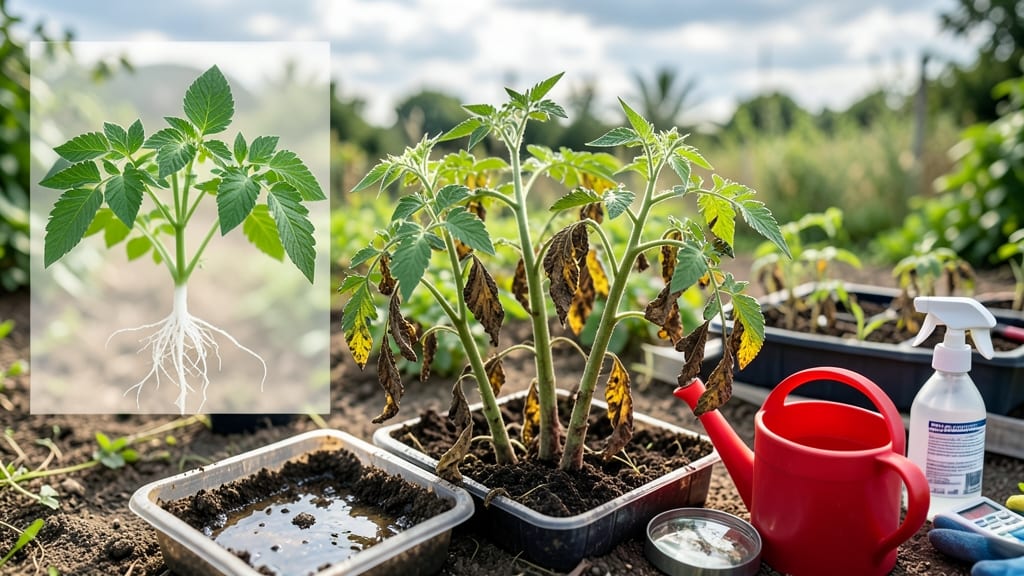
Your dying tomato seedlings aren’t dead yet—they just need a root rescue. 🌱 I’ve pulled back more than a few limp stems from the brink, and the fix often comes down to one overlooked factor: the soil beneath those fragile stems.
Whether it’s soggy roots, fungal rot, or a temperature shock, the solution starts with what you can’t see underground.
Most wilting happens from overwatering or damping-off—that fuzzy gray mold at the soil line is your first clue. Other red flags: dark, mushy stems (root rot) or seedlings that topple like they’ve been cut at the base.
The good news? You can often turn things around in 24-48 hours with the right adjustments—no replanting required.
Here’s the game-changer: dry out the soil, trim the damage, and give them fresh air. No fancy tools needed—just a clean knife, some well-draining mix, and a sunny spot away from damp conditions. By tomorrow, you’ll see those stems perk up again if the roots are still alive.
Prevent future heartbreak with bottom-watering, proper spacing, and a seedling heat mat for cool snaps. Trust me, your next batch will be sturdy enough to handle a hurricane. Let’s get those roots breathing again.
Root Causes Of Seedling Failure
Understanding why your tomato seedlings are struggling starts with identifying the hidden culprits lurking in soil, light, or care routines. These tiny plants are delicate but resilient—when they fail, it’s usually due to a mix of environmental stress, biological attacks, or human error.
Let’s break down the most common reasons with clear science and actionable fixes.
Tomato seedlings drown when their roots suffocate in soggy soil, cutting off oxygen and inviting root rot (Phytophthora or Pythium fungi).
Overwatering is the #1 killer of seedlings because: - Compacted soil traps excess moisture, creating anaerobic zones where roots can’t breathe. - Slow-draining containers (like plastic trays without drainage holes) trap water at the bottom, rotting roots before they can establish. - Cold, wet soil (below 60°F/15°C) slows microbial activity, delaying decomposition and worsening waterlogging.
🔍 Signs: Yellowing leaves, mushy stems, seedlings falling over easily, foul-smelling soil.
✨ Pro Tip: Use a moisture meter or the "finger test"—stick your finger 1 inch deep. If it’s damp, wait. If it’s bone-dry, water lightly.
While overwatering is deadly, chronic dehydration weakens seedlings just as surely.
Tomato plants are 90% water—when soil dries out: - Cell walls collapse, causing wilting (even if watered later, damage is done). - Nutrient uptake halts, leading to stunted growth or nutrient deficiency (e.g., yellowing between leaf veins = nitrogen stress). - Seedlings "dry out" too fast in hot, dry conditions or when transplanted too early.
🔍 Signs: Crispy leaf edges, wilting that doesn’t recover at night, slow growth, soil pulling away from pot edges.
💡 Fix: Water consistently—aim for 1 inch of water per week (more in heatwaves). Use self-watering trays or mulch (like coconut coir) to retain moisture.
Seedlings are prime targets for pathogens because their thin cell walls can’t fight off invaders. The two biggest threats: 1. Damping-Off (Fungi) – Rhizoctonia or Pythium attack the stem at soil level, causing it to rot and collapse. - Trigger: Overcrowded seedlings, high humidity, contaminated soil.
- Early Blight (Fungus) – Alternaria solani causes brown spots on lower leaves, spreading upward. - Trigger: Poor airflow, wet foliage, old compost.
🔍 Signs: Seedlings toppling over (damping-off), dark lesions on stems, yellow halos around spots.
🔥 Prevention:
- Sterilize soil (bake at 200°F/93°C for 30 mins or use hydrogen peroxide spray).
- Space seedlings 2–3 inches apart for airflow.
- Avoid overhead watering—use a watering wand at soil level.
Tomatoes love warmth (70–85°F/21–29°C) but hate extremes:
- Too Cold (<50°F/10°C): Slows germination, causes blackened, stunted seedlings (chilling injury).
- Too Hot (>95°F/35°C): Leaves scorch (bleached or crispy edges) or bolt (flower prematurely).
- Inconsistent Light: Leggy, weak seedlings (stretched toward light) or purple stems (phosphorus deficiency from poor photosynthesis).
🔍 Signs: Slow growth, pale/yellow leaves, seedlings leaning toward a window, etiolation (long, weak stems).
🌡️ Fix:
- Use grow lights 12–16 hours/day if natural light is weak.
- Keep trays on a heat mat (70–75°F/21–24°C) for germination.
- Acclimate gradually to outdoor temps (harden off over 1–2 weeks).
Seedlings starve when soil lacks macronutrients (NPK) or has toxic buildup:
- Nitrogen (N) Deficiency: Pale green/yellow leaves (can’t make chlorophyll).
- Phosphorus (P) Deficiency: Purple stems/leaves (can’t flower/fruit).
- Over-fertilized Seedlings: Salt burn (white crust on soil) or leaf tip burn (too much fertilizer too soon).
🔍 Signs: Stunted growth, yellowing between veins, slow recovery after watering.
💪 Solution:
- Use balanced starter fertilizer (5-5-5 or 10-10-10) lightly (½ tsp per gallon of water).
- Test soil pH (aim for 6.0–6.8—tomatoes hate acidic soil).
- Avoid compost tea early—it can introduce pathogens.
Even healthy seedlings crash after moving if:
- Roots are disturbed during repotting (cutting off nutrient flow).
- Transplanted too deep (buried stem = rot or stem rot).
- Exposed to wind/drafts (desiccates leaves).
🔍 Signs: Wilting within 24–48 hours, blackened stems at soil line, epinasty (curled downward leaves).
👨🍳 Fix:
- Hardening off (acclimate to outdoor temps over 5–7 days).
- Plant at the same depth as the original pot (look for the stem’s "waist" where roots start).
- Water deeply before and after transplanting to reduce shock.
Tiny but deadly, pests like:
- Fungus Gnats (larvae eat roots, adults lay eggs in moist soil).
- Aphids (suck sap, spread viruses, cause sticky honeydew).
- Cutworms (chew stems at night, toppling seedlings).
🔍 Signs: Holes in leaves, wilting that worsens at night, sawdust-like frass (insect droppings).
🎯 Prevention:
- Yellow sticky traps for fungus gnats.
- Neem oil spray (1 tsp per quart of water) for aphids.
- Diatomaceous earth (food-grade) around pots to deter cutworms.
Not all seeds are created equal! Seedlings may fail due to:
- Old or low-quality seeds (viability drops after 1–2 years).
- Improper storage (moisture/dampness = moldy seeds).
- Hybrid weaknesses (some F1 hybrids struggle in cool climates).
🔍 Signs: No germination after 2 weeks, weak or deformed seedlings, inconsistent growth.
🔥 Fix: Buy from reputable suppliers, store seeds in a cool, dry place, and test germination (plant 3–5 seeds to check viability).
Revive & Prevent Seedling Struggles
Now that you know the culprits behind your wilting tomato seedlings, it’s time to turn things around! Below are practical, step-by-step fixes tailored to each common cause—plus prevention tips to keep your future plants thriving. 🌱💪
Signs: Yellowing leaves, mushy stems, or seedlings falling over like jelly.
How to Fix It: 🔥 Step 1: Pause Watering Immediately
- Let the soil dry out completely before watering again. Stick your finger 1 inch deep—if it’s damp, wait.
🍳 Step 2: Improve Drainage
- If seedlings are in pots, poke holes in the bottom (if none exist) and add a layer of gravel or perlite to the drainage tray.
- For garden beds, amend the soil with compost or coarse sand to loosen compacted areas.
👨🍳 Step 3: Repot if Necessary
- If roots are rotting, gently remove the seedling, trim any black/mushy roots with sterilized scissors, and replant in fresh, well-draining potting mix.
🥘 Step 4: Water Smarter
- Use a spray bottle or drip irrigation to water at the base, not overhead. Aim for 1 inch of water per week (adjust for rain).
Prevention Tip: 💡 "Never let seedlings sit in saucers of water—always empty excess after watering!"
Signs: Crispy edges, bleached leaves, or seedlings wilting in the heat.
How to Fix It: 🔥 Step 1: Provide Shade
- Move seedlings to a spot with 4–6 hours of morning sun (or use a light shade cloth if temps exceed 85°F/29°C).
🍳 Step 2: Mulch to Retain Moisture
- Apply a thin layer of straw or mulch around seedlings to keep soil cool and hydrated.
👨🍳 Step 3: Water Deeply in the Morning
- Early AM watering reduces evaporation. Aim for the roots, not the leaves, to prevent scorching.
🥘 Step 4: Harden Off Gradually
- If seedlings were indoors, acclimate them by placing them outside for 1–2 hours daily, increasing time over a week.
Prevention Tip: 🌡️ "Tomatoes love heat but hate sudden spikes—avoid planting during peak afternoon sun in hot climates."
Signs: Chewed leaves, white fuzz (mold), or sticky residue (aphids).
How to Fix It: 🔥 Step 1: Isolate Infected Seedlings
- Move affected plants away from healthy ones to prevent spread.
🍳 Step 2: Treat Fungal Issues (Powdery Mildew, Damping Off)
- Spray with a mix of 1 tsp baking soda + 1 quart water + a drop of dish soap (reapply every 7–10 days).
- Remove infected leaves and ensure good airflow (space seedlings 12–18 inches apart).
👨🍳 Step 3: Combat Pests Naturally
- Aphids/Whiteflies: Blast off with water or use neem oil spray (1 tbsp neem oil + 1 tsp soap per quart of water).
- Cutworms: Wrap stems with cardboard collars or apply diatomaceous earth around the base.
🥘 Step 4: Sterilize Tools & Soil
- Clean pruners with rubbing alcohol, and replace contaminated soil if damping off is severe.
Prevention Tip: ✨ "Rotate crops yearly and avoid overhead watering to deter fungal spores!"
Signs: Dry, brittle leaves, stunted growth, or pale yellowing (chlorosis).
How to Fix It: 🔥 Step 1: Check Soil Moisture
- Water slowly until it drains from the bottom—seedlings need consistent moisture, not drought cycles.
🍳 Step 2: Fertilize Gently
- Use a balanced, water-soluble fertilizer (like 5-5-5) diluted to half strength. Avoid high-nitrogen mixes—they burn seedlings.
- Fish emulsion or compost tea adds nutrients without harsh chemicals.
👨🍳 Step 3: Boost with Micronutrients
- If leaves are yellow between veins (magnesium deficiency), spray with Epsom salt solution (1 tbsp per gallon of water).
🥘 Step 4: Transplant if Root-Bound
- If roots circle the pot, uproot carefully and replant in a larger container with fresh soil.
Prevention Tip: 📊 "Test soil pH (ideal: 6.0–6.8) and amend with lime or sulfur if needed—tomatoes hate extremes!"
Signs: Wilting, curled leaves, or slow recovery after moving seedlings.
How to Fix It: 🔥 Step 1: Water Before & After Transplanting
- Soak roots in water for 10 minutes before planting, then water deeply afterward.
🍳 Step 2: Support Weak Seedlings
- Use small stakes or tomato cages to prevent flopping while they adjust.
👨🍳 Step 3: Shield from Stressors
- Keep newly transplanted seedlings in partial shade for 3–5 days to reduce shock.
🥘 Step 4: Avoid Fertilizing Immediately
- Wait 1–2 weeks before feeding—focus on root establishment first.
Prevention Tip: 🎯 "Transplant on a cloudy day or in the late afternoon to minimize sun stress!"
Frequently asked questions
Why do my tomato seedlings suddenly wilt even after watering?
This usually means root rot from overwatering or fungal infection like damping-off. Check for mushy stems or foul-smelling soil—these are red flags. Try repotting in fresh, dry potting mix and let the soil dry out completely between waterings.
Can I save tomato seedlings with blackened stems at the soil line?
Possibly! If the blackened area is only at the very base (not the entire stem), trim above the damage with sterilized scissors and replant in clean soil. For severe cases, check for damping-off fungus and treat with a baking soda spray (1 tsp per quart of water).
How often should I water tomato seedlings to prevent wilting?
Aim for 1 inch of water per week, adjusting for heat or rain. Use the finger test: stick your finger 1 inch deep—if damp, wait. Morning watering prevents evaporation, and always water at the base to avoid fungal issues.
What’s the best way to harden off tomato seedlings before transplanting?
Start by placing seedlings outside for 1–2 hours daily, gradually increasing time over 5–7 days. Shield from direct sun and wind, and avoid transplanting during heatwaves. Water deeply before and after moving to reduce shock.
Are my tomato seedlings too leggy—can I still save them?
Yes! Bury 1/3 of the stem when transplanting to encourage new root growth. Use a grow light (12–16 hours/day) if natural light is weak, and pinch off the top leaves to redirect energy to root development.