
Planting
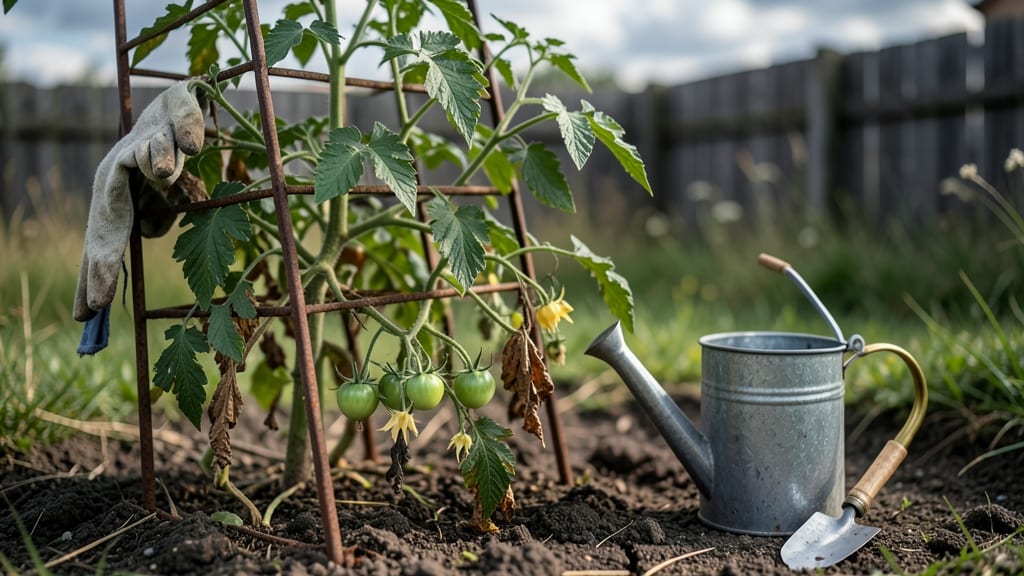
Your droopy tomato plant isn’t a lost cause—it’s just sending an SOS. 🌱 Most of the time, a quick check of soil moisture, leaf texture, and stem firmness reveals the fix in under five minutes.
I’ve revived plants that looked like they’d give up by simply adjusting one thing: water, support, or shade. The real game-changer? Not guessing. Wilting from thirst looks different than wilting from too much water—one leaves yellow, the other stays green but limp. Heat stress?
Leaves curl upward like they’re begging for shade. Grab a trowel and a spray bottle; we’ll diagnose this in minutes and get those vines perky again. By the end of this, you’ll spot the difference between a plant that just needs a drink and one that’s begging for help.
The best part? Most fixes take less than 5 minutes and prevent future droopiness. Let’s turn this around before the tomatoes notice.
Start by feeling the soil—if it’s dry an inch down, water deeply until it’s moist but not soggy. If the leaves feel spongy or have dark spots, you’re overwatering. For heat stress, move the plant to partial shade and mist the leaves to cool them down.
Pests? Check the undersides of leaves for tiny bugs or sticky residue. The real secret weapon is consistency. Tomato plants hate inconsistency—whether it’s water, light, or temperature. Once you identify the issue, address it immediately.
A droopy plant can bounce back faster than you think, especially if you catch it early. Think of this as a quick health check, not a last resort.
For long-term success, mulch around the base to keep soil moisture steady and add a cage or stakes now to prevent future sagging. A little prevention goes a long way—tomatoes thrive when they’re supported, watered right, and not stressed.
You’ll know you’ve nailed it when those vines are sturdy and the leaves are vibrant again.
Root Causes Of Wilting Tomato Vines
When your tomato plants start looking droopier than a sad cartoon character, it’s usually a sign that something’s off below the soil—or even in the air. Understanding the root causes (literally and figuratively) is the first step to revival.
Let’s break down the most common reasons your tomato plants are wilting and why they happen.
💧 Overwatering Or Poor Drainage
Tomatoes are thirsty plants, but too much water can be just as harmful as too little. Overwatering leads to root suffocation—when roots sit in waterlogged soil, they can’t absorb oxygen, leading to anaerobic conditions.
This causes roots to rot, starving the plant of nutrients and water, even though the soil looks wet. Poor drainage (often due to compacted or clay-heavy soil) exacerbates the problem by trapping excess moisture.
🔹 Why it happens:
- Excessive irrigation: Watering on a strict schedule without checking soil moisture (e.g., daily in hot weather when the plant may only need water every 2–3 days).
- Improper containers: Pots without drainage holes or raised beds that don’t allow water to escape.
- Heavy soil types: Clay or silt-heavy soils hold water like a sponge, preventing roots from breathing.
💡 Pro tip: Stick your finger 1–2 inches into the soil before watering. If it’s damp, wait. If your soil is clay-based, amend it with compost or perlite to improve aeration.
☀️ Heat Stress Or Sunburn
Tomatoes love sunlight, but when temperatures soar—especially above 90°F (32°C)—they can suffer from heat stress. This causes leaves to wilt, turn yellow, or develop sun scald (white or brown patches).
High heat also increases transpiration (water loss through leaves), which can outpace the plant’s ability to absorb moisture from the soil.
🔹 Why it happens:
- Intense afternoon sun: Tomatoes in hot climates (or greenhouses) may get overwhelmed by midday rays, especially if they’re not acclimated.
- Lack of shade: Young plants or those suddenly moved to full sun can’t handle the abrupt change.
- Water loss imbalance: Roots can’t keep up with the rapid evaporation from leaves, leading to droop.
🌡️ Pro tip: Use shade cloth (30–50%) during peak hours or mulch heavily to retain soil moisture. Water deeply in the early morning to reduce evaporation.
🌱 Nutrient Deficiencies Or Imbalances
A droopy tomato plant might be hungry—not just for water, but for essential nutrients. While wilting is often linked to water issues, deficiencies in potassium, nitrogen, or magnesium can weaken the plant’s cellular structure, causing leaves to lose turgor (firmness). For example:
- Potassium deficiency: Leads to weak stems and poor water regulation in cells.
- Nitrogen deficiency: Slows growth, making plants more susceptible to stress.
- Magnesium deficiency: Causes interveinal chlorosis (yellowing between leaf veins), which can mimic water stress.
🔹 Why it happens:
- Poor soil quality: Soil lacking organic matter or essential minerals can’t support healthy root function.
- Over-fertilizing with nitrogen: While nitrogen promotes leafy growth, too much can burn roots and disrupt nutrient uptake.
- pH imbalances: Soil that’s too acidic (<5.5) or alkaline (>7.0) locks out nutrients like phosphorus and iron.
💡 Pro tip: Test your soil’s pH and nutrient levels with a DIY kit or send a sample to a local extension office. Amend with balanced fertilizer (10-10-10 or 5-10-10) or compost to restore balance.
🐛 Pest Or Disease Damage
Hidden threats like aphids, spider mites, or fungal diseases (such as early blight or fusarium wilt) can sap your tomato plant’s energy, leading to wilting. Pests suck sap, while diseases clog xylem vessels (the plant’s water transport system), preventing water from reaching the leaves.
🔹 Why it happens:
- Sap-sucking insects: Aphids, whiteflies, or mites pierce leaves and stems, causing plasmolysis (cell dehydration).
- Fungal infections: Diseases like fusarium wilt or verticillium wilt block water transport in vascular tissues.
- Root-feeding pests: Grubs or nematodes damage roots, reducing the plant’s ability to absorb water.
🛡️ Pro tip: Inspect leaves and stems for honeydew, webbing, or discoloration. Treat with neem oil (for pests) or copper fungicide (for diseases). For root issues, apply beneficial nematodes.
🌬️ Environmental Stressors
Tomatoes are sensitive to sudden changes in their environment. Wind, drought, or even transplant shock can cause temporary wilting as the plant adjusts. For example:
- Wind damage: Rapid water loss from transpiration (especially in young plants) can lead to droop.
- Drought stress: Even a single day of extreme heat without water can cause permanent wilting if roots are shallow.
- Transplant shock: Moving plants disrupts root systems, slowing nutrient and water uptake.
🔹 Why it happens:
- Exposure to elements: Plants in open fields or containers may dry out faster in windy or hot conditions.
- Inconsistent care: Skipping watering during a heatwave or moving plants without acclimation.
- Shallow root systems: Young or container-grown tomatoes have limited root depth, making them vulnerable to fluctuations.
✨ Pro tip: Use windbreaks (like burlap or trellises) to shield plants. For transplants, water deeply before and after moving and avoid full sun for 3–5 days.
Quick Fixes for Floppy Tomato Vines
A drooping tomato plant can feel like a gardening crisis, but with the right approach, you can often revive it in minutes—no green thumb required! Below are practical, step-by-step solutions tailored to the most common causes of weak, wilted, or sagging tomato plants.
Each fix includes prevention tips to keep your vines strong for the rest of the season.
Signs: Yellowing leaves, mushy stems, or dry, crispy foliage.
How to Fix It:
- Check the Soil 🌱
- Stick your finger 1–2 inches deep into the soil. If it’s soggy (like a wet sponge), you’re overwatering. If it’s bone-dry, it’s time to hydrate.
- Pro Tip: Use a moisture meter for accuracy—no guesswork!
- Adjust Your Watering Routine 💦 - Overwatered? Let the soil dry out slightly between waterings. Improve drainage by adding perlite or compost to heavy clay soil. - Underwatered? Water deeply at the base (not the leaves!) in the early morning.
Aim for 1–1.5 inches of water per week, adjusting for heat.
- Mulch Like a Pro 🌿
- Spread 2–3 inches of mulch (straw, grass clippings, or wood chips) around the base to retain moisture and regulate temperature.
Prevent Future Issues: ✅ Water early in the day to reduce evaporation and fungal risks. ✅ Use drip irrigation or soaker hoses to deliver water directly to roots. ✅ Avoid watering leaves—this promotes disease.
Signs: Wilting during the day (but perks up at night), brown or bleached patches on leaves, or a "limp" appearance in extreme heat.
How to Fix It:
- Provide Temporary Shade 🏖️
- If temps hit 90°F+ (32°C+), drape lightweight shade cloth (30–50%) over the plants for a few hours.
- Quick Hack: Use white bedsheets or old t-shirts stapled to stakes—cheap and effective!
- Water Strategically 💧
- Morning watering is key—it cools the plant and replaces lost moisture before the heat peaks.
- Mist leaves lightly (early morning only) to lower temperature, but avoid soggy foliage.
- Support Weak Stems 🌿
- If stems are too soft from heat, gently tie them to stakes or cages to prevent snapping.
Prevent Future Issues: ✅ Plant heat-tolerant varieties like ‘Heatmaster’ or ‘Solar Fire’ next season. ✅ Avoid fertilizing during heatwaves—it stresses plants further. ✅ Reflective mulch (like aluminum foil) can reduce soil temps by 10°F+.
Signs: Dark spots on leaves, yellowing, wilting, or a fuzzy white/gray growth on stems.
How to Fix It:
- Prune the Damage ⚔️
- Remove infected leaves/stems with sterilized pruners (wipe with rubbing alcohol).
- Dispose of clippings in the trash (not compost)—don’t spread spores!
- Boost Airflow 🌬️
- Space plants 18–24 inches apart and prune lower leaves to improve circulation.
- Consider removing nearby plants that might be harboring disease.
- Fungal Treatments 🛡️
- Baking Soda Spray: Mix 1 tsp baking soda + 1 quart water + a drop of dish soap. Spray every 7–10 days.
- Copper Fungicide: Follow package instructions for a chemical-free option.
- Neem Oil: A natural fungicide—spray weekly for prevention.
Prevent Future Issues: ✅ Water at the base only—never overhead. ✅ Rotate crops—don’t plant tomatoes in the same spot next year. ✅ Start with disease-resistant seeds (look for labels like “VFN” for virus/fungal resistance).
Signs: Yellowing leaves (especially older ones), stunted growth, or weak stems that can’t support fruit.
How to Fix It:
- Test Your Soil 📊
- Grab a DIY soil test kit (or send a sample to your local extension office). Tomatoes thrive in pH 6.0–6.8.
- Amend the Soil 🌿
- Mix in compost or aged manure for organic matter.
- Add balanced fertilizer (10-10-10) or a tomato-specific feed (high in potassium and phosphorus).
- Epsom Salt Boost 💪
- 1 tablespoon Epsom salt per gallon of water can fix magnesium deficiency (yellowing between leaf veins).
- Apply every 2 weeks until leaves green up.
Prevent Future Issues: ✅ Side-dress with compost halfway through the season for a nutrient boost. ✅ Avoid over-fertilizing—too much nitrogen = lush leaves, but weak fruit. ✅ Use slow-release fertilizer for steady growth.
Signs: Chewed leaves, holes in stems, or sudden wilting with no other obvious cause.
How to Fix It:
- Identify the Culprit 🕵️
- Aphids/Spider Mites? Spray with soapy water (1 tsp mild soap per quart of water).
- Corn Earworms or Hornworms? Handpick them off (they’re big and easy to spot!).
- Root-Knot Nematodes? Replace infested soil or use marigolds as a trap crop.
- Strengthen the Plant 🛡️
- Cage or stake the plant to support weak stems.
- Apply mulch to deter pests from burrowing near roots.
Prevent Future Issues: ✅ Encourage beneficial insects (ladybugs, lacewings) with neem oil or companion plants (basil, marigolds). ✅ Rotate crops to break pest life cycles. ✅ Inspect plants weekly—catch pests early!
Final Pro Tip: 🌟 If your plant is severely droopy but roots are still firm, it might just need a good drink and a break in the shade for a day. Often, a little TLC is all it takes!
Frequently asked questions
Why does my tomato plant droop in the afternoon but perk up at night?
This classic "daytime droop" usually means heat stress or underwatering. During hot afternoons, your plant loses water faster than roots can absorb it. The nighttime recovery happens because cooler temps slow evaporation. Try watering deeply in the early morning and providing shade cloth (30-50%) during peak sun hours to prevent this cycle.
How can I tell if my droopy tomato plant is dying or just thirsty?
Check the stem firmness and leaf texture: Thirsty plants have crispy leaves that feel dry to the touch, while dying plants develop mushy stems or blackened veins. Also, gently tug on a leaf—if it snaps easily, it's thirsty; if it pulls away with resistance, roots may be rotting from overwatering.
Will pruning help a droopy tomato plant recover?
Pruning can actually speed up recovery by improving airflow and redirecting energy to healthy growth. Focus on removing yellow leaves and suckers (side shoots), but avoid cutting more than 25% of foliage at once. For severely droopy plants, prune only the bottom 1/3 of the plant to reduce water loss.
Can I save a tomato plant that's been droopy for over a week?
It depends! If the roots are still firm (not mushy) and you can see new green growth starting, there's hope. Give it 24 hours of shade, water deeply, and apply Epsom salt solution (1 tbsp per gallon) to boost magnesium. If stems feel hollow or leaves are completely brown, the plant may be beyond saving.
Why does my container-grown tomato plant droop more than my in-ground ones?
Container plants droop faster because their root systems are more limited and soil dries out quicker. Use larger pots (at least 5 gallons) with fast-draining mix (60% potting soil, 30% perlite, 10% compost). Water container tomatoes every morning and place them in shaded areas during heatwaves to prevent rapid moisture loss.