
Plants
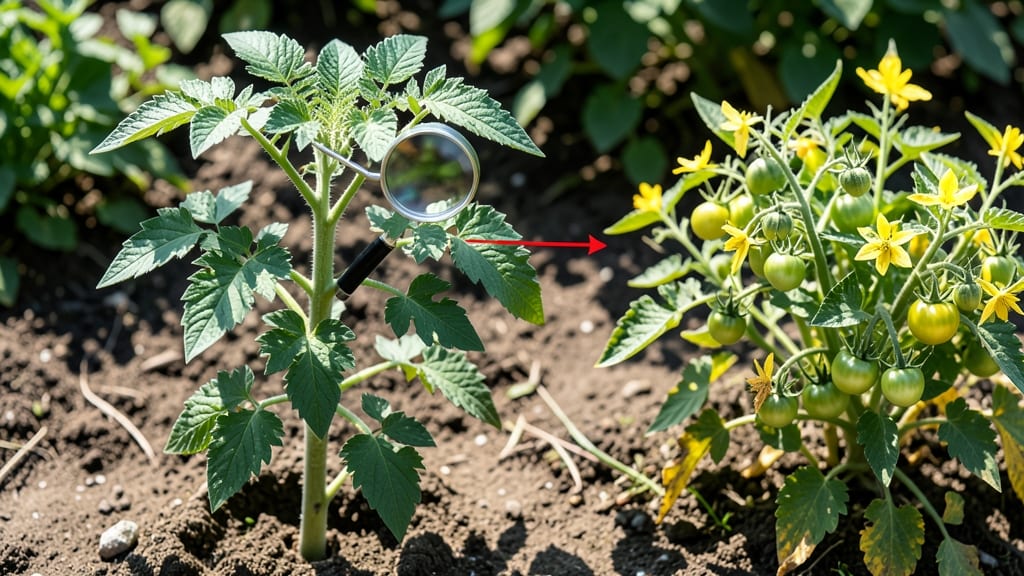
Your tomato plants are putting out leaves but no buds?
That’s a classic sign your plants are stressed—whether from too much shade, inconsistent watering, or nutrient gaps. 🌱 I’ve seen this happen more times than I’d like to admit, but the good news is it’s almost always fixable with a few targeted adjustments.
The key is identifying which factor is holding them back before they give up entirely.
Most of the time, the issue boils down to three things: light, water, or nutrients. Tomato plants need 6-8 hours of direct sun daily, soil that stays consistently moist but not soggy, and a steady supply of phosphorus and potassium (the "bloom boosters").
Skimp on any of these, and your plants will focus on leaves instead of flowers. Even a single missed watering can trigger bud drop, so consistency matters more than volume.
Here’s the game-changer: prune suckers aggressively (yes, even the small ones) to redirect energy to existing flowers, then fertilize with a balanced 10-10-10 or 5-10-10 formula. Within 7-10 days, you’ll often see new flower clusters forming—if not, check for pests hiding under leaves or root-bound conditions in containers.
The fix is simpler than you think, but timing is everything.
Once you’ve addressed the immediate issue, prevent future problems by mulching heavily to retain moisture, staking plants early to avoid wind stress, and side-dressing with compost every 3-4 weeks.
My plants now produce buds within 2 weeks of these adjustments, and the lessons learned keep them thriving all season. Let’s get those tomatoes blooming!
Hidden Triggers Behind Stunted Blooms
Tomato plants are notorious for throwing tantrums—one day they’re lush and leafy, the next, they’re throwing shade (literally) by refusing to bud. Understanding the why behind this frustration is half the battle. Let’s dig into the science and uncover the sneaky culprits stealing your tomatoes’ potential.
Tomatoes are tropical divas at heart—they thrive in warmth but hate surprises. When nighttime temps dip below 55°F (13°C) or daytime temps soar past 90°F (32°C), your plants hit the brakes on bud formation.
- Cold Stress: Chilly nights (<55°F) disrupt pollination and flower development. Flowers may form but drop off before budding, leaving you with a sad, barren vine. - Heat Stress: Above 90°F, tomato plants stop flowering entirely—their energy shifts to survival mode instead of reproduction.
The heat also reduces pollen viability, making even existing flowers less effective.
💡 Pro Tip: Use row covers at night for early-season protection or shade cloth in scorching climates. Mulch with straw to keep roots cool.
Tomatoes are heavy feeders, but too much (or too little) of the wrong nutrients can sabotage budding.
| Nutrient Issue | Symptoms | Fix It Fast |
|---|---|---|
| Low Phosphorus (P) | Stunted growth, weak stems, no buds | Apply bone meal or phosphorus-rich fertilizer (e.g., 5-10-10). |
| Excess Nitrogen (N) | Lush green leaves but zero flowers | Switch to a balanced or low-N fertilizer (e.g., 10-10-10) and flush soil with water. |
| Potassium Deficiency (K) | Yellowing leaf edges, weak blooms | Feed with potassium sulfate or wood ash. |
| Calcium Deficiency (Ca) | Blossom end rot and poor bud set | Side-dress with crushed eggshells or calcium nitrate. |
🌡️ Watch Out: Over-fertilizing with nitrogen (like lawn fertilizer) is a common rookie mistake—it makes plants prioritize leaves over fruit.
Tomatoes are finicky about hydration—too little or too much (especially at the wrong time) can kill budding dreams.
- Underwatering: Stress from drought causes flowers to abort before budding. Roots struggle to deliver nutrients, and the plant conserves energy by dropping reproductive efforts. - Overhead Watering: Wet leaves + humidity = fungal diseases (like early blight) that rot flowers before they open.
Even worse, splashing water can physically damage delicate blossoms. - Inconsistent Watering: Fluctuating moisture levels confuse the plant, leading to poor root development and hormonal imbalances that halt bud formation.
🔥 Quick Fix: Water deeply at the base (1–2 inches per week) and avoid wetting foliage. Use drip irrigation or soaker hoses for precision.
Tomatoes are sun worshippers—they need 6–8+ hours of direct sunlight daily to trigger flowering. Without enough light:
- Stretched, leggy growth (etiolation) occurs as the plant reaches for light, but buds fail to form.
- Weak stems can’t support blossoms, leading to dropped flowers.
- Photosynthesis slows, starving the plant of the energy needed for reproduction.
🎯 Solution: Move potted tomatoes to a sunnier spot or prune nearby shade-casters (like tall weeds or trees). If growing in containers, ensure they’re in a south-facing location.
When tomato plants are under attack—whether by aphids, whiteflies, or fungal infections—their entire system goes into defense mode. Bud formation takes a backseat to repairing damage.
- Sap-sucking pests (like aphids) inject toxins that distort new growth and prevent flowering.
- Disease pressure (e.g., verticillium wilt, fusarium) clogs vascular systems, cutting off nutrient flow to developing buds.
- Physical damage (e.g., hail, rough handling) triggers stress hormones that halt reproductive processes.
✨ Preventative Power Move: Inspect plants weekly for pests (use neem oil or soapy water spray if needed). Rotate crops yearly to prevent soil-borne diseases.
Sometimes, the problem isn’t external—it’s internal. Tomato plants produce ethylene gas and floral inhibitors that can pause budding under certain conditions.
- Overcrowding: Too many plants competing for resources trigger stress hormones that suppress flowering.
- Pruning Too Late: If you prune after buds form, you might accidentally remove flower clusters (especially on indeterminate varieties).
- Transplant Shock: Moving established plants disrupts root hormones, delaying bud formation for weeks.
👨🍳 Grower’s Hack: Pinch suckers early (when they’re small) to encourage stronger bud development. Avoid heavy pruning after mid-morning to reduce stress.
Not all tomatoes are created equal—some varieties are budding machines, while others are late bloomers or sensitive to conditions.
- Determinate varieties (like ‘Roma’ or ‘Celebrity’) bloom all at once but may drop buds if stressed.
- Indeterminate varieties (like ‘Sungold’ or ‘Brandywine’) flower continuously but need consistent care to keep producing.
- Heat-sensitive heirlooms (e.g., ‘Cherokee Purple’) may stop flowering in extreme heat unless shaded.
📊 Research First: Check your tomato’s days to maturity and growing conditions before planting. Some varieties (like ‘Heatmaster’) are bred to bloom in high temps.
No buds on your tomato plants? Don’t panic—diagnose! Start by checking: ✅ Temp logs (is it too hot/cold?) ✅ Soil test (are nutrients balanced?) ✅ Watering routine (consistent and deep?) ✅ Pest patrol (any unseen invaders?)
Once you identify the root cause, you’re one step closer to a bountiful harvest. 🍅🔥
Revive your tomato plants now
If your tomato plants are refusing to bud, don’t panic—there’s still hope! 🌱 The key is identifying the root cause and taking targeted action. Below, we’ll break down the most common reasons for budless tomato plants and provide practical, step-by-step solutions to get those flowers blooming (and eventually, those juicy tomatoes growing!). Plus, we’ll share prevention tips to keep your plants thriving for future harvests.
Tomatoes are sensitive to extreme temperatures. If your garden is too hot or too cold, your plants may stop budding altogether.
How to Fix It:
🔥 Adjust Watering for Heat Stress
- Water deeply in the early morning (6–8 AM) to keep soil cool and roots hydrated.
- Use mulch (straw, grass clippings, or wood chips) to insulate roots and retain moisture.
- Avoid wetting leaves—this can cause sunburn or fungal issues.
🥶 Protect from Cold Snaps
- If frost is forecasted, cover plants with frost blankets or row covers.
- Move potted tomatoes indoors or to a sheltered spot if possible.
- Use black plastic mulch to absorb heat during the day and release it at night.
💡 Pro Tip: If your area has extreme heat waves, consider shade cloth (30–50%) to protect plants during peak sun hours.
Too much water (or waterlogged soil) can suffocate roots and prevent bud formation. Tomatoes need consistent moisture but not soggy soil.
How to Fix It:
👨🍳 Check Your Soil
- Stick your finger 2 inches deep into the soil—if it’s damp, hold off on watering.
- If the soil feels compacted or stays wet for days, it’s time to improve drainage.
🔪 Amend the Soil
- Mix in compost or well-rotted manure to improve structure.
- Add perlite or coarse sand to heavy clay soil to prevent compaction.
- Consider repotting if using containers—ensure pots have drainage holes.
⏰ Water Wisely
- Water at the base of the plant (not overhead) to avoid fungal diseases.
- Let the top 1–2 inches of soil dry out between waterings.
💡 Pro Tip: If you’re unsure about overwatering, underwater slightly—tomatoes tolerate dryness better than soggy roots!
If your plants are lush and leafy but won’t bud, they’re likely getting too much nitrogen (the "green growth" nutrient) and not enough phosphorus (the "flower and fruit" nutrient).
How to Fix It:
📊 Test Your Soil
- Use a DIY soil test kit (available at garden centers) to check pH and nutrient levels.
- Ideal pH for tomatoes: 6.0–6.8.
🥗 Adjust Fertilizer
- Switch to a balanced fertilizer (10-10-10 or 5-10-10) or one higher in phosphorus (e.g., 5-10-5 or 3-6-3).
- Avoid high-nitrogen fertilizers (like lawn fertilizers) once plants start flowering.
- Try compost tea or fish emulsion for a gentle phosphorus boost.
🍎 Natural Fixes
- Add bone meal (a phosphorus-rich organic amendment) to the soil.
- Use crushed eggshells (dried and ground) as a slow-release calcium and phosphorus source.
💡 Pro Tip: If your plants are already flowering but not setting fruit, a light spray of diluted seaweed extract can encourage blooming.
Pests like aphids, whiteflies, or diseases such as early blight can stress plants and halt bud development.
How to Fix It:
🔍 Inspect Your Plants
- Look for sticky residue (honeydew), chewed leaves, or yellowing—signs of pests.
- Check for dark spots or mold on leaves (fungal diseases).
🍳 Treat Pests Naturally
- Aphids/Whiteflies: Spray with soapy water (1 tsp mild soap per quart of water) or introduce ladybugs.
- Tomato Hornworms: Handpick them (they’re huge and easy to spot!) or use Bt (Bacillus thuringiensis), a natural bacterial pesticide.
- Fungal Issues: Apply neem oil or copper fungicide as a preventive spray.
🌡️ Prevent Future Problems
- Rotate crops yearly to prevent soil-borne diseases.
- Remove and destroy infected leaves immediately.
- Avoid overhead watering to keep foliage dry.
💡 Pro Tip: A weekly garlic or chili pepper spray can deter pests naturally!
Over-pruning or poor airflow can stress plants and prevent budding. Tomatoes need balanced pruning and ventilation.
How to Fix It:
✂️ Prune Correctly
- Remove suckers (side shoots) that grow between the main stem and branches—but don’t overdo it.
- For determinate (bush) tomatoes, minimal pruning is best.
- For indeterminate (vining) tomatoes, prune to improve airflow and focus energy on fruit production.
🌬️ Improve Air Circulation
- Space plants 18–24 inches apart (or 2–3 feet for indeterminate varieties).
- Use cages or stakes to keep plants upright and prevent leaf touching.
- If growing in containers, ensure they’re not overcrowded.
💡 Pro Tip: If your plants are leggy, pinch back the top growth to encourage bushier, more productive growth.
With these fixes, your tomato plants should start budding within 1–2 weeks (or sooner if the issue was water or heat-related). Keep an eye on them, adjust as needed, and soon you’ll be on your way to a bountiful harvest! 🍅✨
Frequently asked questions
Why do my tomato plants have leaves but no buds at all?
Your plants are likely prioritizing leaf growth over flowering due to excess nitrogen or environmental stress. Tomatoes need a balanced fertilizer (like 10-10-10) and 6-8 hours of direct sun daily. Check for cold nights (<55°F) or heat waves (>90°F), which can halt bud formation entirely. Start by switching fertilizers and ensuring consistent moisture.
How long does it take for tomato plants to bud after fixing the problem?
With the right adjustments, you’ll often see new buds within 7-14 days. If you corrected watering or temperature issues, results may appear sooner (3-7 days). For nutrient deficiencies, it can take up to 2-3 weeks for the plant to recover and produce flowers. Monitor your plants closely during this time.
Can I still get tomatoes if my plants haven’t budded yet?
Yes! Even without current buds, your plants may still produce flowers later in the season. Focus on pruning suckers to redirect energy, and use a phosphorus-rich fertilizer (like bone meal). Some varieties (especially indeterminate types) continue flowering all season—just give them time and proper care.
What’s the difference between no buds and dropped buds?
No buds means flowers never formed, while dropped buds appear as small green nubs that fall off. Dropped buds usually indicate stress from temperature swings, overwatering, or nutrient imbalances. For no buds, check your plant’s overall health and growing conditions—it’s often a sign of early-stage stress before flowers even appear.
Is it too late to save my tomato plants if they’re already flowering but no fruit sets?
Not at all! If flowers appear but no fruit develops, it’s likely due to pollination issues (common in hot/dry weather) or calcium deficiency. Try gently shaking plants to help pollination, or spray with water in the morning. Add crushed eggshells or calcium nitrate to prevent blossom end rot and encourage fruit set.