
Companion Plants
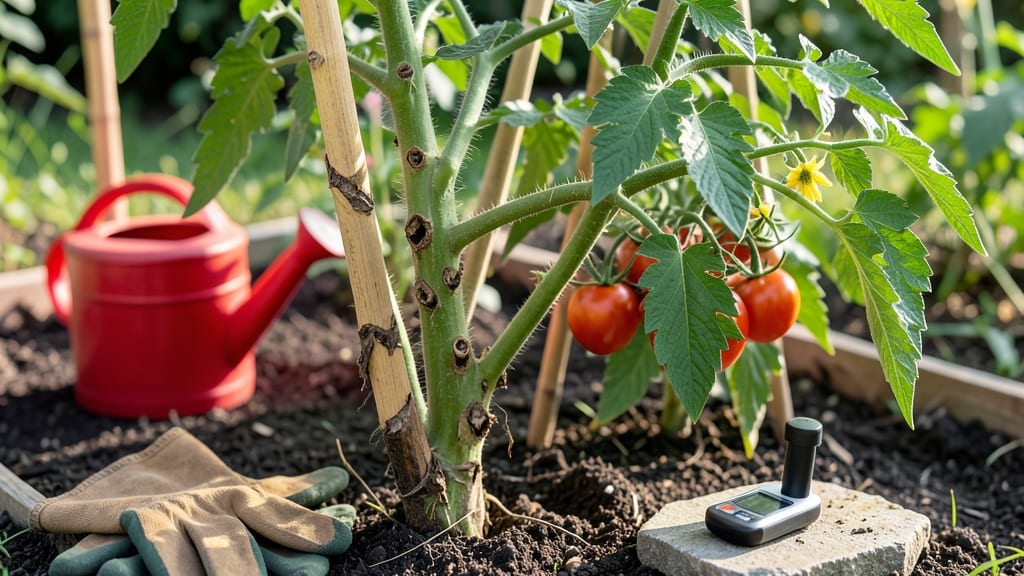
Brown stems on tomato plants mean your harvest is fighting for its life—and the fix starts with pruning. ✂️ I’ve seen vines go from limp to lush in weeks by cutting out the damaged parts early, and the key is knowing which stems to snip (and which to save).
The problem isn’t always blight—sometimes it’s overwatering, sunscald, or even pests hiding in the stems you’re ignoring.
Most gardeners panic when they see brown stems, but the real game-changer is acting fast. Start by inspecting the plant: if the brown is dry and crispy, it’s likely sunscald or overwatering; if it’s soft and mushy, bacterial wilt might be spreading.
Prune below the damage (about ½ inch under brown tissue) with clean shears, and toss infected stems in the trash—not the compost.
What you’ll end up with is a tomato plant that’s stronger, more productive, and less stressed. The pruning triggers new growth from the healthy stems, and the plant focuses energy on fruit instead of repairing damage.
Within 10-14 days, you’ll see fresh green shoots where the brown was—proof the plant is bouncing back.
This fix works for both container and in-ground tomatoes, and it’s especially critical in humid climates where fungal diseases spread fast. The secret? Prune in the morning when stems are dry, and always sterilize your shears between cuts. Your tomatoes will thank you at harvest time.
Root Causes of Stem Discoloration
When your tomato plants start showing brown stems, it’s often a cry for help—whether from environmental stress, pests, or hidden diseases. Understanding the why behind the browning is the first step to saving your crop. Below, we break down the most common culprits, backed by science and actionable insights.
Tomatoes thrive in warmth, but intense heat or direct sun exposure can scorch stems, leaving them brown and crispy. This happens when temperatures soar above 90°F (32°C), especially in dry conditions. The plant’s vascular system struggles to transport water efficiently, leading to oxidative damage in the stem tissues.
How to spot it:
- Brown, dry patches on exposed stems (often upper parts near the sun).
- Wilting leaves even when soil is moist.
- Symptoms worsen in the afternoon heat.
💡 Pro Tip: Use shade cloth (30-50%) during peak sun hours or plant tomatoes where they get morning sun + afternoon shade. Mulching with straw also helps retain moisture and cool roots.
While tomatoes need consistent moisture, soggy soil or waterlogged roots can suffocate the plant, leading to brown, mushy stems. Poor drainage traps excess water, promoting anaerobic conditions that block oxygen flow to the roots. Without oxygen, the plant’s vascular system fails, causing stems to turn brown or black.
How to spot it:
- Stems feel soft or spongy when touched.
- Yellowing leaves even with wet soil.
- Foul smell near the base of the plant.
🔥 Fix It:
- Improve drainage by amending soil with compost or perlite.
- Avoid watering until the top 1-2 inches of soil are dry.
- Ensure pots have drainage holes and raised beds have a slope.
Pests like hornworms, aphids, or spider mites don’t just nibble leaves—they pierce stems, disrupting the plant’s nutrient flow. Hornworms, in particular, can sever stems partially, causing brown, jagged edges. Aphids and mites inject toxins while feeding, leading to browning and stunted growth.
How to spot it:
- Visible holes, chew marks, or frass (insect droppings) on stems.
- Sticky residue (honeydew) from aphids.
- Webbing on stems (sign of spider mites).
👨🍳 Take Action:
- Handpick hornworms (they’re camouflaged—look for green caterpillars with white stripes).
- Spray stems with neem oil or insecticidal soap for aphids/mites.
- Introduce beneficial predators like ladybugs or lacewings.
Pathogens like Fusarium wilt, verticillium wilt, or bacterial stem rot thrive in warm, humid conditions.
These diseases clog the plant’s xylem vessels, preventing water uptake and causing stems to brown, wilt, or collapse. Fusarium often starts at the base, while verticillium causes yellowing leaves with brown streaks in the stem.
How to spot it:
- Brown vascular discoloration when you cut open the stem.
- Wilting that doesn’t recover even at night.
- Yellowing leaves that curl downward.
✨ Prevention & Cure:
- Rotate crops—never plant tomatoes in the same spot two years in a row.
- Use resistant varieties (e.g., ‘Mountain Merit’ for fusarium resistance).
- Sterilize tools with rubbing alcohol to avoid spreading bacteria.
- For bacterial infections, remove and destroy infected plants immediately.
Strong winds or rough handling during pruning can abrade stems, exposing them to pathogens or causing mechanical stress. Once the protective layer is damaged, stems dry out or rot, turning brown. This is common in container-grown tomatoes or plants near walkways.
How to spot it:
- Brown, rough patches on stems (not uniform).
- Stems split or crack after heavy rain/wind.
- No other symptoms (like wilting or leaf drop).
🎯 Quick Fix:
- Prune stems carefully with clean shears, leaving a small bump (not a flat cut).
- Stake or cage plants to prevent wind damage.
- Apply a light coating of horticultural sealant to injured areas (optional).
Now that you know the why, the next step is how to fix it—and the good news? Many of these issues are reversible with the right care. Stay tuned for our pruning guide to strengthen those stems and boost your tomato yield!
Fixing Weakened Tomato Vines
Seeing brown stems on your tomato plants can be disheartening, but the good news is that most issues are fixable with the right approach.
Below, we’ll break down targeted solutions based on the most common causes—from fungal infections to environmental stress—so you can revive your plants and boost those yields. 🌱✨
If brown, mushy, or discolored stems are accompanied by wilting or leaf spots, fungal diseases like early blight, late blight, or vascular wilt (Fusarium/Verticillium) are likely the culprits. These pathogens thrive in moist conditions and can spread quickly if left unchecked.
🔥 Step-by-Step Treatment
- 🍳 Remove Infected Plant Parts
- Prune away all brown, black, or wilting stems and leaves—especially those with dark spots or lesions. Use clean, sharp pruners or shears (disinfect with rubbing alcohol between cuts).
- Dispose of infected debris in the trash not the compost pile to prevent reinfection.
- 👨🍳 Apply Fungicidal Sprays
- Preventative: Spray plants with a copper fungicide (like Bordeaux mixture) or a neem oil solution (2 tbsp neem oil + 1 tsp mild soap per gallon of water) every 7–10 days during wet seasons.
- Curative: For severe cases, use a fungicide labeled for blight or wilt (e.g., chlorothalonil or propiconazole). Follow label instructions carefully.
- 🥘 Improve Air Circulation
- Thin out crowded plants and space them 18–24 inches apart to reduce humidity around stems.
- Avoid overhead watering—use drip irrigation or water at the base early in the day.
- ⏰ Solarize the Soil (Advanced Fix)
- If fungal wilt (Fusarium/Verticillium) is recurrent, solarize the soil in late spring/early summer:
- Cover the affected area with clear plastic for 4–6 weeks (secured tightly).
- The heat will kill pathogens in the top 6 inches of soil.
- If fungal wilt (Fusarium/Verticillium) is recurrent, solarize the soil in late spring/early summer:
💡 Prevention Tips
- 🌡️ Rotate crops: Avoid planting tomatoes (or nightshades like peppers/eggplants) in the same spot for 3–4 years.
- 🎯 Choose resistant varieties: Opt for blight-resistant tomatoes like ‘Mountain Merit’ or ‘Defiant PhR’ if your area is prone to fungal diseases.
- 🔥 Mulch strategically: Use straw or grass clippings (not wood chips) to keep stems dry but allow airflow.
Brown, crispy stems in hot, dry weather are often a sign of sunscald or heat stress. Tomatoes need protection from intense midday sun, especially when young or during heatwaves.
🔥 Step-by-Step Treatment
- 🍳 Provide Shade Cloth
- Install a 30–50% shade cloth over plants during peak sun (10 AM–4 PM) if temperatures exceed 90°F (32°C).
- Alternatively, use lightweight row covers for young plants.
- 👨🍳 Water Deeply and Frequently
- Water early in the morning to allow foliage to dry before evening.
- Aim for 1–1.5 inches of water per week, delivered directly to the soil (not leaves).
- 🥘 Prune for Better Airflow
- Remove lower leaves (up to the first flower cluster) to improve airflow and reduce heat buildup.
- Avoid over-pruning—leave enough foliage to shade the fruit.
- ⏰ Mulch Thickly
- Apply 2–3 inches of mulch (straw or shredded leaves) to retain soil moisture and cool roots.
💡 Prevention Tips
- 🌱 Start plants late in cooler regions to avoid early-season heat stress.
- 🎯 Use reflective mulch (like aluminum foil or white plastic) to deflect excess sunlight.
- 💪 Grow heat-tolerant varieties like ‘Solar Fire’ or ‘Heatmaster’ in hot climates.
Brown, soft stems that feel mushy or rot at the base are classic signs of overwatering or root rot. Tomatoes hate “wet feet” and need well-draining soil.
🔥 Step-by-Step Treatment
- 🍳 Stop Watering Immediately
- Let the soil dry out completely for 2–3 days to allow roots to recover.
- Check moisture by sticking your finger 1 inch into the soil—if it’s damp, wait longer.
- 👨🍳 Improve Drainage
- Amend the soil with compost or perlite to loosen heavy clay.
- If in containers, ensure pots have drainage holes and elevate them slightly off the ground.
- 🥘 Repot (If Necessary)
- If root rot is severe, carefully remove the plant, trim black/mushy roots with sterilized scissors, and repot in fresh, dry soil.
- ⏰ Adjust Watering Habits
- Water only when the top 1–2 inches of soil are dry.
- Use a moisture meter or the “squeeze test” (gently press soil—if it holds shape, it’s too wet).
💡 Prevention Tips
- 🌡️ Water in the morning to allow excess moisture to evaporate.
- 🎯 Avoid saucer pots—empty saucers after watering to prevent soggy roots.
- 🔥 Use raised beds for heavy clay soils to improve drainage naturally.
Brown, chewed, or webbing-covered stems may signal pest infestations. These critters weaken plants by feeding on sap or creating entry points for disease.
🔥 Step-by-Step Treatment
- 🍳 Inspect and Isolate
- Check stems for tiny bugs, webs, or frass (insect droppings). Isolate heavily infested plants if possible.
- 👨🍳 Blast Off Pests
- 🔥 Spray with soapy water (1 tsp mild soap + 1 quart water) to dislodge aphids/mites.
- 🥘 Introduce beneficial insects like ladybugs or lacewings (buy from garden centers).
- ⏰ Use neem oil (repeat every 5–7 days) for stubborn infestations.
- 🔪 Prune Infested Areas
- Cut away heavily damaged stems and dispose of them in sealed bags.
💡 Prevention Tips
- 🌱 Encourage companion plants like basil, marigolds, or nasturtiums to repel pests.
- 🎯 Inspect new plants before adding them to your garden.
- 💪 Remove weeds (pests love them too!).
Brown, brittle stems or “blossom end rot” spreading to stems can indicate potassium (K) or calcium (Ca) deficiencies, often worsened by uneven watering.
🔥 Step-by-Step Treatment
- 🍳 Test Your Soil
- Use a home soil test kit to check pH and nutrient levels. Tomatoes thrive in pH 6.0–6.8.
- 👨🍳 Fertilize Correctly
- **
Frequently asked questions
Why do my tomato plant stems turn brown suddenly?
Sudden browning often signals environmental stress like sunscald (from intense heat) or overwatering (causing root rot). Check for crispy, dry stems (sunscald) or soft, mushy stems (root rot). Pests like hornworms can also chew stems, creating jagged brown edges.
Can I still save my tomato plant if the stems are brown and mushy?
Yes, but act fast! For mushy stems (likely root rot), stop watering immediately and improve drainage. Prune away all brown/mushy sections with sterilized shears, then repot in fresh, dry soil if needed. If it's fungal wilt (brown streaks inside stems), remove the plant entirely to prevent spread.
How do I tell if brown stems are from disease vs. heat stress?
Diseased stems often show vascular discoloration (brown streaks when cut open) or wilting that doesn't recover at night. Heat-stressed stems are crispy, dry, and usually only on sun-exposed areas. Check for leaf spots too—diseases often include them.
Should I prune brown stems, and if so, how?
Always prune brown stems—cut ½ inch below the discolored area using clean shears. For fungal diseases, sterilize tools with rubbing alcohol between cuts. Avoid pruning in wet conditions (spreads spores). Focus on removing all brown tissue, not just surface damage.
Will brown stems affect my tomato harvest?
Yes, if left untreated, brown stems can severely reduce yields by blocking nutrient flow. However, early pruning and treatment often restore plant health. Focus on saving the main stem and lower leaves (they produce most fruit). With proper care, you can still get a good harvest from healthy remaining growth.