Companion Plants
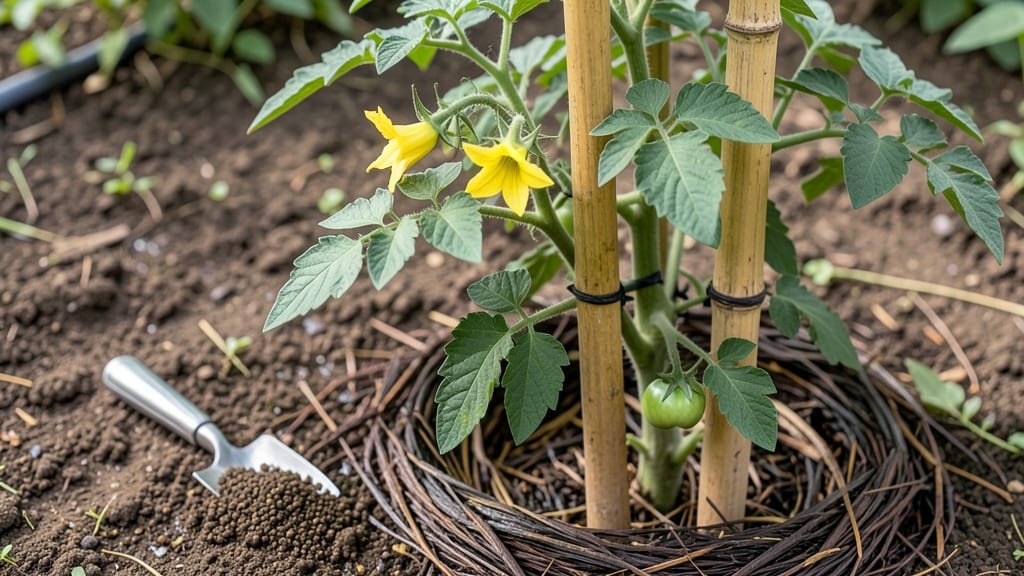
Keeping tomato plants healthy isn’t about luck—it’s about understanding their basic needs and giving them exactly what they crave. 🌱 I’ve lost count of the plants I’ve nursed back from blossom end rot and wilting, and the secret always comes down to consistent care, not fancy tricks.
The right balance of water, sunlight, and nutrients turns a struggling plant into a vibrant, productive powerhouse that feeds you all summer long.
Most gardeners overcomplicate it, but healthy tomatoes start with three simple habits: watering deeply but infrequently, providing rich but balanced soil, and pruning to improve airflow.
I’ve seen firsthand how a single missed watering session or uneven fertilizer can trigger blossom end rot—those dark, sunken spots on fruit that make gardeners want to quit. The good news? These problems are 100% preventable with the right routine.
By the end of summer, you’ll be harvesting juicy, disease-free tomatoes that put store-bought varieties to shame. The plants will stand tall, leaves a deep green, and the fruit will ripen evenly without cracks or blemishes.
No more guessing games—just reliable results that make every afternoon spent in the garden worth it.
This works for determinate and indeterminate varieties, in-ground beds, and containers alike. Whether you’re dealing with your first tomato plant or your fifth, these foundational steps will keep your harvest thriving. Let’s get those plants growing strong from day one.
📚 In This Guide
- What you need
- Instructions
- Tips and common mistakes
- Wrapping up and next steps
What you need
- ● Tomato seeds or seedlings: Choose disease-resistant varieties like 'Celebrity,' 'Better Boy,' or 'Sungold' for optimal health.
- ● Well-draining potting mix or garden soil: Aim for a balanced pH of 6.0–6.8. Mix in compost (20–30%) for nutrients.
- ● Containers or garden space: For containers: 5-gallon pots or larger (at least 12–18 inches deep) with drainage holes.
- ● For in-ground planting: Full sun (6–8 hours/day) and loose, fertile soil.
- ● Fertilizer: A balanced 10-10-10 or 5-10-10 (NPK ratio) or organic options like worm castings or fish emulsion.
- ● Watering can or hose with a gentle nozzle: Avoid splashing leaves to prevent disease.
- ● Mulch (straw, grass clippings, or shredded leaves): Apply 2–3 inches to retain moisture and suppress weeds.
- ● Support system: Cages (5–6 feet tall)
- ● Trellises or stakes (6–8 feet tall)
- ● Tie-down clips or soft twine
- ● Pruning shears or scissors: Sterilize with rubbing alcohol to prevent bacterial spread.
- ○ Calcium supplement (optional but helpful): Calcium nitrate or crushed eggshells to prevent blossom end rot.
- ● Companion plants: Basil, marigolds, or borage to deter pests and improve growth.
- ● Drip irrigation system: For consistent moisture without overwatering.
- ● Soil pH test kit: Ensures your soil is in the ideal range for tomatoes.
- ● Neem oil or insecticidal soap: Natural pest control for aphids or whiteflies.
- ● Row covers or shade cloth: Protects young plants from extreme heat or pests.
Step-by-step guide to cultivating healthy tomato plants
Here's the method I rely on to keep tomato plants thriving—no more wilted leaves or rotting fruit.
💧 Step 1: Maintain Consistent Moisture Without Overwatering
Tomatoes hate dry spells but despise soggy soil even more. Water deeply 1-2 inches per week, ensuring the top 2-3 inches of soil stay consistently moist—never dry or saturated. I use a moisture meter to check before watering; if it reads dry at 2 inches, it's time. Water in the morning so foliage has time to dry, preventing fungal diseases.
Here's the thing—watering at the base, not overhead, prevents blossom end rot by avoiding calcium leaching. If you see wilting leaves, it's usually thirst, but check soil moisture first. Overwatering causes more problems than underwatering, so resist the urge to water daily. Mulch with 2-3 inches of organic material to lock in moisture and keep roots cool.
☀️ Step 2: Provide Balanced Sunlight and Airflow
Tomatoes need 6-8 hours of direct sunlight daily, but too much heat without airflow stresses them. Position plants where they get morning sun and afternoon shade if temperatures exceed 90°F. I always place mine near a fence or trellis to create natural airflow—this prevents humidity buildup that leads to blight.
Watch for leaves curling or yellowing at the edges; this signals either too much sun or poor airflow. If your plants look stressed, move them to a spot with partial afternoon shade. A gentle breeze also strengthens stems, so avoid planting in dead-end corners where air stagnates. Prune lower leaves to improve airflow, but never remove more than 20% of the foliage at once.
🌿 Step 3: Feed with Calcium-Rich Fertilizer and Organic Matter
Blossom end rot starts when calcium uptake fails. Use a balanced fertilizer (10-10-10) every 2-3 weeks and supplement with crushed eggshells or calcium nitrate during flowering. I mix eggshells into the soil at planting and top-dress again when fruit sets. This ensures calcium is available when the plant needs it most.
Don't overdo nitrogen—it promotes leafy growth at the expense of fruit. If your plants look lush but fruitless, cut back on nitrogen and switch to a phosphorus-heavy fertilizer. Organic matter like composted manure or worm castings improves soil structure, helping roots absorb nutrients efficiently. Work 1-2 inches of compost into the soil before planting for long-term benefits.
✂️ Step 4: Prune Strategically to Prevent Disease and Improve Yield
Pruning isn't just about aesthetics—it's about health. Remove suckers (side shoots in leaf axils) regularly to redirect energy to fruit production. I prune suckers larger than 1 inch when they're still small, using clean shears to avoid tearing stems. Never leave stubs; cut flush to the main stem to prevent disease entry points.
Thin fruit clusters to 5-7 tomatoes per truss when they're golf-ball sized. Overcrowded fruit competes for nutrients, leading to poor development and disease. Prune lower branches as the plant grows to improve airflow and reduce soil-borne pathogen risks. If you see yellowing leaves, check for pests or nutrient deficiencies before assuming it's a disease—often, it's simply a sign of stress from overcrowding.
🪴 Step 5: Monitor and Address Issues Early
Inspect plants weekly for signs of stress: curled leaves, spots, or wilting. Early intervention saves plants. For example, if you spot blossom end rot (dark, sunken spots on fruit), increase calcium immediately and check soil moisture. I keep a spray bottle of neem oil handy for fungal issues—it's preventive and organic.
Rotate plants annually to prevent soil depletion and pest buildup. If you notice aphids or whiteflies, blast them off with water first, then treat with insecticidal soap. Healthy plants are resilient, but they need your attention. Keep a garden journal to track what works—note when you fertilized, pruned, and any issues that arose. This helps you adjust next season for even healthier plants.
Tips & tricks for healthy tomato plants
These battle-tested strategies will help you grow thriving tomato plants that produce abundant, disease-resistant fruit all season long.
Soil Moisture Mastery: The 1-2 inch weekly watering guideline assumes average soil conditions. If you're using sandy soil, you may need to water slightly more frequently—sandy soil drains quickly and can't hold moisture like loamy soil. I've found that adding 1-2 inches of compost before planting creates a moisture reservoir that helps maintain those critical 2-3 inches of consistently moist soil without overwatering. For container-grown tomatoes, check soil moisture daily during hot weather since pots dry out much faster than in-ground plantings.
Sunlight Strategy: When positioning your plants for that essential 6-8 hours of sunlight, consider your local climate. In hotter regions where temperatures frequently exceed 90°F, provide afternoon shade using shade cloth or by positioning plants near taller crops. I've had great success with a 30% shade cloth during peak afternoon sun—it prevents heat stress while still allowing plenty of light for photosynthesis. For cooler climates, you can extend sunlight exposure to 8-10 hours if needed, but never exceed 10 hours as this can actually reduce fruit production.
Pruning Precision: When thinning fruit clusters to 5-7 tomatoes per truss, focus on selecting the largest, healthiest-looking fruit first. The remaining fruits will have more space to grow and develop properly. I've noticed that when I thin to exactly 5-7, the resulting tomatoes are consistently larger and more flavorful than when I leave more fruit on the plant. Remember that this thinning should happen when fruits are golf-ball sized—waiting too long can make the thinning process more difficult and stressful for the plant. Use clean, sharp pruners to avoid damaging stems, and always make cuts at a 45-degree angle just above a leaf node to promote faster healing.
Calcium Boost: For the calcium nitrate supplement during flowering, I've found that mixing it with water and applying it as a foliar spray works even better than soil application alone. This ensures calcium reaches the plant's leaves and fruits directly. You can also create your own calcium supplement by soaking eggshells in water for 24 hours, then straining and using the liquid as part of your watering routine. The key is consistency—apply calcium supplements every 7-10 days during the flowering and fruiting stages to maintain adequate calcium levels in the plant tissues, which is crucial for preventing blossom end rot.
Pro Tips for Keep Tomato Plants Healthy
- These battle-tested strategies will help you grow thriving tomato plants that produce abundant, disease-resistant fru...
- Soil Moisture Mastery: The 1-2 inch weekly watering guideline assumes average soil conditions. If you're using sandy ...
- Sunlight Strategy: When positioning your plants for that essential 6-8 hours of sunlight, consider your local climate...
Frequently asked questions
Got questions about keeping your tomato plants thriving? You’re not alone—here are answers to the most common concerns to help you grow lush, productive plants with ease!
How often should I water my tomato plants to prevent blossom end rot?
Water your tomato plants deeply but consistently—aim for about 1–1.5 inches of water per week, including rainfall. Keep the soil moist but not soggy, especially during flowering and fruiting. Drip irrigation or soaker hoses work best to avoid wetting leaves, which can spread disease. Calcium-rich fertilizers also help prevent rot!
When is the best time to prune tomato plants for healthier growth?
Prune indeterminate tomatoes throughout the growing season, removing suckers (side shoots) when they’re smaller than a pencil. For determinate varieties, prune lightly to improve airflow. Avoid heavy pruning late in the season, as it can stress plants before harvest. Focus on removing diseased or crowded foliage first!
Can I save a tomato plant with blossom end rot?
Yes! If you catch it early, adjust your care to prevent further damage:
- Improve soil moisture consistency (use mulch to retain water).
- Add calcium-rich amendments like crushed eggshells or gypsum.
- Prune affected fruits (they won’t recover) but keep the plant healthy for new growth.
What are the best companion plants to keep tomato plants healthy?
Plant these tomato-friendly companions nearby to deter pests and improve growth:
- Basil: Repels thrips and improves flavor.
- Marigolds: Deter nematodes and aphids.
- Onions/Garlic: Confuse pests with their scent.
- Avoid planting with brassicas (cabbage, broccoli)—they compete for nutrients.
Why are my tomato leaves turning yellow, even with proper watering?
Yellow leaves often signal nutrient deficiencies or diseases. Check for:
- Nitrogen deficiency (lower leaves yellow first): Feed with balanced fertilizer or compost.
- Overwatering (leaves wilt/yellow): Let soil dry slightly between waterings.
- Fungal issues (yellow spots): Prune affected leaves and improve airflow.
Wrapping up and next steps
Keeping your tomato plants thriving is all about balance—sunlight, water, soil, and a little extra care go a long way! By avoiding common pitfalls like overwatering or nutrient imbalances, and embracing companion plants and organic fixes, you’ll be rewarded with juicy, rot-free tomatoes all season long. 🌱
Ready to grow like a pro? Start with just one healthy plant, apply these tips, and watch your confidence (and harvest!) grow. Next up: Try these companion plants to supercharge your garden’s success!