Companion Plants
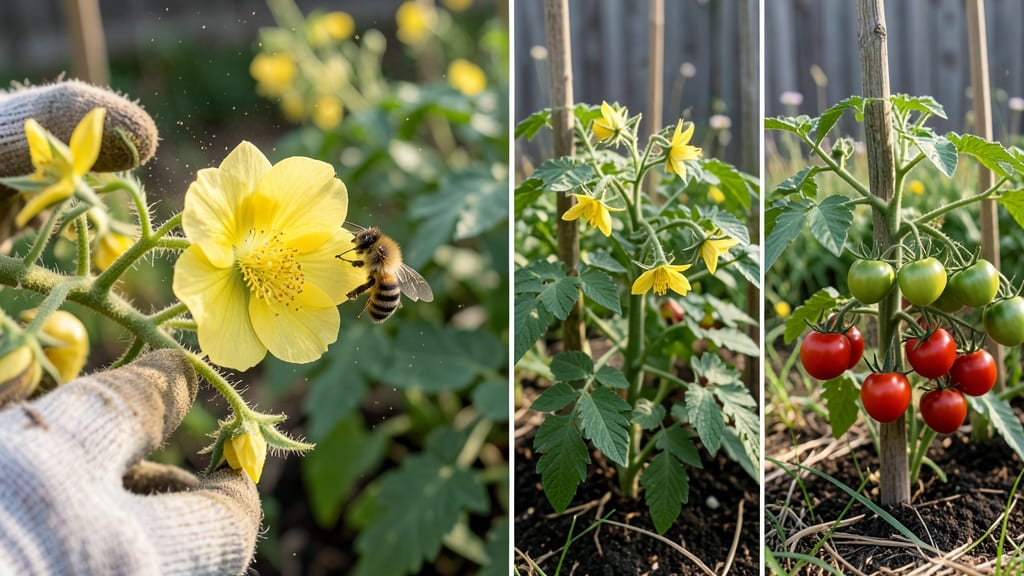
You don’t always need 2 tomato plants to pollinate—self-pollinating (self-fertile) varieties like Roma or Celebrity produce fruit with a single plant, while open-pollinated types (e.g., heirlooms) require cross-pollination via wind, bees, or manual assistance. Check your variety’s label for clarity.
Many gardeners assume they need at least two tomato plants to ensure fruit production, but that's only true for open-pollinated varieties like heirlooms. 🌱 Self-fertile types have flowers with both male and female parts, so they can pollinate themselves.
The key difference lies in their genetic structure—self-pollinating tomatoes have closed flowers that release pollen internally, while open-pollinated varieties rely on external agents like bees or wind to transfer pollen between plants. This distinction explains why some gardeners get frustrated when their single heirloom plant yields fewer tomatoes than expected.
For those growing open-pollinated varieties, you can still boost fruit production with simple techniques. A quick shake of the plant during dry, warm mornings helps dislodge pollen, while hand-pollination with a small paintbrush mimics bee activity. 🐝 Planting pollinator-friendly flowers nearby also attracts beneficial insects that naturally facilitate cross-pollination.
Understanding your tomato variety's pollination needs lets you optimize your garden layout and maximize your harvest, whether you're working with one plant or several.
💡 In This Article
- Self-Pollinating vs. Open-Pollinated Tomato Varieties
- How to Boost Tomato Pollination Naturally
Self-pollinating vs. open-pollinated tomato varieties
At the heart of this distinction lies the tomato flower's reproductive anatomy. Self-pollinating varieties, like the Roma or Celebrity, have flowers that contain both male and female reproductive parts within the same bloom.
When the flower opens, pollen from the anthers (male parts) naturally brushes against the stigma (female part), fertilizing the ovules without needing external help.
This internal process is why these varieties thrive even when grown alone—no cross-pollination required. 🌸 The flowers typically remain closed during the day, protecting the pollen until it's ready to fertilize internally.
Open-pollinated varieties, such as Brandywine or Cherokee Purple, have flowers that open fully, exposing their reproductive parts to the environment. These plants rely on external agents like bees, wind, or gardeners to transfer pollen from one flower to another.
The pollen must travel about 0.0004 inches (10 microns) to reach the stigma for successful fertilization. Without these agents, the flowers may fail to set fruit, even if they appear healthy. This is why heirloom tomatoes often need at least two plants—one to provide pollen and another to receive it.
The genetic difference also affects fruit development. Self-pollinating varieties produce fruit that develops uniformly and consistently, as each flower's fertilization is self-contained. In contrast, open-pollinated varieties can produce fruit with varying shapes and sizes due to the mix of genetic material from different plants.
For example, a Brandywine tomato grown near a different heirloom might develop fruit with traits from both varieties, creating unexpected flavors or textures. 🍅 This genetic mixing is what many gardeners love about heirlooms but can also lead to less predictable yields.
Environmental factors further influence pollination success. Self-pollinating varieties are less affected by weather conditions like rain or humidity, which can wash away pollen or deter pollinators. Open-pollinated varieties, however, thrive in warm, dry conditions with active bee populations.
Humidity above 70% can reduce bee activity, while temperatures below 55°F can slow pollen release. This is why gardeners in cooler climates often need to hand-pollinate heirloom tomatoes to ensure fruit set.
One practical way to identify your tomato's pollination type is to examine the flower structure. Self-pollinating flowers often have a more compact shape with tightly clustered stamens, while open-pollinated flowers have longer, more exposed stamens.
You can also check seed packets or plant labels—most reputable sources will clearly state whether the variety is self-pollinating or open-pollinated. For example, Roma tomatoes are labeled as self-pollinating, while Brandywine is labeled as open-pollinated.
Understanding these differences helps you plan your garden layout. If you're growing self-pollinating varieties, you can space plants farther apart since they don't need cross-pollination. Open-pollinated varieties, however, benefit from closer spacing (about 2-3 feet apart) to ensure pollen transfer.
This knowledge also explains why some gardeners see fewer tomatoes on their single heirloom plant—it might simply need a pollination partner or a little help from you! 🌿