
Companion Plants
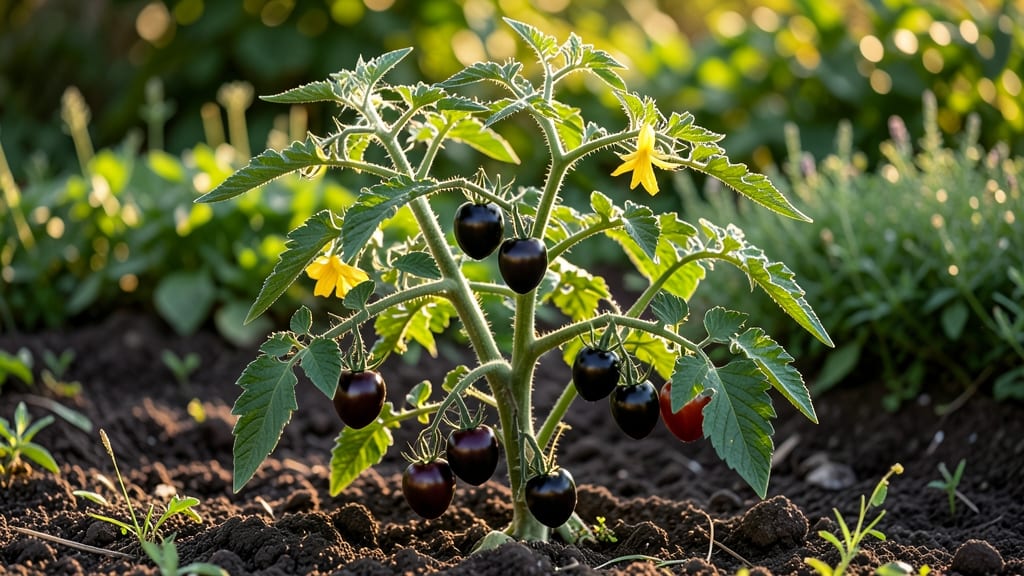
Growing chocolate tomato plants unlocks a flavor so rich it feels like biting into a dessert. 🌱 These heirloom varieties—like Black Krim or Paul Robeson—pack deep, smoky sweetness with just a hint of tang, all in compact vines perfect for containers or small gardens.
The key? Mimicking their native conditions with well-draining soil, consistent moisture, and plenty of afternoon shade to prevent sunscald on those dark skins.
Start with seeds 6-8 weeks before your last frost, or transplant sturdy seedlings after soil warms to 60°F. Chocolate tomatoes thrive in full sun to partial shade, so choose a spot with morning light and afternoon relief.
Amend heavy clay with compost to improve drainage—their roots hate soggy soil—and feed lightly with balanced fertilizer every 4-6 weeks. Prune aggressively to focus energy on fruit rather than foliage, since these varieties are prone to disease in dense canopies.
You’ll harvest glossy, 1-2 inch fruits that ripen from deep purple to near-black, bursting with complex flavors that pair perfectly with balsamic or fresh basil. Cracking is the biggest challenge—keep soil evenly moist and mulch heavily—but the reward is worth it.
These tomatoes store well at room temperature for 2-3 weeks, making them ideal for preserving or sharing with fellow gardeners.
Whether you’re growing in pots on a balcony or tucking them into a raised bed, chocolate tomatoes deliver restaurant-quality flavor with minimal space. The secret? Treat them like the delicate divas they are—cool roots, gentle watering, and protection from pests like hornworms.
Once you taste homegrown, store-bought tomatoes will never compare.
📚 In This Guide
- What you need
- Instructions
- Tips and common mistakes
- Wrapping up and next steps
What you need
- ● Chocolate tomato seeds or seedlings: Choose a variety like ‘Black Krim’, ‘Cherokee Purple’, or ‘Paul Robeson’—these are classic chocolate tomatoes!
- ● Quantity: 2–4 plants (for a small harvest) or 6–8+ (for a bountiful yield).
- ● Containers or garden bed: Containers: 5-gallon pots or larger (at least 12–18 inches deep) with drainage holes. Minimum: 1 container per plant.
- ● Garden bed: Well-draining soil in a sunny spot (6+ hours of sunlight daily).
- ● High-quality potting mix: 1 bag (1–2 cubic feet) of organic potting mix with added compost (for nutrients).
- ○ Optional boost: Mix in 1 cup of worm castings or aged manure per container.
- ● Fertilizer: Balanced organic fertilizer (e.g., 5-5-5 or 10-10-10) or a tomato-specific fertilizer.
- ● Follow package instructions for application rates.
- ● Hand trowel (for planting and transplanting).
- ● Watering can or hose with a gentle spray nozzle (to avoid disturbing soil).
- ○ Garden gloves (optional but helpful for messy soil or thorny plants).
- ● Pruning shears (for trimming suckers and shaping vines).
- ● Stakes or cages (3–4 ft tall) to support vines as they grow.
- ● Mulch (e.g., straw or shredded leaves) to retain moisture and suppress weeds.
- ● Companion plants: Basil, borage, or marigolds to enhance flavor and deter pests.
- ● Drip irrigation system (for consistent watering in containers).
- ● Café or compost tea (to boost soil microbes and plant health).
- ● Grow lights (if starting seeds indoors before the last frost).
Step-by-Step instructions for growing chocolate tomato plants
These rich, dark-fleshed beauties need just a few key adjustments to thrive—here's my foolproof method.
🌱 Step 1: Select the Right Variety and Start Seeds Early
Chocolate tomatoes like 'Chocolate Cherry' or 'Black Cherry' need 85-90 days to mature, so start seeds indoors 10-12 weeks before your last frost date. I use biodegradable seed pots because chocolate tomatoes resent root disturbance—transplanting later can stunt their compact growth.
Sow seeds ¼ inch deep in sterile seed-starting mix (never garden soil—it's too dense). Keep the soil consistently moist at 75-80°F using a seedling heat mat. You'll see germination in 7-14 days—patience pays off with these slow starters.
☀️ Step 2: Provide Strong Light and Prune for Compact Growth
Chocolate tomatoes need 14+ hours of light daily to prevent leggy growth. I use a full-spectrum LED grow light positioned 2-3 inches above seedlings and raise it weekly to maintain that distance. Without enough light, their rich flavor develops poorly.
When seedlings reach 4 inches tall, pinch off the top set of leaves just above the first true leaves. This encourages bushier growth and prevents the 4-foot-tall vines they're prone to. Watch for first flower clusters—if they appear before 5 leaves, snip them off to redirect energy to foliage.
🪴 Step 3: Transplant and Stake for Support
Move seedlings outdoors 2-3 weeks after last frost when night temperatures stay above 55°F. Chocolate tomatoes need 6-8 hours of direct sun daily—a south-facing spot with afternoon shade works best in hot climates. Bury stems ⅔ deep to encourage root development along the buried portion.
Install 6-foot bamboo stakes at transplanting. These tomatoes grow heavy with fruit, and their compact vines need support. Weave the main stem gently around the stake as it grows—don't force it, or you'll snap the tender stems. Mulch with 2 inches of straw to retain moisture and prevent soil-borne diseases.
💧 Step 4: Water Deeply and Fertilize for Rich Flavor
Water at the base 1-2 inches per week, letting soil dry slightly between waterings. Chocolate tomatoes concentrate their rich flavor when slightly stressed—just don't let them wilt. I use drip irrigation to keep foliage dry, which prevents fungal issues common in these dense varieties.
Feed every 2 weeks with a balanced 10-10-10 fertilizer until flowers appear, then switch to low-nitrogen tomato fertilizer (5-10-10) to boost fruit development. You'll notice deeper red-purple hues in the fruit when you're getting it right—this is your sign the flavor is developing properly.
✂️ Step 5: Prune and Harvest for Continuous Production
Remove suckers (side shoots) weekly to maintain the plant's compact shape. Chocolate tomatoes produce best when focused on 3-4 main stems. You'll see suckers in the leaf axils—pinch them off when they're 1-2 inches long to prevent energy drain from fruit development.
Harvest when tomatoes reach full color and slight softness—they won't ripen further off the vine. Pick in the morning when sugars are highest. These tomatoes keep producing until frost if you remove spent flowers and maintain consistent care. Store unripe ones at 55°F to finish ripening indoors.
Tips & tricks for growing chocolate tomato plants
These deep-flavored varieties reward attention to detail—here’s how to maximize their rich potential.
Timing and Temperature: The 75-80°F soil temperature range during germination is non-negotiable. I’ve found that using a seedling heat mat under your biodegradable pots creates that ideal environment without guesswork. If your home stays cooler than 70°F, consider a small greenhouse tent to maintain consistent warmth during those critical first 14 days.
Lighting Strategy: Those 14+ hours of daily light in Step 2 aren’t just about growth—they’re flavor insurance. I’ve noticed plants under insufficient light develop a bitter aftertaste, no matter how well you nurture them. Position your full-spectrum LED grow light so it’s just brushing the tops of your 4-inch seedlings, then raise it weekly. This mimics natural sunlight patterns and prevents leggy stems that struggle to support heavy fruit.
Transplanting Technique: The ⅔ deep burial method in Step 3 works wonders because it triggers root development along the buried stem. Here’s the trick: make a small trench around the seedling’s base before lowering it, then gently pack soil around the sides. This creates better contact with the soil and prevents air pockets that can stunt growth. And yes, those 6-foot bamboo stakes are worth the investment—chocolate tomatoes’ compact vines still grow surprisingly top-heavy!
Flavor Development: The switch from 10-10-10 to 5-10-10 fertilizer at flowering isn’t just about nutrients—it’s about signaling the plant to focus energy on fruit rather than foliage. You’ll know you’ve got it right when the tomatoes develop that signature deep red-purple hue. Pro tip: Add a handful of crushed eggshells to the planting hole at transplant time for extra calcium, which prevents the blossom-end rot these varieties are prone to.
Pro Tips for Chocolate Tomato Plants
- These deep-flavored varieties reward attention to detail—here’s how to maximize their rich potential.
- Timing and Temperature: The 75-80°F soil temperature range during germination is non-negotiable.
- Lighting Strategy: Those 14+ hours of daily light in Step 2 aren’t just about growth—they’re flavor insurance.
Frequently asked questions
Got questions about growing and using chocolate tomato plants? You’re not alone! Here are some of the most common queries—and their answers—to help you grow these unique, flavor-packed tomatoes with confidence.
What makes chocolate tomatoes different from regular tomatoes?
Chocolate tomatoes (like Black Krim or Purple Cherokee) get their name from their deep, rich color—ranging from dark red to almost black. Their flavor is intensely sweet, smoky, and slightly tart, with higher sugar and antioxidant levels than standard red tomatoes. The skin is thicker, and the flesh is often firmer, making them perfect for slicing, sauces, or even eating raw!
How long does it take for chocolate tomato plants to produce fruit?
Chocolate tomato plants typically take 60–85 days from transplanting to harvest, depending on the variety and growing conditions. Start seeds indoors 6–8 weeks before the last frost for a head start. With warm soil and consistent care, you can expect your first ripe tomatoes by mid-to-late summer in most climates.
Can I grow chocolate tomatoes in containers, or do they need a garden bed?
Chocolate tomatoes thrive in containers as long as the pot is at least 5 gallons and has drainage holes. Use a lightweight potting mix and provide a sturdy trellis or cage for support—these plants can get heavy with fruit! Just ensure they get 6–8 hours of sunlight daily and regular watering to prevent blossom-end rot.
What’s the best way to use chocolate tomatoes in recipes?
These tomatoes shine in raw applications (sliced on salads or caprese skewers) due to their complex flavor. For cooked dishes, blanch or roast them to mellow their intensity—perfect for sauces, salsas, or even chocolate tomato jam! Pair them with basil, balsamic glaze, or aged cheeses for a gourmet twist.
Why are my chocolate tomato leaves turning yellow, and how do I fix it?
Yellowing leaves are often a sign of overwatering, nutrient deficiency, or pests. Check the soil—it should be moist but not soggy. If the problem persists, test for nitrogen deficiency (use a balanced fertilizer) or inspect for aphids or spider mites. Prune affected leaves and treat with neem oil if needed. Mulch around the base to retain moisture and improve soil health!
Wrapping up and next steps
Growing chocolate tomato plants is a rewarding journey that combines the joy of gardening with the delicious payoff of deep, rich flavors. Whether you're a seasoned gardener or a beginner, these compact vines offer a fun and flavorful way to elevate your homegrown harvest.
Now that you’re armed with the right knowledge, why not take the next step? Start small—plant a few seeds or seedlings, experiment with companion plants, and enjoy the sweet satisfaction of biting into a homegrown chocolate tomato straight from the vine! 🌱✨