
Planting
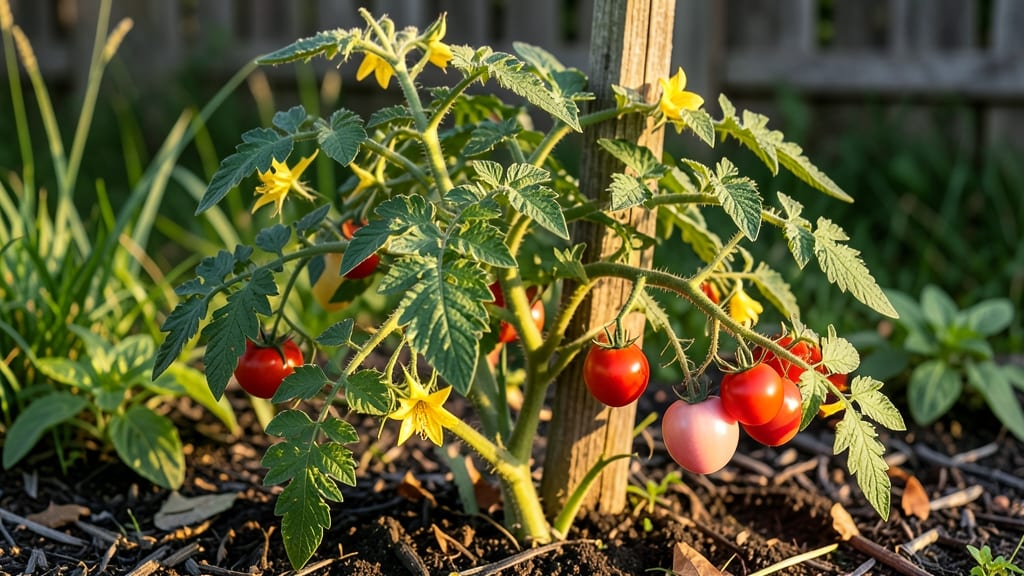
Your garden just got a showstopper—Celebration tomatoes aren’t just productive, they’re a festive centerpiece with deep red fruit that looks like it belongs in a parade. 🌟 I planted mine last summer, and by August, the plants were heavy with 10-pound tomatoes that turned every meal into a celebration.
The vibrant color and size make them perfect for more than just eating—they’re a statement in any garden design.
Pair them with purple basil and red salvia for a patriotic display, or tuck them near white zinnias for a whimsical, cottage-core vibe. The plants themselves are sturdy and upright, so they hold up well in mixed borders or as a focal point in raised beds.
If you love themed gardens, these tomatoes work beautifully in Fourth of July or harvest festival sections—just imagine the photos.
Beyond their looks, they’re companion planting superstars, repelling pests while attracting pollinators. The fruit’s rich, meaty texture makes slicing sandwiches or pasta dishes feel extra special. By late summer, you’ll have enough to share (or can for winter), and the plants keep producing until frost.
It’s the kind of variety that turns gardening into a year-round celebration.
For best results, give them full sun and room to sprawl—they thrive in 5-gallon containers or in-ground beds with sturdy cages. If you’re designing a garden for a theme or occasion, these tomatoes are your secret weapon. Ready to make your garden the talk of the neighborhood?
📚 In This Guide
- What you need
- Instructions
- Tips and common mistakes
- Wrapping up and next steps
What you need
- ● Celebration tomato seeds or seedlings: 1–3 plants (depending on space). Choose heirloom seeds for authenticity or opt for disease-resistant varieties.
- ● Well-draining potting mix or garden soil: 5–10 gallons. Mix in compost (20–30%) for nutrient-rich soil.
- ● Container or garden bed: For containers: 5-gallon pots or larger (tomatoes need space!). Ensure pots have drainage holes.
- ● For garden beds: Full sun (6–8+ hours/day) and loose, fertile soil.
- ● Tomato cages or stakes: 2–3 per plant (6–8 ft tall). Use galvanized metal or sturdy wood to support heavy fruit.
- ● Balanced fertilizer (10-10-10 or 5-5-5): 1–2 cups per plant (follow package instructions). Organic options like fish emulsion or compost tea work too!
- ● Mulch (straw or shredded leaves): 2–3 inches. Keeps soil moist and suppresses weeds.
- ● Watering can or hose with a gentle nozzle: For deep, consistent watering (1–2 inches per week).
- ● Pruning shears: For trimming suckers and shaping the plant.
- ● Epsom salt: 1 tablespoon per plant monthly for magnesium boosts.
- ● Row covers or shade cloth: Protects young plants from pests or harsh sun.
- ● Plant markers: To label your Celebration tomatoes and track growth.
- ● Drip irrigation system: Automates watering for consistent moisture.
Step-by-step guide to growing the Celebration tomato plant
Here's how to coax this 10-pound fruit producer from seed to table—my foolproof method for the boldest red tomatoes you've ever grown.
🌱 Step 1: Start Seeds Indoors at the Right Time
Celebration tomatoes need 85-100 days to reach maturity, so begin seeds 10-12 weeks before your last frost date. I use biodegradable pots (3-4 inches deep) filled with sterile seed-starting mix—never garden soil, which can harbor diseases that will rot delicate seedlings. Moisten the mix until it's damp like a wrung-out sponge, then press it down gently to remove air pockets.
Plant 2-3 seeds per pot at a depth of ¼ inch, just below the soil surface. Cover lightly with additional mix and mist the surface until evenly moist. Here's the thing—I always label my pots with the variety and date because seedlings look identical until they sprout. Place them in a warm spot (75-85°F)—a seedling heat mat speeds germination to 5-7 days, while room temperature may take 10-14 days.
Once sprouts appear, remove the dome or plastic wrap immediately—condensation encourages damping-off, a fungal disease that collapses stems overnight. You'll know moisture is perfect when the soil surface looks slightly damp but not glistening.
☀️ Step 2: Provide Strong Light and Prevent Leggy Growth
The moment those first true leaves appear (the second set after the initial seed leaves), move seedlings to bright, direct light for 14-16 hours daily. A south-facing window rarely provides enough intensity, so I use a full-spectrum LED grow light positioned 2-4 inches above the plants. Raise it as they grow to maintain that gap—leggy seedlings (thin, pale stems with widely spaced leaves) mean your light is too far away.
Rotate pots a quarter turn daily so plants grow straight instead of leaning. Strong Celebration seedlings have thick stems, deep green leaves, and compact spacing between leaves. If you notice yellowing lower leaves, it's a sign of overwatering—let the top inch of soil dry between waterings. Underwatering shows as wilting leaves that don't recover when you water.
🪴 Step 3: Harden Off and Transplant for Maximum Yield
Two weeks before your last frost date, start hardening off seedlings by placing them outside in partial shade for 1-2 hours the first day. Gradually increase outdoor time by 1 hour daily over 10-14 days, slowly introducing more sun and wind. Skip this step, and you'll shock the plants—burned leaves and broken stems are common when they're transplanted too soon.
Choose a sunny spot with well-draining soil (Celebration tomatoes hate soggy roots). Plant 24-36 inches apart in rows 3-4 feet apart—this gives their indeterminate vines room to sprawl. Bury the stem deeper than the pot to encourage stronger root growth. Water deeply at the base after transplanting, and avoid wetting the leaves to prevent fungal diseases like early blight.
Support vines with 6-foot cages or sturdy stakes immediately—Celebration tomatoes can get top-heavy with 10-pound fruits. I always prune suckers (the small shoots in the leaf axils) to direct energy into fruit production rather than foliage. Remove any leaves touching the soil to prevent disease and improve airflow.
💧 Step 4: Feed and Water for Monster Tomatoes
Celebration tomatoes are heavy feeders, so side-dress with balanced fertilizer (10-10-10) when flowers appear, then switch to low-nitrogen, high-phosphorus (5-10-10) when fruits set. Water deeply 1-2 times weekly, aiming for 1-2 inches per week—more frequent shallow watering leads to blossom-end rot (black bottoms on fruits). Mulch with 2-3 inches of straw to retain moisture and suppress weeds.
Here's the trick—I water in the morning so foliage dries quickly, reducing fungal risks. You'll know you're nailing it when the soil stays evenly moist but not soggy, and the plants show dark green, crisp leaves with no yellowing. If you see wilting during the day that recovers at night, it's a sign of underwatering. If leaves curl and droop even at night, you're overwatering.
✂️ Step 5: Prune and Harvest for Peak Flavor
Prune suckers (the shoots between the main stem and branches) weekly to focus energy on fruit production. Remove any yellow or diseased leaves immediately—this prevents the spread of early blight and late blight, which can devastate a harvest. Celebration tomatoes are indeterminate, meaning they produce fruit until frost, so keep pruning until the first cold snap.
Harvest when tomatoes are fully colored and slightly soft to the touch—they won't ripen further off the vine. Use pruning shears to cut stems ¼ inch above the fruit to avoid damaging the plant. You'll know you're ready when you're picking multiple 10-pound tomatoes per plant—these are beefsteak varieties at their finest, perfect for slicing, sauces, or grilling. Store unripe tomatoes at room temperature to finish ripening; once ripe, keep them in the fridge for up to 2 weeks.
Tips & tricks for perfect Celebration tomato growth
Growing these massive tomatoes requires precision—here's how to avoid the pitfalls I've learned from years of trial and error.
Germination Temperature: The 75-85°F range for seedling warmth is non-negotiable, but I've found that placing pots on a seedling heat mat at night (when indoor temps drop) makes all the difference. If your home stays below 70°F, consider using a small greenhouse tent over your pots to maintain that critical warmth. Once sprouts appear, move them to a sunny windowsill immediately—they'll stretch toward any light source if deprived, creating those weak, leggy stems we want to avoid.
Lighting Strategy: That 14-16 hours of daily light is crucial, but don't just set it and forget it. I adjust my LED grow light height every 3-4 days as seedlings grow—keeping it 2-4 inches above the tallest leaves prevents legginess. Pro tip: Place a small mirror at a 45-degree angle near your seedlings to reflect light onto the undersides of leaves, which helps create more robust stems. Watch for leaves touching the light fixture—this causes scorching that looks like brown spots.
Transplanting Technique: Burying stems deeper than the pot might seem counterintuitive, but it triggers the formation of additional roots along the buried stem. This creates a stronger root system that supports those 10-pound fruits. When transplanting, make sure to water thoroughly before moving plants—hydrated roots handle the shock better. I also recommend adding a handful of compost to each planting hole to give your Celebration tomatoes an extra nutrient boost right from the start.
Fertilizer Timing: The switch from 10-10-10 to 5-10-10 when fruits set is critical—too much nitrogen after flowering will produce lots of leaves but few tomatoes. I've found that applying a thin layer of compost around the base of plants every 4-6 weeks provides a slow-release nutrient boost without the risk of burning roots. And here's something nobody tells you: Celebration tomatoes respond beautifully to a foliar spray of diluted fish emulsion (1 tablespoon per gallon of water) applied every 2 weeks during fruiting—it gives that extra flavor punch.
Pro Tips for Celebration Tomato Plant
- Growing these massive tomatoes requires precision—here's how to avoid the pitfalls I've learned from years of trial and error.
- Germination Temperature: The 75-85°F range for seedling warmth is non-negotiable, but I've found that placing pots on a seedling heat mat at night (when indoor temps drop) makes all the difference.
- Lighting Strategy: That 14-16 hours of daily light is crucial, but don't just set it and forget it.
Frequently asked questions
Got questions about growing the Celebration tomato plant? You’re not alone!
Here are answers to the most common queries—from planting to harvest—so you can grow like a pro.
When is the best time to plant Celebration tomatoes?
The Celebration tomato thrives in warm soil, so wait until after the last frost when nighttime temps stay above 50°F (10°C). Start seeds indoors 6–8 weeks before transplanting or buy seedlings from a nursery. If you’re in a short-season zone, opt for early planting or use row covers to extend the season. Pro tip: These plants love heat, so don’t rush—wait for the perfect moment!
How long does it take for Celebration tomatoes to produce fruit?
From seed to harvest, expect 75–85 days for the Celebration variety. If you’re transplanting seedlings, fruit typically appears in 60–70 days. Patience is key—these beauties need time to establish roots and set those 10-pound monsters! Fun fact: Early blooms may drop off; don’t panic—just keep nurturing the plant.
Why aren’t my Celebration tomatoes ripening?
Blame cool temps, poor pollination, or overcrowding. Celebration tomatoes need full sun (6+ hours/day) and consistent warmth. Hand-pollinate flowers with a small brush if bees are scarce, and prune suckers to improve airflow. If nights dip below 55°F (13°C), use row covers or move potted plants indoors temporarily. Quick fix: A little shade cloth can protect them from late-season heat stress too!
Can I grow Celebration tomatoes in containers?
These vining giants need 5-gallon+ containers with drainage holes and a sturdy trellis (they can grow 6–8 feet tall). Use a lightweight potting mix and fertilize every 2–3 weeks with tomato-specific feed. Just ensure the pot gets full sun and stays hydrated—container plants dry out faster! Pro tip: Elevate pots for better drainage and add mulch to retain moisture.
What’s the best way to store Celebration tomatoes?
These juicy giants are best eaten fresh, but if you must store them, leave them at room temp (not the fridge!) until fully ripe. Once ripe, refrigerate for up to 1 week (though flavor may suffer). For long-term storage, try freezing peeled, chopped tomatoes or canning them whole. Bonus: Celebration tomatoes are great for sauces, salsas, or slicing—so grow extra!
Do Celebration tomatoes need special care for pollination?
Not usually! Their large, showy flowers attract bees naturally. However, in cool, cloudy weather or if you’re growing indoors, hand-pollinate by gently shaking the plant or brushing flowers with a paintbrush. Focus on morning pollination for best results. Watch for: Dropped blooms often signal stress—check for pests or inconsistent watering.
Wrapping up and next steps
Growing a Celebration tomato plant is a rewarding journey that brings vibrant red fruits and bountiful harvests to your garden! With the right care—sunlight, soil, and patience—you’ll enjoy tomatoes weighing up to 10 pounds each.
Whether you’re a seasoned gardener or just starting, this variety proves that big rewards come from small, consistent efforts.
Now that you’re armed with tips and answers, it’s time to roll up your sleeves and plant! Start with a healthy seedling, nurture it with love, and soon you’ll be celebrating your own homegrown tomato feast. Happy gardening! 🌱🍅