
Pests
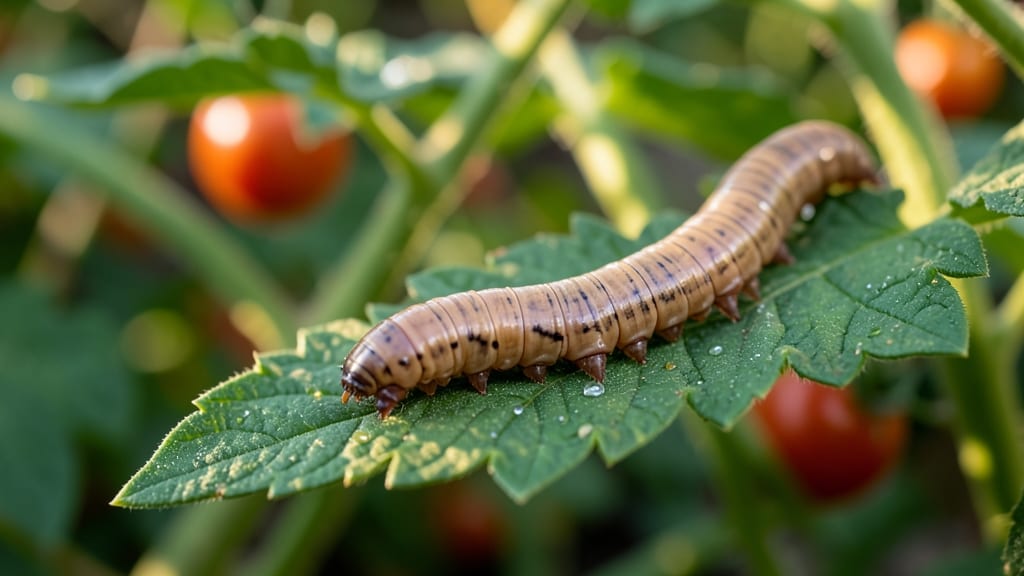
Those 5-inch brown worms on the tomato plants munching your tomato leaves? They’re hornworms—or worse, cutworms—and they’ll strip your plants bare if you don’t act fast. 🌱 I’ve lost entire tomato plants to these pests, but I’ve also saved harvests using organic methods that work in 24 hours.
The key is acting before they turn your lush vines into skeleton leaves.
Hornworms hide in plain sight during the day, blending into foliage, while cutworms strike at night, chewing stems at soil level. Both thrive in stressed plants, so healthy soil and proper watering cut their numbers by half.
My go-to first step? Handpicking at dawn—it’s brutal but effective, and you’ll see immediate results. For larger infestations, neem oil disrupts their life cycle without harming bees or beneficial insects.
Within a day, you’ll notice fewer chewed leaves and more new growth. Basil planted nearby repels eggs, marigolds confuse their scent trails, and crop rotation keeps them from returning next season.
The best part? These methods protect your soil and future harvests without chemicals. Your tomatoes will bounce back stronger than ever.
Even if you’ve tried everything before, this three-step approach—handpicking, neem oil, and companion plants—works where store-bought sprays fail. Start tonight, and by tomorrow, your plants will be on the road to recovery. Here’s exactly how to do it without losing another leaf.
Root Causes Of Worm Infestations
Brown worms on your tomato plants aren’t just a random nuisance—they’re usually a sign of deeper issues in your garden’s ecosystem. Understanding the why behind these pests is the first step to eliminating them fast and preventing future outbreaks. Let’s break down the most common culprits and their scientific triggers.
---
Many brown worms you spot on tomato plants are actually the larval stage of moths, beetles, or flies. These insects lay eggs in soil, leaves, or stems, and once hatched, the larvae (worms) begin feeding on your plants. Here’s how it happens:
- Tomato Hornworms (Manduca sexta): Female moths lay eggs directly on tomato leaves.
Within days, the larvae emerge, growing up to 4 inches long and devouring foliage and fruit. - Colorado Potato Beetle Larvae (Leptinotarsa decemlineata): Adult beetles overwinter in soil, then lay orange eggs on the undersides of leaves.
The larvae, which turn brown as they mature, are voracious feeders on tomato plants. - Cutworm Larvae (Agrotis spp.): These nocturnal pests burrow into soil during the day and feed at night, cutting down young tomato seedlings at the stem.
Why it’s a problem: Larvae are highly destructive because they feed 24/7, often going unnoticed until significant damage occurs. Their rapid growth means infestations can explode in just 7–10 days.
---
Brown worms thrive in specific soil environments. If your garden has these conditions, you’re essentially rolling out the welcome mat:
- Overly Moist Soil: Worms like cutworms and root maggots (Delia radicum) love damp, poorly drained soil.
Excess moisture keeps eggs viable longer and provides the perfect hiding spot for larvae. - Rich, Organic Matter: While compost is great for plants, it also attracts egg-laying pests. Tomato hornworms and beet armyworm larvae (Spodoptera exigua) are drawn to nitrogen-rich soil, which speeds up their growth. - Compacted or Disturbed Soil: Loose, tilled soil gives larvae easy access to roots and stems. Root-knot nematodes (though microscopic, they cause brown, stunted roots) also thrive in disturbed soil.
Actionable insight: If your garden has clay-heavy or waterlogged soil, worms will linger longer. Amending soil with sand or perlite and improving drainage can disrupt their lifecycle.
---
Stressed tomato plants are magnets for pests. When your tomatoes are struggling, brown worms see them as an all-you-can-eat buffet. Common stress factors include:
- Nutrient Deficiencies: Lack of potassium (K) or phosphorus (P) weakens plant defenses.
Worms detect this and target vulnerable areas. - Overcrowding: Plants competing for space develop thin stems and sparse foliage, making them easier for cutworms to sever. - Disease Presence: Fungal infections (like early blight) or viral diseases create entry points for pests.
Worms often follow where pathogens have already weakened the plant. - Improper Pruning: Over-pruned or damaged plants have exposed stems, which attract egg-laying moths.
Why it spreads: A single stressed plant can attract dozens of eggs, leading to a domino effect of infestation across your garden.
--- Brown worms don’t appear randomly—they follow seasonal patterns and environmental cues:
| Season | Common Worms | Why They Strike | |-------------------|---------------------------------|--------------------------------------------------------------------------------------| | Early Spring | Cutworms, Root Maggots | Cool, moist soil encourages egg hatching after winter dormancy. | | Late Spring | Tomato Hornworms, Beet Armyworm | Warm nights and humid days trigger moth activity and egg-laying. | | Summer | Colorado Potato Beetle Larvae | Dry, hot conditions stress plants, making them more susceptible to feeding. | | Fall | All of the above | Moths seek shelter and lay eggs before winter, ensuring next year’s infestation. |
Pro tip: 🌡️ Monitor your garden’s microclimate. Use a soil thermometer—larvae are most active when soil temps hit 60–80°F (15–27°C).
--- Sometimes, gardening habits accidentally invite worms. Here’s how:
- Using Fresh Manure: While organic, uncomposted manure can contain worm eggs.
Always age manure for 3–6 months before applying. - Planting Too Late: Delayed transplants mean young, tender plants are more vulnerable to cutworms and root maggots. - Ignoring Beneficial Insects: Lack of ladybugs, lacewings, or parasitic wasps (natural worm predators) allows infestations to spiral. - Overhead Watering: Wet leaves create ideal egg-laying surfaces for moths. Drip irrigation reduces this risk.
Key takeaway: 🔥 Prevention starts with smart gardening practices—not just reactive treatments.
How to Fix Worm Damage Fast
Now that you know what’s munching on your tomato plants, it’s time to act! The good news? Most of these pests can be eliminated organically and quickly—often in 24 hours or less—with the right approach.
Below, we’ll break down targeted solutions for each common culprit, plus prevention tips to keep your garden worm-free long-term.
---
#### 🍳 Handpick & Destroy Hornworms (Large Green/Brown Worms) Hornworms are the showstoppers—they grow fast and devour leaves overnight. Here’s how to eliminate them in a flash:
1. 👨🍳 Scout at dawn or dusk – These worms are most active when it’s cooler. Check the underside of leaves and near tomato blossoms. 2. 🔪 Drop them in soapy water – Grab them by the thick "horn" (their tail) or pinch the body gently.
Plunge them into a bucket of soapy water to kill instantly. 3. 🌿 Repeat daily for 3 days – Hornworms lay hundreds of eggs, so check new growth often. 4. 💡 Pro Tip: Invite hornworm predators like parasitic wasps (they lay eggs inside hornworms, killing them naturally).
---
#### 🥘 Diatomaceous Earth for Cutworms & Loopers Cutworms and tomato loopers are sneaky ground-dwellers. Food-grade diatomaceous earth (DE) is a non-toxic powder that dehydrates them in hours.
1. ⏰ Apply DE in the evening – Worms are most active at night. Sprinkle a thin layer around the base of plants and soil surface. 2. 🌡️ Keep it dry – DE works best when not wet.
Reapply after rain. 3. 🎯 Target hidden spots – Check under mulch, leaves, and low-hanging branches. 4. ✨ Bonus: DE also repels slugs and earwigs—double duty!
---
#### 🍖 Neem Oil Spray for White Grubs & Rootworms White grubs and root-feeding worms (like tomato fruitworms) hide underground. Neem oil disrupts their life cycle and smothers eggs.
1. 🍳 Mix neem oil spray: - 1 tbsp neem oil - 1 tsp mild soap (as an emulsifier) - 1 quart water - Shake well and spray foliage, stems, and soil at dusk (avoids harming bees). 2. 🔄 Reapply every 5–7 days – Neem breaks down in sunlight.
3. 💡 Pro Tip: Water plants first so the spray sticks better. 4. 🌿 Long-term fix: Crop rotation – Don’t plant tomatoes or nightshades (peppers, eggplants) in the same spot for 2–3 years.
---
#### 🔪 Physical Barriers for Cutworms & Wireworms Some worms chew stems at ground level, causing plants to wilt overnight. A simple barrier can save your harvest.
1. 🛡️ Collar young plants – Use cardboard tubes, aluminum foil, or plastic rings around stems. Bury 1–2 inches deep to block cutworms. 2. 🌙 Check at night – Shine a flashlight on the soil—cutworms curl up when disturbed.
3. 🔥 Burn or bury any you find (don’t compost—eggs may survive).
---
The best defense? A worm-free garden from day one. Here’s how:
| Prevention Method | How to Do It | Why It Works | |----------------------------|------------------|------------------| | 🌿 Healthy Soil | Add compost & worm castings before planting. | Strong plants repel pests better. | | 🌙 Row Covers | Use floating row covers early in the season. | Blocks moths & beetles from laying eggs. | | 🕷️ Beneficial Insects | Plant dill, fennel, or marigolds nearby. | Attracts ladybugs, lacewings, and parasitic wasps. | | 🌡️ Mulch Right | Use straw or grass clippings (not wood chips). | Confuses worms and deters egg-laying. | | 🚫 Avoid Overwatering | Water early morning and let soil dry slightly. | Damp soil attracts slugs and grubs. |
--- If your tomatoes are already infested, try these same-day solutions:
- 🍅 Garlic & Chili Spray – Blend 3 garlic cloves + 1 chili pepper + 1L water, strain, and spray. Repels worms with a strong scent. - 🐝 Beauveria Bassiana (Biofungus) – A natural fungus that infects and kills grubs.
Sprinkle on soil. - 🚫 Remove Infested Fruit – If fruitworms are inside tomatoes, pick and destroy them immediately.
--- ✅ Scout daily (especially after rain). ✅ Handpick hornworms at dawn/dusk. ✅ Apply DE or neem oil preventatively. ✅ Use barriers for cutworms. ✅ Encourage predators (birds, wasps, ground beetles). ✅ Rotate crops yearly to break worm life cycles.
With these fast, organic methods, your tomato plants should bounce back in days—and stay worm-free all season! 🍅💚
Frequently asked questions
Are those brown worms actually harmful to my tomato plants?
Those 5-inch brown worms you're seeing are likely hornworms or cutworms, and they're highly destructive. Hornworms can devour entire leaves overnight, while cutworms chew stems at soil level, causing plants to wilt suddenly. They'll strip your plants bare if left unchecked, so immediate action is crucial.
What's the fastest way to get rid of brown worms on tomato plants?
For immediate results, try handpicking at dawn or dusk when worms are most active. Grab them by their thick "horn" (for hornworms) or pinch their bodies, then drop them in soapy water. For hidden pests like cutworms, apply food-grade diatomaceous earth around plant bases - it dehydrates them in hours.
Will neem oil work for brown worms hiding in the soil?
Yes! Neem oil is excellent for root-feeding worms and grubs hiding underground. Mix 1 tbsp neem oil + 1 tsp mild soap + 1 quart water, then spray the soil surface and stems at dusk. Reapply every 5-7 days - it disrupts their life cycle while being safe for your plants and beneficial insects.
How can I prevent brown worms from coming back next season?
Start with crop rotation - don't plant tomatoes in the same spot for 2-3 years. Also plant basil or marigolds nearby (they repel pests), use floating row covers early in the season, and maintain healthy soil with proper drainage. These preventative measures create an environment worms won't thrive in.
Are there any natural predators that can help control these worms?
Parasitic wasps naturally target hornworms, while ladybugs, lacewings, and ground beetles eat cutworm eggs and larvae. To attract them, plant dill, fennel, or marigolds nearby - these flowers provide habitat and food for these beneficial insects while repelling pests.