
Companion Plants
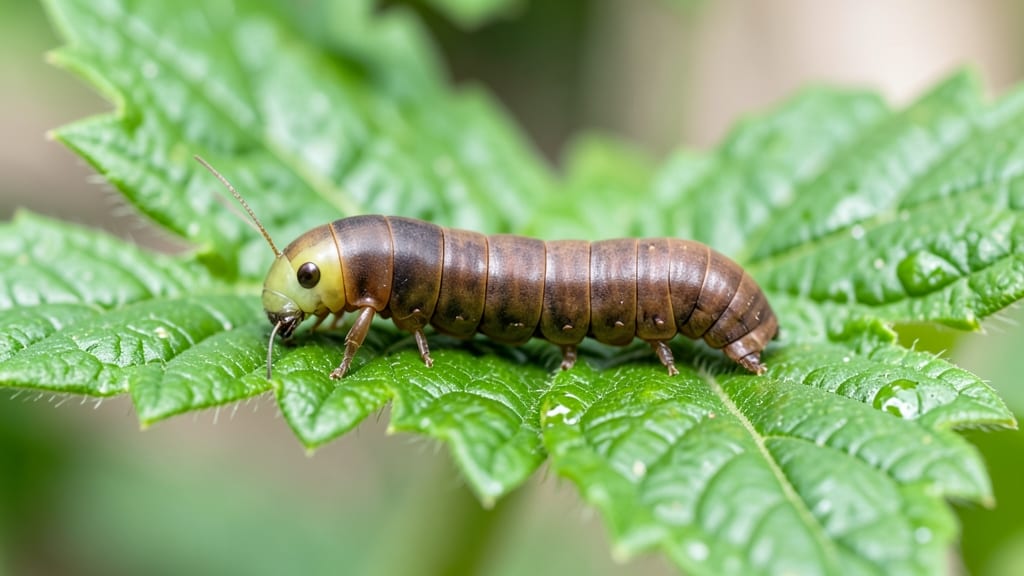
That brown caterpillar on your tomato plant might be a hornworm—one of the most dramatic garden mysteries. 🌱 I've spent years watching these striped invaders chew through my prized tomatoes, only to later realize they're nature's pest control.
The key is telling friend from foe before you reach for the spray.
Hornworms are usually green with white stripes, but brown ones are a different story—often tomato fruitworms or armyworms that devour leaves and fruit. Look for frass (tiny black droppings) and skeletonized leaves as clues. The damage tells the tale faster than the caterpillar itself.
You'll solve this in three ways: handpick during evening hours (they're less active), use row covers before eggs hatch, or apply neem oil for organic control. The secret weapon? Companion plants like basil and marigolds that naturally repel these pests.
When in doubt, consult your local extension office—they can confirm the species and suggest region-specific solutions. This mystery has a happy ending, I promise.
Root Causes Of Caterpillars
Spotting a brown caterpillar munching on your tomato plants can feel like a gardening nightmare—but understanding why they’re there is the first step to reclaiming your harvest.
These fuzzy or hairy intruders don’t just appear out of nowhere; they’re drawn to your garden by a mix of environmental cues, plant chemistry, and even human gardening habits. Let’s break down the science behind their presence and how they decide your tomatoes are their next buffet.
Tomato plants aren’t just food—they’re a chemical cocktail that signals to caterpillars, “Dine here!” Here’s how:
- Volatile Organic Compounds (VOCs): When tomato leaves are damaged (even slightly), they release volatile organic compounds that act like a dinner bell for caterpillars. These chemicals travel through the air, luring moths to lay eggs nearby. Pro tip: Healthy plants emit fewer distress signals, so rotating crops and avoiding over-fertilizing can reduce this effect.
- Leaf Texture & Nutrient Profile: Young, tender tomato leaves are packed with nitrogen and water content, making them irresistible to caterpillars like the hornworm or tomato fruitworm. Mature leaves with thicker skins deter some species, but brown caterpillars often target new growth where defenses are weakest.
- Scent Trails: Some moths (like the tomato looper) use pheromones and plant scents to locate host plants. If your neighbors’ gardens are also tomato-heavy, their VOCs can amplify the attraction like a caterpillar magnet.
Caterpillars don’t sprout from thin air—they’re the larval stage of moths or butterflies, and their appearance is highly predictable based on seasonal cues:
| Species | Peak Season | Why They Show Up Now |
|---|---|---|
| Manduca sexta (Tomato Hornworm) | Late spring to early fall | Adult moths emerge when nighttime temps stay above 60°F (15°C). Eggs hatch in 3–5 days, and caterpillars explode in population if unchecked. |
| Helicoverpa zea (Corn Earworm) | Summer to early autumn | Lays eggs on lower leaves at dusk. Warm, humid nights trigger faster hatching—ideal in southern U.S. climates. |
| Spodoptera frugiperda (Fall Armyworm) | Late summer to frost | Adults migrate northward on wind currents. They prefer weedy, overgrown areas where they can hide during the day. |
💡 Key Insight: If you’re seeing brown caterpillars consistently in late summer, it’s likely fall armyworms or fruitworms taking advantage of your plant’s late-season growth.
Your tomato plants aren’t just a food source—they’re a safe haven for caterpillars if the environment checks these boxes:
- Lack of Natural Predators: Birds, lacewings, and parasitic wasps love eating caterpillar eggs and larvae. But if your garden lacks:
- Diverse plantings (e.g., dill, fennel, or marigolds for predator habitats)
- Water sources (like shallow dishes for insects)
- Undisturbed leaf litter (where predators hide)
- Overwatered or Stressed Plants: Caterpillars target plants that are weakened by:
- Too much nitrogen (soft, sappy leaves = easy meals)
- Fungal diseases (like early blight, which attracts fruitworms)
- Compacted soil (roots can’t absorb nutrients, making plants less resilient)
🌡️ Pro Tip: Water at the base of plants (not overhead) to avoid creating humid conditions that caterpillars love.
- Monoculture Plantings: Growing rows of only tomatoes turns your garden into a caterpillar buffet. Moths can locate large blocks of host plants from miles away using scent trails. ✨ Solution: Interplant with basils, onions, or thyme to disrupt their navigation.
Now that you know why brown caterpillars crash your tomato party, the next step is telling friend from foe—because not all caterpillars are villains! Some are natural pest controllers in disguise.
Quick Fixes for Tomato Plant Invaders
Got a fuzzy brown caterpillar munching your tomato leaves? Don’t panic—these easy, nature-friendly fixes will save your harvest without harsh chemicals. Below, we’ve matched the most common causes to practical solutions, plus pro tips to keep your plants thriving. Let’s tackle this step by step!
Cause: Brown caterpillars (like tomato hornworms or loopers) are often beneficial predators—but they can still overdo it! Fix:
- 🔍 Scout at dawn/dusk when caterpillars are sluggish. Check under leaves and stems.
- 👨🍳 Drop them in soapy water (mix 1 tsp dish soap per gallon of water) to avoid harming other critters.
- 🌱 Relocate to a wildflower patch if you’re unsure—some species help control pests!
Prevention:
- 🌿 Plant basil or marigolds near tomatoes to mask their scent (caterpillars hate it!).
- 🕯️ Use yellow sticky traps to catch adult moths before they lay eggs.
Cause: Dense foliage traps moisture, inviting pests + diseases (like fungal issues that attract caterpillars). Fix:
- ✂️ Prune crowded stems to let sunlight and air circulate.
- 💧 Water at the base (not overhead) to keep leaves dry.
- 🌱 Space plants 18–24 inches apart for better airflow.
Prevention:
- 🌱 Rotate crops yearly to starve pests of their favorite hosts.
- 🌿 Add companion plants like nasturtiums to distract pests.
Cause: If caterpillars are devouring fruit or leaves, you’ll need a stronger (but still safe) intervention. Fix:
- 🍳 Spray neem oil (1 tbsp + 1 tsp mild soap per quart of water)—disrupts their life cycle.
- 🔥 BT (Bacillus thuringiensis)**—a bacteria that kills caterpillars but harms no other creatures.
- 🌿 Garlic/chili spray (blend 2 garlic cloves + 1 tbsp cayenne + 1L water; strain and spray)—repels with a spicy kick!
Prevention:
- 🕰️ Apply sprays in the evening to avoid harming bees.
- 🌱 Encourage ladybugs & lacewings—they eat caterpillar eggs!
Cause: If caterpillars keep returning, your garden might be a buffet for them. Fix:
- 🌿 Plant trap crops like dill or parsley—they lure pests away from tomatoes.
- 🌱 Use row covers early in the season to block moths from laying eggs.
- 🌱 Interplant with strong scents (rosemary, thyme, or sage)—caterpillars avoid them!
Pro Tip: > 💡 Healthy soil = happy plants! Add compost to boost tomato resilience—stronger plants fend off pests better.
Remember: Most brown caterpillars are harmless (or helpful!)—only act if they’re causing visible damage. With these tricks, your tomato plants will stay lush, and your harvest will be pest-free and plentiful! 🍅✨
Frequently asked questions
Are all brown caterpillars harmful to tomato plants?
Not necessarily! Some brown caterpillars, like the tomato fruitworm, are destructive, while others—such as certain parasitic wasp larvae—actually help control pests. The key is checking for damage: if leaves are skeletonized or fruit is chewed, it’s likely a problem. Look for frass (black droppings) and chewed edges to confirm.
What’s the fastest way to remove brown caterpillars without chemicals?
Handpicking is the quickest method! Wait until early morning or evening when caterpillars are sluggish, then drop them in soapy water. For stubborn infestations, wrap tomato plants in lightweight row covers to block adult moths from laying eggs. Pro tip: Wear gloves—some caterpillars (like tomato hornworms) have mild irritants.
Can neem oil harm beneficial insects like bees?
Neem oil is generally safe for bees if applied after sunset when they’re less active. Avoid spraying flowers directly, and opt for organic neem-based sprays labeled bee-friendly. For extra protection, focus applications on leaf undersides where caterpillars hide, and rinse plants 24 hours before bees visit.
Why do I keep seeing brown caterpillars even after treatment?
Caterpillars have a short life cycle—eggs can hatch in 3–5 days, so repeated treatments are often needed. Check for new eggs (tiny white dots) on leaf undersides and reapply BT (Bacillus thuringiensis) or neem oil every 5–7 days during peak season. Also, ensure you’re treating the roots of the issue (e.g., removing nearby weeds that attract moths).
Are there any companion plants that repel brown caterpillars?
Plant basil, marigolds, or nasturtiums near tomatoes—their strong scents mask the plant’s aroma, confusing caterpillars. Other allies include dill, fennel, and onions, which disrupt moth navigation. For extra defense, interplant with garlic or thyme; their sulfur compounds deter pests naturally.