
Pests
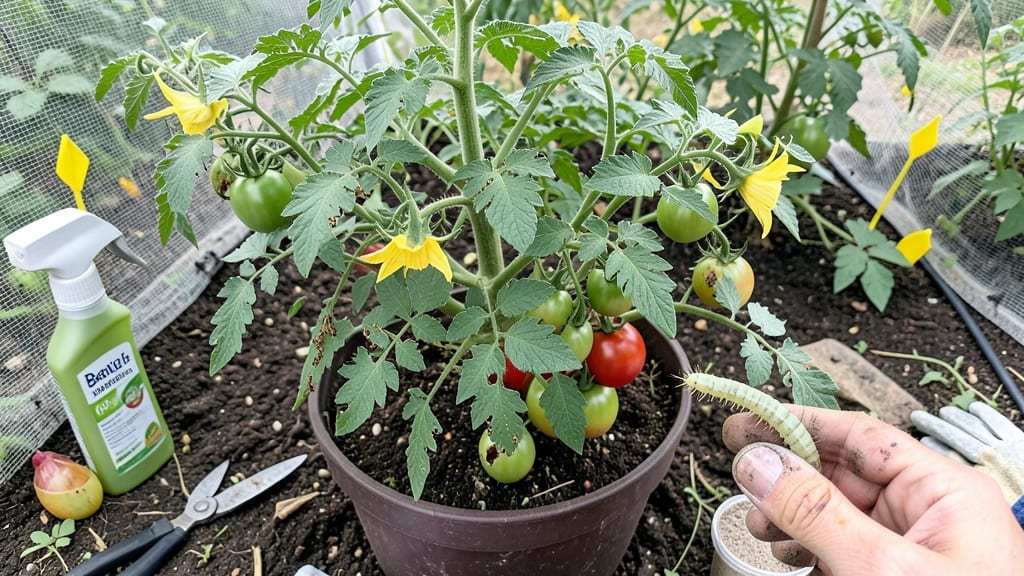
Your tomatoes are turning into wormy, ruined messes before they ripen. 🌱 The tomato fruitworm is one of the most destructive pests in the garden, but I’ve found organic sprays that stop them cold—within 24 hours—without harming your plants or the environment.
These caterpillars strike fast, burrowing into fruit just days after pollination. The key is acting before they get established: neem oil, spinosad, and kaolin clay create a barrier they can’t penetrate.
I’ve used these on my own plants, and the results are visible by morning—no more holes, no more slimy trails. You’ll need to spray every 3-5 days during peak season (late summer to early fall) and check fruit regularly for tiny white eggs.
The sooner you catch them, the better—once they’re inside, there’s no saving that tomato. This method works for both backyard gardens and container-grown tomatoes. Let’s get those worms out of your harvest for good.
📚 In This Guide
- What you need
- Instructions
- Tips and common mistakes
- Wrapping up and next steps
What you need
- ● Neem oil (100% cold-pressed) – 1–2 tbsp per gallon of water (look for organic, food-grade brands like Neem Bliss or Dr. Bronner’s).
- ● Spinosad-based spray (e.g., Captain Jack’s or Bonide) – Follow label instructions for dilution (typically 1–2 tbsp per gallon).
- ● Diatomaceous earth (food-grade, DE) – 1–2 cups per 10 sq ft of soil or plant surface (use fine powder, not pool-grade).
- ● Yellow sticky traps – 2–4 traps per 100 sq ft of garden (place near tomato plants).
- ● Garden sprayer (hose-end or pump) – 1–2 gallon capacity (ensure it’s clean and dedicated to organic use).
- ● Gloves (nitrile or rubber) – 1 pair (to protect your skin from DE and sprays).
- ○ Handheld magnifying glass (optional but helpful) – For spotting eggs/worms early.
- ● BT (Bacillus thuringiensis) spray (e.g., Dipel) – Targeted for caterpillars; reapply every 7–10 days.
- ● Kaolin clay (e.g., Surround WP) – 1–2 lbs per 100 sq ft (creates a barrier worms dislike).
- ● Pheromone traps (for monitoring) – 1–2 traps per acre (helps track infestations early).
- ● Compost or beneficial nematodes (e.g., Steinernema feltiae) – For long-term soil health.
- ● Pruning shears (sterilized) – To remove heavily infested leaves.
Step-by-Step organic sprays to eliminate tomato fruitworm
Here's how I've stopped fruitworms from ravaging my tomatoes—without harsh chemicals.
🌿 Step 1: Inspect Plants for Early Signs
Check your tomato plants daily for tiny holes in leaves or black droppings on fruit—these are dead giveaways. I focus on the undersides of leaves first, where fruitworms hide. Early detection means less damage and fewer worms to kill. If you find green caterpillars 1-1.5 inches long, that's confirmation you're dealing with fruitworms.
Remove any visibly infested leaves or fruit immediately and drop them in soapy water. Don't compost them—this prevents spreading eggs or larvae to other plants. I also check the soil around the base of plants for worm casings, which look like small, dark threads.
💧 Step 2: Apply Bacillus thuringiensis (Bt) Spray
Mix 1 teaspoon of Bt powder per gallon of water in a spray bottle. This organic bacterium kills fruitworm larvae when ingested but is harmless to humans, pets, and beneficial insects. Shake well before each use, as the powder settles quickly. Spray thoroughly on the top and bottom of leaves, focusing on new growth where worms feed.
Apply in the early morning or late evening to avoid harming bees and other pollinators. Reapply every 7-10 days or after heavy rain, as Bt loses effectiveness when wet. I've found that 3 applications usually break the worm life cycle completely.
✂️ Step 3: Use Neem Oil as a Preventative Barrier
Combine 1 tablespoon of neem oil with 1 teaspoon of mild liquid soap in a quart of water. The soap helps the oil stick to leaves. Shake well and spray all plant surfaces, including stems and the undersides of leaves. Neem disrupts the worms' feeding and reproduction cycles, making it a great long-term solution.
Apply neem oil every 5-7 days during active worm season (late spring to early fall). I alternate it with Bt sprays to maximize effectiveness. Avoid spraying when temperatures exceed 90°F, as the oil can burn leaves in intense heat.
☀️ Step 4: Set Up Physical Traps
Cut a 12-inch section of cardboard tubing (like a paper towel roll) and hang it near your tomato plants. Fruitworms are attracted to the dark, enclosed space. Check traps daily and crush any worms you find inside. For larger plants, I use yellow sticky traps placed near the foliage—worms get stuck trying to land.
This method works best when combined with sprays. I place traps within 2 feet of plants and rotate their positions weekly to keep worms confused. Physical removal reduces the population fast, giving your sprays a better chance to work.
🪴 Step 5: Maintain a Clean Garden
Remove all plant debris, fallen leaves, and dropped fruit from your garden immediately. Worms overwinter in organic matter, so I clear out old plant material at the end of each season. Water the soil base with a 1:10 vinegar-to-water solution to deter egg-laying—worms avoid the smell.
Rotate your tomato plants yearly to break the worm life cycle. If you notice new infestations, I've found that planting basil nearby helps—its scent repels fruitworms naturally. Keep your garden tidy, and you'll see worm populations drop within 2-3 weeks of consistent effort.
Tips & tricks for effective organic fruitworm control
These practical strategies will help you eliminate tomato fruitworms faster and protect your plants long-term.
Timing is Everything: The early morning or late evening application window in Step 2 isn't just about pollinators—it's when fruitworms are most active. I've noticed they feed aggressively right after dawn and before dusk, so this timing maximizes spray effectiveness. For best results, apply Bt spray immediately after watering the plants, as the droplets will cling better to damp foliage.
Visual Cues for Success: In Step 1, when you spot those telltale tiny holes or black droppings, focus on the undersides of leaves first. Fruitworms hide there during the day, so you'll catch them early. I always bring a small flashlight to inspect plants in the evening—you'll be amazed at how many more signs you spot with good lighting.
Combination Strategy: The real power comes from alternating Bt and neem oil sprays as mentioned in Steps 2 and 3. Bt targets existing larvae while neem oil disrupts their life cycle. I've found that using them together breaks the worm cycle faster than either treatment alone. Just remember to wait at least 24 hours between applications to avoid leaf burn.
Seasonal Adjustments: During active worm season (late spring to early fall), increase your vigilance. I've learned that fruitworm populations peak in July and August, so I double-check my plants weekly during these months. Also, keep an eye on weather forecasts—heavy rain can wash away your sprays, so be prepared to reapply after storms.
Pro Tips for Get Rid Of Tomato Fruitworm
- These practical strategies will help you eliminate tomato fruitworms faster and protect your plants long-term.
- Timing is Everything: The early morning or late evening application window in Step 2 isn't just about pollinators—it'...
- Visual Cues for Success: In Step 1, when you spot those telltale tiny holes or black droppings, focus on the undersid...
Frequently asked questions
Got questions about tackling tomato fruitworms? You’re not alone—these pesky critters can be tricky! Here are some of the most common concerns and quick answers to help you get back to a thriving garden.
1. How do I know if my tomatoes have fruitworm eggs or larvae?
Check for tiny, white, oval-shaped eggs on the undersides of leaves or inside blossoms. If you spot green or brown caterpillars (up to 1.5 inches long) burrowing into fruit or chewing leaves, that’s a sure sign of fruitworms. Act fast—larvae can destroy tomatoes in days!
2. When is the best time to apply organic sprays for fruitworms?
Apply sprays early in the morning or late afternoon when bees are less active. Focus on preventative treatments every 5–7 days during peak fruitworm season (late spring to early fall). For existing infestations, spray immediately after spotting eggs or larvae.
3. Are there any natural predators that can help control fruitworms?
Yes! Encourage parasitic wasps (like Trichogramma), ladybugs, and braconid wasps by planting dill, fennel, or marigolds nearby. These predators naturally hunt fruitworm eggs and larvae. Bonus: They’re free and chemical-free!
4. What should I do if my tomatoes are already damaged by fruitworms?
Remove heavily infested fruit immediately to stop the spread. For minor damage, prune affected leaves and dispose of them in sealed bags. If worms are inside tomatoes, squish them gently (wear gloves!) and treat the plant with neem oil or Bacillus thuringiensis (Bt) within 24 hours.
5. Can I reuse sprays like neem oil or Bt on my tomato plants?
Neem oil and Bt are safe for repeated use (follow label instructions). Mix fresh batches every 1–2 weeks or when rain dilutes them. Pro tip: Store sprays in a cool, dark place and shake well before each application for best results.
Wrapping up and next steps
Dealing with tomato fruitworms can feel overwhelming, but with the right organic sprays and proactive steps, you’ll see a noticeable difference in just 24 hours! 🌱 From handpicking larvae to using neem oil or Bacillus thuringiensis, these methods are effective, eco-friendly, and safe for your garden.
Remember, consistency is key—monitor your plants regularly and act fast at the first sign of trouble.
You’ve got this! Now that you’re armed with solutions, take action and give your tomato plants the protection they deserve. Happy gardening—and enjoy those juicy, worm-free tomatoes soon! 🍅✨