
Companion Plants
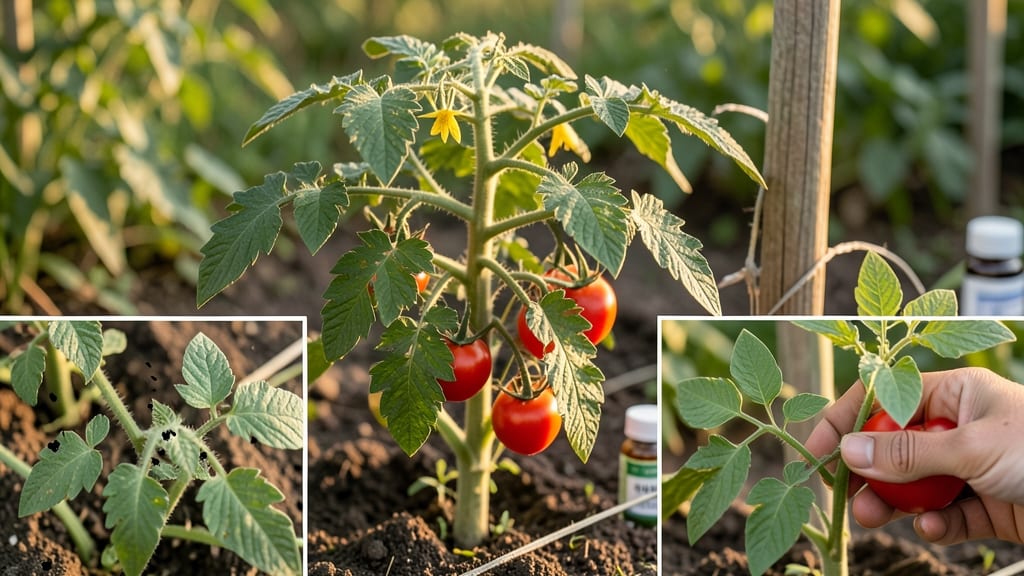
Black specks on tomato plants turn your harvest dreams into a frustrating mystery. 🌱 I’ve battled this exact problem—those tiny black dots can spread fast, but I’ve learned the organic fixes that stop them within days.
The key is acting before the spots multiply, and I’ll walk you through the quickest solutions for your garden.
Most specks signal early blight or spider mites, but environmental stress (like overwatering or poor airflow) can trigger them too. The moment you spot them, prune infected leaves immediately and boost airflow between plants. I’ve saved entire tomato cages this way—no chemicals needed, just sharp scissors and a little patience.
You’ll see results within 3-5 days if you spray plants with a mix of baking soda, water, and a drop of dish soap. For stubborn cases, neem oil or copper fungicide works like magic. The goal? Keep your tomatoes thriving without sacrificing flavor or health.
This works for both container and in-ground tomatoes, and the same fixes apply to peppers and eggplants too. No more guessing—just actionable steps to get your plants back on track. Let’s get those specks gone for good!
Root Causes of Plant Blemishes
Understanding why black specks appear on your tomato plants is the first step to restoring their health—and your harvest! These tiny dark spots rarely appear by accident. Instead, they’re usually a sign of environmental stress, microbial activity, or even improper care.
Let’s break down the most common culprits with science-backed explanations so you can tackle the issue head-on.
Fungi are the most frequent offenders behind black specks on tomato leaves and fruit. These microscopic organisms thrive in warm, humid conditions and can spread rapidly if left unchecked.
- Early Blight (Alternaria solani) 🌡️ This fungus targets older leaves first, creating concentric rings of black or brown spots with yellow halos. It thrives in temperatures between 68–86°F (20–30°C) and loves damp foliage. The spores overwinter in plant debris, so poor garden hygiene is a major contributor.
- Late Blight (Phytophthora infestans) ⚠️ A more aggressive cousin, late blight produces greasy-looking black spots that spread quickly, especially in wet weather. It can destroy plants in days and even infect fruit.
Unlike early blight, it attacks all plant parts—leaves, stems, and tomatoes—and is particularly devastating in cool, humid climates (50–77°F / 10–25°C).
- Black Mold (Alternaria alternata) 🕷️ Often confused with early blight, black mold creates velvety black specks on leaves and fruit. It’s common in greenhouses or shaded areas where airflow is poor.
Unlike its relatives, it doesn’t always produce distinct rings but instead blankets surfaces in a fine, sooty layer.
Why it happens: Fungal spores lurk in soil, water, or old plant material. When conditions are right—high humidity, poor airflow, or overhead watering—they germinate, penetrate plant tissues, and feast on nutrients. Tomatoes, being heavy feeders, are especially vulnerable.
If the black specks are raised, water-soaked, and ooze when pressed, bacteria are likely the culprit. Xanthomonas perforans and Pseudomonas syringae are the top offenders, causing bacterial spot, a disease that thrives in warm, wet conditions.
- Symptoms to watch for:
- Tiny, dark brown to black spots with watery centers.
- Spots often have a yellow halo and can merge into large, dead patches.
- Fruit scarring (black specks on tomatoes) reduces marketability and invites rot.
Why it happens: Bacteria spread via splashing water, tools, or even your hands. They enter through injuries (like hail or insect bites) and multiply rapidly in temperatures above 77°F (25°C). Unlike fungi, bacteria can’t survive long in dry conditions, so prolonged leaf wetness is their best friend.
Not all black specks are caused by pathogens. Sometimes, your tomatoes are reacting to physical or chemical stressors that weaken their defenses.
- Hail or Insect Damage ⚡ Small blackened bruises from hail, bird pecks, or insect feeding (like flea beetles) can look like disease. These spots are usually irregular in shape and don’t spread.
- Chemical Burn 🧪 Overuse of copper-based fungicides, herbicides, or even tap water high in chlorine can cause necrotic (dead) black spots. Tomatoes are sensitive to salt buildup from fertilizers or poor-quality soil amendments.
- Drought or Overwatering 💧 Sudden wilting or crusty soil can lead to blackened leaf edges as cells die from stress. Overwatering, meanwhile, causes root suffocation, leading to blackened stems and stunted growth.
Why it happens: Tomatoes are sensitive to extremes. Too much sun without water? Sun scald creates blackened patches. Too much water? Root rot sets in, and fungi or bacteria move in for the kill. Even nutrient deficiencies (like magnesium or calcium) can cause interveinal chlorosis (yellowing between veins) followed by blackened tissue.
Some pests don’t just feed—they leave behind black specks as a calling card.
- Flea Beetles 🐞 These tiny black beetles chew tiny holes in leaves, creating shotgun-like patterns. Their feeding weakens plants, making them more susceptible to disease.
- Aphids or Spider Mites 🕷️ While they don’t cause black spots directly, their honeydew secretions attract sooty mold—a black, fuzzy fungus that grows on sticky residue. This weakens photosynthesis and stunts growth.
- Blossom End Rot 🍅❌ Not a speck per se, but blackened blotches at the tomato’s blossom end are caused by calcium deficiency, often linked to uneven watering or poor soil structure. It’s a classic sign of environmental mismanagement.
Why it happens: Pests thrive in crowded, neglected gardens. Their damage compromises the plant’s protective cuticle, making it easier for pathogens to invade. Plus, their waste products create the perfect breeding ground for secondary infections.
Pro Tip: 💡 Before reaching for chemicals, identify the specks’ pattern, location, and seasonality. Is it on leaves or fruit? Does it spread fast or stay put?
Your answers will tell you whether you’re dealing with a fungus, bacteria, pest, or environmental issue—and that’s your first clue to the right fix!
How to solve it
Those pesky black specks on your tomato plants don’t have to be a gardener’s worst nightmare. With the right approach, you can restore your plants to their vibrant, healthy selves—and even prevent future outbreaks. Below are targeted solutions based on the most common causes, from fungal infections to environmental stressors.
Each fix is designed to be practical, organic, and easy to implement, so you can get back to enjoying your garden (and those juicy tomatoes!) in no time.
If your tomato plants are covered in black specks—especially with yellowing leaves or dark spots on the undersides—fungal diseases like bacterial spot or early blight are likely the culprits. Here’s how to tackle them:
🔥 Remove and Replace Infected Foliage
- Step 1: Snip off any leaves or stems with black spots using clean, sharp pruners. Do not compost them! Toss them in the trash to prevent spreading spores.
- Step 2: Sterilize your pruners with rubbing alcohol (70% or higher) between cuts to avoid cross-contamination.
- Pro Tip: 💡 Focus on removing leaves near the bottom of the plant first, as these are often the most affected.
🍳 Homemade Fungicide Sprays
Skip the harsh chemicals and try these organic sprays:
- Baking Soda Solution: Mix 1 teaspoon of baking soda, 1 tablespoon of vegetable oil, and a few drops of dish soap in 1 quart of water. Spray on leaves early in the morning to avoid burning foliage. Reapply every 7–10 days.
- Neem Oil Spray: Combine 1 tablespoon of neem oil, 1 teaspoon of mild soap (like Castile soap), and 1 quart of water. Shake well and spray thoroughly, focusing on the undersides of leaves. Use every 1–2 weeks.
- Copper Fungicide: A natural option like copper soap or copper hydroxide can help prevent fungal spores from taking hold. Follow package instructions for dilution.
🌡️ Adjust Watering Practices
Fungal spores thrive in damp conditions. To dry out your plants and discourage fungal growth:
- Water deeply but infrequently—aim for the soil, not the leaves. Use a soaker hose or drip irrigation to keep foliage dry.
- Water in the early morning so leaves have time to dry before evening humidity sets in.
- Improve airflow around plants by pruning crowded branches or spacing them out.
✨ Prevent Future Outbreaks
- Crop Rotation: 🌱 Plant tomatoes in a different spot next season to break the fungal cycle.
- Resistant Varieties: Choose tomato varieties bred for disease resistance, like ‘Celebrity’ or ‘Mountain Merit.’
- Mulch Wisely: Use straw or grass clippings to keep soil moist but avoid wetting the stems.
If the black specks are actually tiny webs, sticky residue, or clustered insects, you’re likely dealing with pests like spider mites or aphids. Here’s how to evict them:
👨🍳 Blast Them Off with Water
- Step 1: Take your garden hose and give the plants a strong but gentle spray from below, dislodging pests and eggs.
- Step 2: Repeat every 3–4 days until the infestation clears.
- Pro Tip: 🔥 Use a soft spray nozzle to avoid damaging tender leaves.
🍳 Soap Spray for Stubborn Pests
Mix 1 tablespoon of mild liquid soap (like Castile soap) with 1 quart of water. Spray directly on the pests, focusing on the undersides of leaves. Reapply every 5–7 days until pests are gone.
🌿 Introduce Beneficial Insects
- Ladybugs: 🐞 Release them in the evening when they’re less likely to fly away. They feast on aphids and mites.
- Predatory Mites: Use Phytoseiulus persimilis to combat spider mites naturally.
🎯 Long-Term Prevention
- Reflective Mulch: 🌡️ Cover the soil with aluminum foil or reflective mulch to deter spider mites, which dislike bright light.
- Companion Planting: 🌱 Grow basil, marigolds, or nasturtiums near tomatoes to repel pests naturally.
- Regular Inspections: 🔍 Check plants weekly for early signs of pests, especially on the undersides of leaves.
If the black specks appear as small, sunken dots—especially on fruits—your tomatoes might be suffering from sunscald or heat stress. Here’s how to cool things down:
🌿 Provide Shade Cloth
- Step 1: Drape 30–50% shade cloth over the plants during peak sun hours (10 AM–4 PM).
- Step 2: Secure it loosely to allow airflow and prevent overheating.
💧 Increase Watering (But Smartly)
- Water deeply during heatwaves to help the soil retain moisture and keep roots cool.
- Pro Tip: 💡 Use mulch (straw or wood chips) to lock in moisture and regulate soil temperature.
🍅 Adjust Pruning for Better Airflow
- Prune suckers and lower leaves to improve airflow and reduce heat buildup around the fruit.
- Avoid Over-Pruning: 🌱 Leave enough foliage to provide shade for developing tomatoes.
✨ Choose Heat-Tolerant Varieties
- Next season, opt for heat-resistant tomato varieties like ‘Solar Fire,’ ‘Heatmaster,’ or ‘Arkansas Traveler.’
If your plants are heavily infected (more than 50% of leaves affected) or the fruit is rotting, it may be time to act decisively:
- Remove the Entire Plant: Dig up and dispose of the plant (not compost) to prevent spread.
- Sterilize the Soil: Solarize the bed by covering it with clear plastic for 4–6 weeks in hot weather to kill fungal spores.
- Replace with a New Plant: If you’re early in the season, start over with a healthy transplant from a reputable nursery.
Frequently asked questions
Are black specks on tomato plants always a sign of disease?
Not necessarily! While fungal diseases like early blight or bacterial spot are common causes, black specks can also come from insect damage (like flea beetles), environmental stress (such as hail or chemical burns), or even sooty mold from honeydew-producing pests like aphids. Always check for patterns—fungal spots often have concentric rings, while insect damage looks more random.
How quickly can black specks spread if I don’t treat them?
Fungal diseases like early blight can spread rapidly—sometimes within 3-5 days—especially in warm, humid conditions. Bacterial spot spreads even faster, potentially destroying leaves in 24-48 hours if conditions are ideal. The key is acting fast by removing infected leaves and improving airflow immediately.
Can I still eat tomatoes with black specks?
It depends! If the specks are from fungal diseases like early blight, the fruit may still be safe to eat (just cut off affected areas). However, bacterial spot can contaminate the fruit, making it unsafe. When in doubt, inspect the tomato carefully—if the specks are superficial and the flesh is firm, it’s likely fine to eat. Always wash thoroughly.
Will neem oil work on black specks caused by pests?
Neem oil is excellent for fungal diseases but works differently on pests. For spider mites or aphids (which cause sooty mold), neem oil disrupts their life cycle and repels them. Use it as a preventive spray every 7-10 days during active pest seasons. For immediate results, combine it with a strong water blast to physically remove pests first.
Why do my tomato plants keep getting black specks every year?
This usually means fungal spores are overwintering in your soil or old plant debris. To break the cycle, practice crop rotation (don’t plant tomatoes in the same spot next year), remove all plant debris from your garden, and consider solarizing your soil with clear plastic for 4-6 weeks in hot weather to kill lingering spores.