
Plants
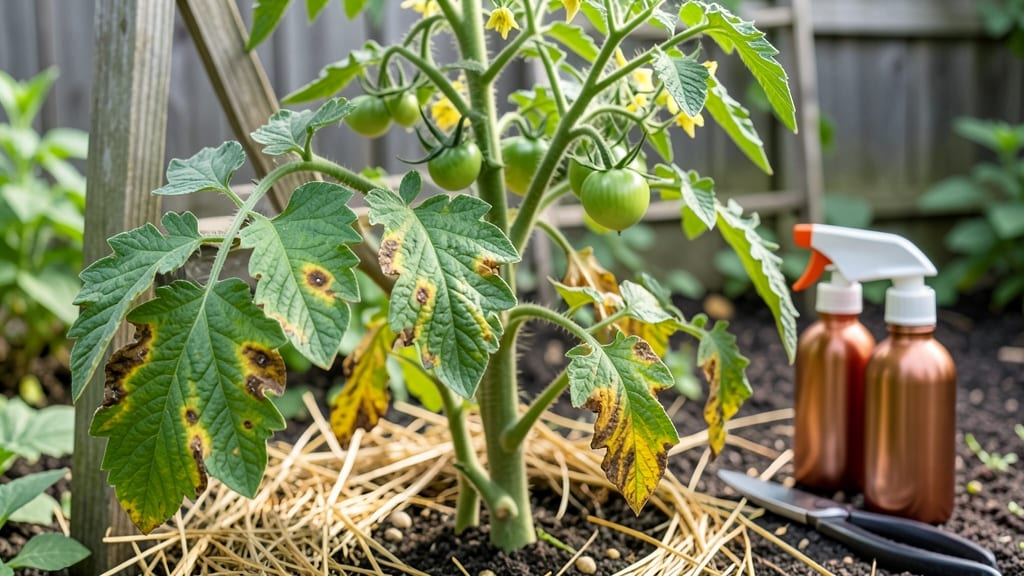
Your tomato plants are covered in ugly brown spots, and the leaves are curling up like they’re giving up. 🌱 Early blight doesn’t just ruin looks—it steals your harvest if you don’t act fast.
Copper fungicide spray is the foolproof way to stop it in its tracks, but timing and technique matter more than the product itself.
The moment you see those concentric rings on lower leaves, grab your spray bottle and hit the garden. I’ve saved multiple seasons of tomatoes with this method, even when the disease looked hopeless.
The key is consistent coverage—underneath the leaves too—and applying it before rain washes it away. You’ll see new growth pushing out within 7-10 days if you catch it early.
What you’ll end up with is plants that look healthy again, not just surviving but thriving. The copper spray works because it creates a protective shield while starving the fungus of what it needs to spread.
Plus, it’s safe for your family and pollinators once it dries—no harsh chemicals lingering on your fruit.
This method works for both organic and conventional gardens, whether you’re growing in the ground or containers. The only real rule? Don’t wait until the spots reach the top leaves—that’s when the battle’s already lost. Let’s get those tomatoes back in fighting shape.
Root Causes Of Leaf Spots
Early blight in tomato plants isn’t just a random bad-luck scenario—it’s the result of a perfect storm of fungal activity, environmental conditions, and plant stress. Understanding these triggers helps you prevent outbreaks before they start. Here’s why your tomato leaves develop those telltale brown spots:
The primary villain behind early blight is the fungus Alternaria solani, which thrives in warm, humid conditions. Here’s how it takes hold:
- Spores in the soil: The fungus overwinters in infected plant debris (like old tomato stems or leaves) or in the soil. When new tomato plants emerge, spores splash onto lower leaves via water droplets (rain, overhead irrigation, or dew).
- Rapid spread: Spores germinate within 4–6 hours in ideal conditions (75–85°F and high humidity). They create conidia (asexual spores) that hitchhike on wind, tools, or even your shoes to infect new plants.
- Weak entry points: The fungus exploits stomata (tiny leaf pores) or wounds (e.g., from pruning or hail) to invade plant tissues.
Pro tip: 💡 Alternaria solani can survive in soil for years, so crop rotation (avoiding tomatoes in the same spot for 3+ years) is non-negotiable.
Early blight doesn’t strike randomly—it waits for the right weather. These conditions create its ideal environment:
| Factor | Why It Matters | Actionable Fix |
|---|---|---|
| 🌡️ Warm Days (75–90°F) | The fungus grows aggressively in heat, producing more spores. | Use shade cloth (30–50%) during peak afternoon sun. |
| 💧 High Humidity/Nighttime Dew | Moisture keeps spores active for days, increasing infection risk. | Improve airflow with proper spacing (18–24" between plants). |
| 🌧️ Overhead Watering | Splashes spores onto leaves, accelerating spread. | Switch to drip irrigation or water at the base. |
| 🌤️ Sudden Temperature Swings | Stresses plants, weakening defenses against fungal attack. | Use mulch (straw or grass clippings) to stabilize soil temps. |
A healthy tomato plant can fight off early blight, but stress opens the door for infection. Common triggers include:
- 💦 Overwatering or underwatering: Soggy soil invites fungal growth, while drought weakens roots, making plants vulnerable.
- ⚖️ Nutrient deficiencies: Low potassium or phosphorus stresses plants, reducing resistance. Test soil and amend with compost or a balanced fertilizer (10-10-10).
- 🌿 Poor airflow: Crowded plants trap moisture, creating a fungal paradise. Aim for 18–24 inches between plants.
- 🍅 Over-fertilizing with nitrogen: Lush, soft growth is delicious for spores. Balance N-P-K (e.g., 5-10-10 for fruiting stages).
Pro tip: ✨ Hardened plants (grown from seed, not transplants) often resist early blight better because they develop stronger root systems.
Now that you know why early blight strikes, the next step is stopping it in its tracks—starting with copper fungicide sprays and smart garden habits.
How to Treat & Prevent Fungal Spots
Early blight may sound scary, but with the right steps, you can stop the spread, save your tomatoes, and even prevent future outbreaks. The key is acting fast—once those telltale brown spots appear, your plants need immediate care.
Below, we’ll break down practical fixes based on the root causes (overwatering, poor airflow, fungal spores) and share easy prevention tips to keep your garden healthy.
If you’ve already spotted early blight, don’t panic—these steps can turn things around:
🍳 Remove & Destroy Infected Foliage
- Why? Fungal spores thrive on diseased leaves, spreading faster than you think.
- How?
- Snip off yellowing or spotted leaves (use clean pruners or scissors).
- Do NOT compost them—toss in the trash or burn to prevent reinfection.
- Focus on lower leaves first (they’re most vulnerable).
👨🍳 Apply Copper Fungicide (The Game-Changer)
Copper is nature’s fungicide—it disrupts fungal cell walls without harming your plants (when used correctly).
- When? Apply at first sign of spots and repeat every 7–10 days until new growth appears.
- How?
- Mix 1 tsp copper sulfate per gallon of water (or use a pre-mixed spray like Bordeaux mixture).
- Spray evenly on both sides of leaves (especially undersides where spores hide).
- Best time: Early morning or late evening (avoid direct sun—it can burn leaves).
- ✨ Pro Tip: Add a dish soap drop (½ tsp per gallon) to help the spray stick better.
🥘 Improve Airflow & Reduce Moisture
Fungal spores love damp, crowded conditions.
Break the cycle with these tweaks: - Prune plants to open up space between stems (aim for 12–18 inches between plants). - Water at the base (not overhead) to keep leaves dry. - Mulch with straw (not wet mulch) to prevent soil splashing onto leaves.
Once you’ve treated the current outbreak, lock in these habits to protect future harvests:
💡 Crop Rotation & Soil Health
- Rotate crops: Don’t plant tomatoes (or potatoes/peppers—same fungal family) in the same spot for 3 years.
- Boost soil immunity: Add compost or aged manure before planting to strengthen plant resistance.
🎯 Smart Planting Strategies
- Space plants properly: Crowded tomatoes = trapped moisture = blight paradise.
- Choose resistant varieties: Look for ‘Mountain Merit,’ ‘Defiant,’ or ‘Bush Early Girl’ (bred to fight early blight).
- Plant in raised beds: Improves drainage and reduces soil-borne spores.
🔪 Sanitize Tools & Garden Beds
- Clean pruners with rubbing alcohol between uses to avoid spreading spores.
- Remove all plant debris at season’s end (even old tomato stems).
- Disinfect containers if reusing pots (soak in 10% bleach solution for 10 minutes, then rinse).
If your plants are severely infected (more than 50% defoliation) or blight keeps returning:
- Try neem oil (mild antifungal) as a supplemental spray (mix 2 tbsp per gallon of water).
- Consider fungicidal soaps (like Serenade Garden) for organic control.
- For extreme cases: Consult a local cooperative extension service for tailored advice.
Remember: Early blight is manageable—most gardeners recover fully with quick action. Stay vigilant, keep your plants happy, and you’ll be enjoying juicy tomatoes in no time! 🍅💪
Frequently asked questions
How do I tell early blight apart from late blight?
Early blight spots start on lower leaves with concentric rings (like bullseyes) and turn brown with yellow edges. Late blight appears on upper leaves first, causes greasy-looking lesions, and spreads faster in cool, wet weather. Early blight rarely kills plants quickly, while late blight can destroy them in days.
Can I still eat tomatoes from plants with early blight?
Yes, but only if the fruit itself isn’t spotted. Early blight primarily attacks leaves, not tomatoes. Just wash your produce thoroughly before eating. If you see spots on the fruit, remove those tomatoes immediately—they won’t ripen properly and may harbor spores.
Will rain wash away my copper fungicide spray?
Yes, rain can reduce effectiveness, so apply copper spray right before predicted rain or wait until the forecast is dry for 24 hours. For best results, reapply every 7-10 days during warm, humid conditions. Early morning applications give the spray time to dry before afternoon heat.
How long until I see improvement after treating early blight?
With proper treatment, you should see new growth within 7-10 days. Stopping the spread depends on removing infected leaves and applying copper consistently. If you don’t see improvement after 2 weeks, try adding neem oil or consult a local extension service for stronger organic options.
Can I use vinegar as a natural fungicide for early blight?
No, vinegar won’t work for early blight—it’s too harsh and can damage plant tissues. The acidity might kill some spores but won’t provide the protective barrier copper offers. Stick to copper-based sprays or fungicidal soaps for effective control. For prevention, focus on proper spacing and watering techniques instead.