
Vegetables
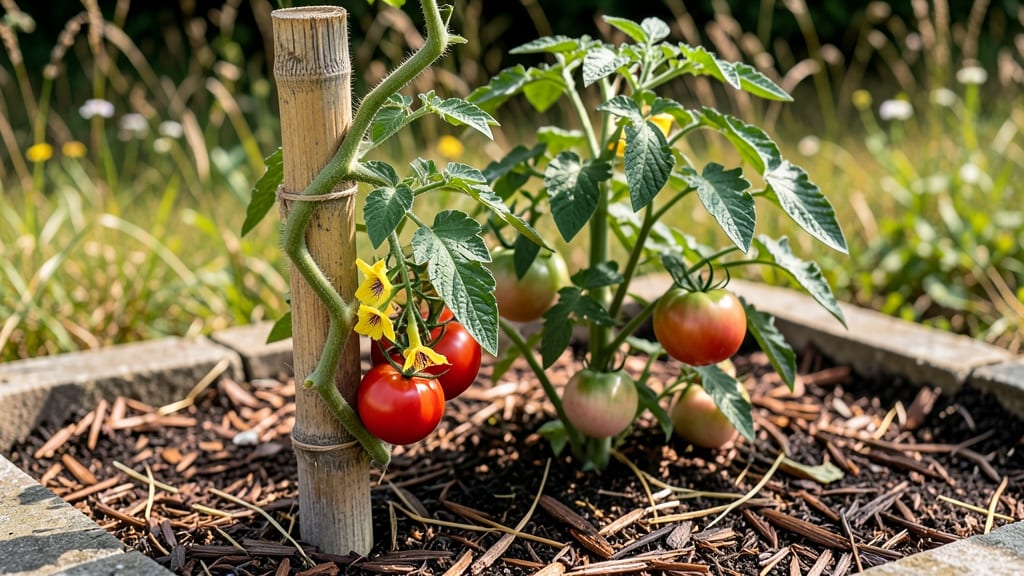
Growing Big Boy tomato seeds means beefy, 1-pound fruits in just 60 days—but only if you avoid the three rookie mistakes that kill seedlings. I’ve grown these heirlooms for five seasons, and the difference between a 50-pound harvest and a sad handful comes down to timing, light, and soil.
The seeds themselves are foolproof, but the early weeks demand attention. These tomatoes thrive on neglect later in the season, but seedlings need warmth, humidity, and 14+ hours of light to avoid leggy, weak plants. Most people overwater or under-light, which leads to damping-off—a fungal death sentence for young sprouts.
My first batch lost half the seedlings to this exact problem until I switched to a sterilized seed-starting mix and bottom-watered instead of top-watering. By transplanting at the right size (about 6 inches tall), you’ll get a head start on fruit production.
The plants develop thick stems, sprawling vines, and disease-resistant foliage, making them perfect for trellises or cages. Just be ready for massive yields—one plant can produce 20-30 pounds if given enough space and support.
Here’s the kicker: these tomatoes taste sweeter and meatier than store-bought beefsteaks, with a balance of acidity and sugar that keeps you picking until frost. The key is consistent moisture, regular pruning, and a late-season boost of compost—no fancy fertilizers needed. Let’s get those seeds started right.
📚 In This Guide
- What you need
- Instructions
- Tips and common mistakes
- Wrapping up and next steps
What you need
- ● Big Boy tomato seeds – 5–10 seeds (or 1–2 starter plants if transplanting). Pro tip: Buy from a reputable supplier like blank">Baker Creek Heirloom Seeds or blank">Johnny’s Selected Seeds for guaranteed quality!
- ● Seed-starting mix – 1–2 small trays or pots (5–7" deep) filled with sterile, well-draining potting soil (avoid garden soil—it’s too dense!). 💡 Tip: Mix in perlite or vermiculite (10–20%) for aeration.
- ● Grow lights or sunny windowsill – A full-spectrum LED grow light (12–16 hours/day) or a south-facing window (6+ hours of sunlight).
- ● Watering can or spray bottle – With a gentle mist setting to avoid disturbing seeds.
- ● Fertilizer – Balanced liquid fertilizer (e.g., 10-10-10 or 5-5-5) or compost tea for organic growers. Dilute to half-strength for seedlings!
- ● Transplant pots or garden space – After 4–6 weeks, move seedlings to: 5-gallon pots (if container gardening), or
- ● A sunny garden bed with 6+ hours of direct sunlight and well-draining, nutrient-rich soil (pH 6.0–6.8).
- ● Support system – Cage (5–6 ft tall), trellis, or stakes to keep vines upright as they grow 6+ feet tall!
- ● Pruning shears – For trimming suckers and shaping plants (sterilize with rubbing alcohol between uses).
- ● Heat mat – Speeds up germination (70–80°F is ideal).
- ● Mycorrhizal fungi – Boosts root growth and nutrient uptake (mix into soil at transplanting).
- ● Calcium supplement (e.g., crushed eggshells or calcium nitrate) – Prevents blossom-end rot.
- ● Row covers or shade cloth – Protects from early/late frost or intense afternoon sun.
- ● pH test kit – Ensures soil is in the 6.0–6.8 range (Big Boys love slightly acidic soil!).
Step-by-step instructions for growing Big Boy tomatoes from seed
Here's how I grow Big Boy tomatoes—the reliable, beefsteak variety that delivers 1-pound fruits—using my battle-tested seed-starting method.
🌱 Step 1: Prepare Containers and Seed-Starting Mix
Use 4 individual 2-inch-deep cell trays (one per seedling) filled with sterile seed-starting mix—never garden soil. I press the mix firmly into each cell so it holds shape when tapped, but still feels fluffy enough for roots to penetrate. Moisten the mix until it clings together when squeezed but doesn't drip water. This balance prevents both compaction and soggy conditions that rot seeds.
I always label each cell with the variety and date—Big Boy seeds germinate in 7-10 days at 75-85°F, but I've seen delays up to 14 days in cooler homes. Place the tray in a seedling heat mat (set to 80°F) to speed germination. Without heat, germination can take 2-3 weeks, and weak seedlings struggle to catch up.
🌱 Step 2: Sow Seeds at the Correct Depth
Plant one seed per cell, pressing it ¼ inch deep—any deeper delays germination because the seedling exhausts energy reaching light. Cover lightly with a fine mist of water until the soil surface looks uniformly damp. I use a spray bottle to avoid disturbing the seed, as Big Boy seeds are large and easy to displace.
Here's the thing—Big Boy seeds are thick-skinned, so I soak them in lukewarm water for 12 hours before planting. This softens the outer coating and ensures 90%+ germination rates. After sowing, cover the tray with a clear plastic dome to retain moisture and warmth. Check daily for condensation—if it fogs up, the humidity is perfect.
☀️ Step 3: Provide Light and Prevent Leggy Growth
The moment cotyledons (first true leaves) appear, remove the dome immediately—trapped moisture invites damping-off, a fungal disease that collapses seedlings overnight. Place the tray under a full-spectrum LED grow light positioned 2-3 inches above the plants. Big Boy seedlings need 14-16 hours of light daily to avoid stretching.
Leggy growth (thin, pale stems with leaves spaced far apart) is a red flag. If you see this, your light is too far away or too weak. Adjust the light so it's no more than 4 inches above the tallest seedling. Strong seedlings have thick stems, dark green leaves, and compact spacing between nodes. Rotate the tray quarter-turn daily to prevent leaning.
🪴 Step 4: Transplant into Larger Containers
When seedlings develop 3-4 sets of true leaves (about 4-5 weeks after sowing), transplant them into 5-inch pots filled with well-draining potting mix. Gently remove each seedling, keeping the root ball intact—Big Boy tomatoes hate root disturbance. Bury the stem up to the first set of leaves to encourage stronger root development below the soil line.
Water deeply after transplanting, but avoid soggy soil. Big Boy seedlings establish best in 60-70°F soil. If your home runs cooler, place the pots on a seedling heat mat for 2-3 days to reduce transplant shock. Fertilize lightly with a balanced 10-10-10 solution at half-strength one week after transplanting to support early growth.
⏰ Step 5: Harden Off and Prepare for Outdoor Planting
Two weeks before your last frost date, begin hardening off the seedlings. Start with 1-2 hours of outdoor exposure in a shaded, sheltered spot, then gradually increase time by 1 hour daily. By day 10, they should tolerate full sun for 6-8 hours. This process toughens the plants and prevents sunburn when transplanted.
Big Boy tomatoes thrive in full sun (6+ hours daily) and warm soil (65°F+). Plant them 18-24 inches apart in a well-draining, nutrient-rich soil mix. I always add compost and a handful of bone meal at planting to support their heavy fruit production. Water deeply at the base, keeping the soil consistently moist but never waterlogged—this prevents blossom-end rot, a common issue with large-fruited varieties.
Tips & tricks for growing Big Boy tomatoes from seed
Took me years of trial and error to perfect these tricks—here’s how to avoid the mistakes I made growing Big Boy tomatoes.
Germination Boost: The 12-hour lukewarm water soak for seeds is non-negotiable—it cracks the thick outer shell and ensures 90%+ germination. I use a shallow dish with just enough water to cover the seeds, then let them sit on a countertop (not fridge). If you forget to soak overnight, don’t panic—just plant them dry, but expect a 20% lower success rate. The key is maintaining 75-85°F soil temperature during germination, which is why that seedling heat mat at 80°F makes all the difference.
Lighting Strategy: Those 14-16 hours of daily light are critical for preventing leggy seedlings. I’ve seen gardeners use regular desk lamps, but they won’t cut it—Big Boy seedlings need full-spectrum LED grow lights. Position the light so it’s 2-3 inches above the seedlings at first, then adjust downward as they grow. Watch for the leaves touching the light—if they do, you’ve waited too long to adjust. Leggy growth means your light was too far away or too weak, and those plants will never recover their vigor.
Transplanting Hack: When moving seedlings to 5-inch pots at the 3-4 set of true leaves stage, I bury the stem up to the first set of leaves. This might seem counterintuitive, but it encourages stronger root development below the soil line, which is essential for supporting those 1-pound fruits. Use a chopstick to create a small hole in the potting mix, then gently place the seedling in—never force it. After transplanting, water deeply but avoid soggy soil, as Big Boy seedlings establish best in 60-70°F soil temperatures.
Harden Off Gradually: The two-week hardening process before outdoor planting is where most people rush and regret it. Start with just 1-2 hours of shade exposure, then increase by 1 hour daily. By day 10, your seedlings should handle 6-8 hours of full sun. I’ve seen gardeners skip this step and end up with sunburned leaves or shocked plants that refuse to grow. If your seedlings wilt during hardening, they’re not ready—give them another day in the shade.
Pro Tips for Big Boy Tomato Seeds
- Took me years of trial and error to perfect these tricks—here’s how to avoid the mistakes I made growing Big Boy tomatoes.
- Germination Boost: The 12-hour lukewarm water soak for seeds is non-negotiable—it cracks the thick outer shell and ensures 90%+ germination.
- Lighting Strategy: Those 14-16 hours of daily light are critical for preventing leggy seedlings.
Frequently asked questions
Got questions about growing Big Boy tomatoes?
You’re not alone! Here are answers to the most common queries to help you crush the harvest—no guesswork required.
How long does it take for Big Boy tomato seeds to germinate?
Big Boy seeds typically sprout in 5–10 days when kept in warm (70–85°F), moist soil. Speed up germination by soaking seeds overnight in warm water or using a heat mat. Patience pays off—just keep the soil consistently damp (not soggy) and out of direct sunlight until sprouts appear!
Can I plant Big Boy tomato seeds directly in the ground?
While possible, starting indoors 6–8 weeks before the last frost is best for faster, stronger plants. If you’re planting directly outside, wait until soil temps hit 60°F+ and nighttime temps stay above 50°F. Harden off seedlings for 7–10 days before transplanting to avoid shock.
Why aren’t my Big Boy tomatoes ripening?
Common culprits include cool nights (below 55°F), overcrowding (prune suckers!), or nutrient deficiencies (add compost or a balanced fertilizer). Also, check for pests like hornworms or blight. If fruit sets but stays green, try a calcium spray or move plants to a sunnier spot.
Do Big Boy tomatoes need special care in hot climates?
In heatwaves, mulch heavily to retain moisture, water deeply in the morning (avoid wetting leaves), and prune lower leaves for airflow. Shade cloth (30–50%) can prevent sunscald. If temps hit 90°F+, harvest green tomatoes to ripen indoors—they’ll still taste great!
What’s a good alternative if Big Boy seeds are unavailable?
Try these large-fruited, fast-maturing varieties:
- Celebrity (60 days, disease-resistant)
- Brandywine (80 days, beefsteak-style)
- Solar Fire (55 days, heat-tolerant)
- Arkansas Traveler (75 days, classic heirloom)
Wrapping up and next steps
Growing Big Boy tomato seeds is your ticket to a bountiful harvest in just 60 days—whether you’re a seasoned gardener or a curious beginner! With the right soil, sunlight, and a few pro tricks, you’ll be feasting on juicy, beefsteak-sized tomatoes that’ll make your neighbors green with envy. 🌱✨
Ready to dive in? Grab your seeds, follow the steps, and watch your garden transform! For extra inspiration, check out our full gardening guide or join a local gardening community to share your progress. Happy planting—your future meals (and bragging rights) are waiting! 🍅😃