
Fertilization
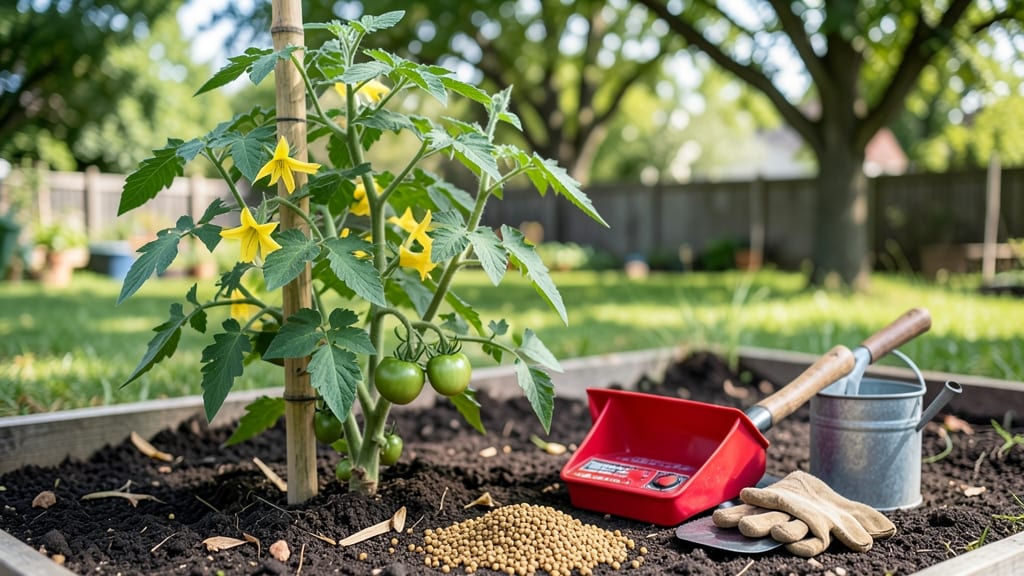
Fertilizing tomato plants at the right time is the secret to turning 6-inch seedlings into heavy-laden vines 🍅 — and skipping it or doing it too soon can leave you with half the harvest you hoped for.
Picture this: you’ve just planted your seedlings, the soil is warm, and you’re eager to give them a boost. But rushing the fertilizer can burn delicate roots and send your plants into shock instead of growth. That’s why timing matters more than most gardeners realize.
In this guide, I’ll walk you through the exact stages when your tomato plants need feeding—from transplant shock to flowering and fruiting—and how to avoid the three biggest mistakes that waste fertilizer and stunt yields.
You’ll learn when to start, how often to feed, and which fertilizers work best for each growth phase, so you can enjoy a harvest that lasts from summer into fall without the guesswork.

Tomato plant growth stages and fertilizer timing guide
Timing your tomato plant fertilization correctly is like giving your plants a perfectly balanced meal at the right moments. Too early, and you’ll encourage leafy growth over fruit production. Too late, and your plants may struggle to support heavy tomato harvests.
Understanding the four key growth stages of tomato plants helps you fertilize with precision, ensuring strong roots, abundant flowers, and juicy fruits all season long.
From the moment your tomato seedlings emerge to the final harvest, each stage demands different nutrients. Nitrogen fuels early growth, phosphorus boosts flowering, and potassium strengthens fruit development. By matching your fertilizer choices to these stages, you’ll maximize yields and avoid common pitfalls like blossom end rot or stunted plants.
Here’s a clear breakdown of when and how to fertilize your tomato plants at each stage, plus a handy reference table to keep on hand during the growing season.
During the seedling stage, your tomato plants are focused on building a strong root system and sturdy stems. This is the time for a light nitrogen boost—think of it as their first meal to encourage leafy growth.
I recommend using a balanced fertilizer (10-10-10) or compost tea when your seedlings reach 6-8 inches tall. Avoid overdoing it here; too much nitrogen can delay flowering and fruiting.
As your plants transition into the vegetative growth stage (typically 4-6 weeks after transplanting), they’ll start developing more leaves and branches. This is when you should shift to a higher-phosphorus fertilizer, like a 5-10-10 blend, to support root development and prepare for flowering.
I’ve found that adding a side dressing of compost around the base of the plant works wonders for this stage.
The flowering and fruiting stage is where the magic happens, and your fertilizer strategy needs to shift again. At this point, your tomatoes need more phosphorus and potassium to promote flower production and fruit development.
A fertilizer with a higher middle number, like 5-20-20, or organic options like banana peel tea or bone meal, will give your plants the energy they need to produce heavy yields.
Finally, during the post-harvest stage, as your plants begin to slow down and prepare for dormancy (or if you’re extending the season in warmer climates), focus on potassium-rich fertilizers. This helps strengthen the plant’s disease resistance and ensures any remaining fruits ripen properly.
A light application of wood ash or a low-nitrogen fertilizer (like 0-0-50) is ideal. Stop fertilizing entirely 4-6 weeks before the first frost to allow the plant to harden off naturally.
One common mistake I see is over-fertilizing during the early stages, which can lead to lush foliage but few tomatoes. Conversely, skipping fertilizer during the flowering stage can result in poor fruit set.
The key is to monitor your plants closely and adjust your feeding schedule based on their appearance. For example, if your leaves are yellowing, it might be a sign of <
Signs your tomato plants need fertilizer (and when to avoid it)
Tomatoes are heavy feeders, and their nutrient needs change dramatically as they grow.
If your plants look weak or stunted, it might be time to feed them—but not always. Yellowing leaves or slow fruit production are common red flags, but they could also signal other issues like overwatering or disease.
Learning to read your plants helps you avoid both under-fertilizing and over-feeding, which can burn roots or attract pests.
First, check the soil and leaves for clues. Healthy tomato plants have deep green foliage and strong stems. If you notice purple stems or small, pale leaves, your plants are likely phosphorus-deficient, a key nutrient for flowering.
On the other hand, crispy leaf edges or stunted growth could mean too much salt from fertilizer, especially if you’ve recently fed them.
⚠️ callout warning ⚠️
Never fertilize newly transplanted seedlings—wait 1-2 weeks to let roots establish. Early feeding (when plants are 6-8 inches tall) should be light (half-strength fertilizer). Avoid fertilizing within 2 weeks of harvest to prevent bitter-tasting fruit.
🌱 Pro Tip: Water plants before fertilizing to prevent root burn.
Organic fertilizers like compost or fish emulsion release nutrients slowly, reducing the risk of burning roots. For synthetic options, a balanced 5-10-10 or high-phosphorus 10-20-10 works well during flowering.
If your plants are struggling to set fruit, switch to a low-nitrogen, high-potassium fertilizer (like 2-10-10) to encourage fruiting over leafy growth.
One of the biggest mistakes gardeners make is over-fertilizing in hot weather. When temperatures exceed 85°F (29°C), plants can’t absorb nutrients efficiently, leading to leaf scorch or blossom drop.
Always water deeply before and after fertilizing to help nutrients reach the roots and prevent salt buildup in the soil.
If your tomato plants show signs of nutrient deficiency but you’re unsure whether to fertilize, do a simple soil test. Many garden centers offer kits for $10-$20, and they’ll tell you exactly what your soil is missing.
For example, low magnesium causes yellowing between leaf veins, while zinc deficiency leads to stunted growth and small leaves.
Remember, less is often more with tomatoes. A light feeding every 4-6 weeks during the growing season keeps plants healthy without overwhelming them. If you’re growing in containers, flush the soil with water every 6-8 weeks to prevent salt buildup.
With the right timing and balance, your tomato plants will reward you with juicy, flavorful fruit all season long. 🍅