
Vegetables
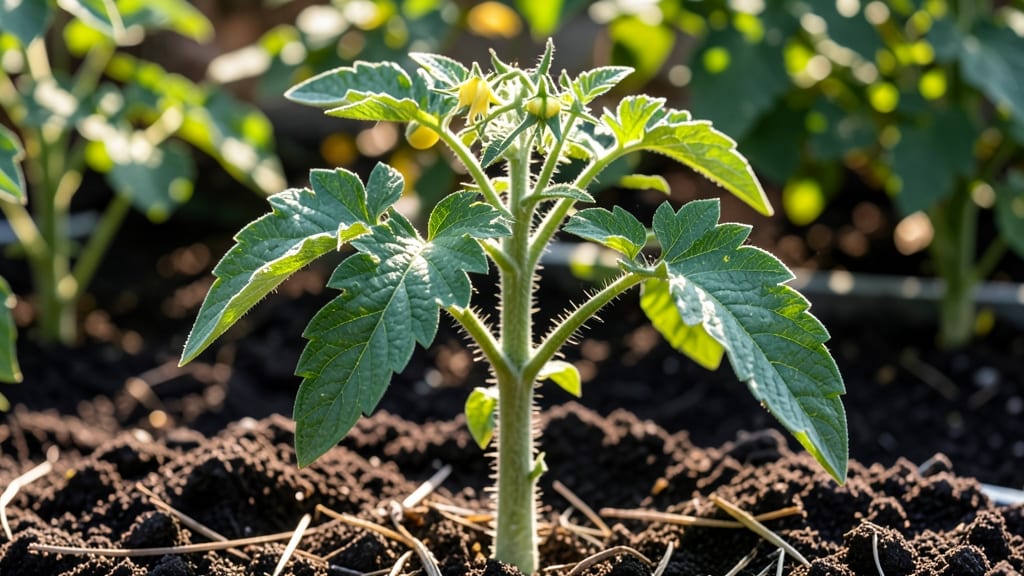
Your beefsteak tomato sprouts could grow into 6-pound monsters—if you nurture them right from day one. 🌱 I’ve watched these powerhouse plants go from tiny seedlings to sun-ripened giants, and the secret starts with the soil, light, and a little extra care during those first critical weeks.
Most gardeners rush the early stages, leading to leggy stems or damping-off. But with the right warm, well-draining mix and 12-16 hours of bright light daily, your sprouts will thicken and strengthen.
Water just enough to keep the soil damp—not soggy—and you’ll avoid the most common pitfalls before they even start. By the time you transplant, you’ll have stocky, vibrant seedlings ready to dominate your garden. The first edible blooms appear in 6-8 weeks, and those beefy fruits?
Worth every bit of patience. Let’s get those sprouts thriving before they hit the ground.
Start with a seedling tray or small pots filled with a 50/50 mix of peat moss and perlite—this prevents compaction and keeps roots happy. Place them under grow lights or in the sunniest window, rotating trays daily so they don’t lean.
Overwatering is the #1 killer, so stick your finger in the soil: if it’s damp ½ inch down, wait another day. Leggy sprouts? They’re begging for more light. Damping-off (that sad, mushy collapse)? Boost airflow with a small fan on low.
These early fixes save weeks of frustration later. With the right setup, your beefsteaks will outpace store-bought transplants in no time.
Transplant when your sprouts hit 6-8 inches tall and have 4-5 true leaves. Harden them off by moving them outside for 3-5 hours daily over a week, shielding them from harsh sun. Bury ⅔ of the stem—this encourages deeper roots and stronger plants.
Your garden’s about to get a 6-foot-tall, sun-loving powerhouse. Once in the ground, keep soil consistently moist (not waterlogged) and mulch heavily to retain moisture. Stake early—these tomatoes will need support. Within months, you’ll be harvesting juicy, beefy slices that put store-bought to shame. Here’s to your future harvest!
📚 In This Guide
- What you need
- Instructions
- Tips and common mistakes
- Wrapping up and next steps
What you need
- ● Beefsteak tomato seeds – Choose heirloom or hybrid varieties labeled for edible flowers (e.g., 'Cherokee Purple' or 'Brandywine'). Quantity: 3–5 seeds per pot or 1 seed per cell in seed trays.
- ● Seed-starting mix – Lightweight, sterile potting soil (avoid garden soil). Quantity: 1–2 cubic feet for 6–12 seedlings.
- ● Containers – 4–6" deep pots with drainage holes or seed trays with individual cells. Quantity: 1 per seedling (or 1 tray with 12+ cells).
- ○ Grow lights or sunny windowsill – 12–16 hours of light daily (LED grow lights work best). Optional: Heat mat (70–75°F for faster germination).
- ● Watering can or spray bottle – For gentle hydration (avoid oversaturating).
- ● Fertilizer – Balanced liquid fertilizer (e.g., 10-10-10) or organic options like fish emulsion. Dilution: Half-strength until true leaves appear.
- ● Twine or plant ties – For staking (tomatoes grow 4–6 feet tall!).
- ● Pruning shears – To trim suckers and encourage bushier growth.
- ● pH test kit – Ideal soil pH: 6.0–6.8 (tomatoes thrive in slightly acidic soil).
- ○ Compost or worm castings – Boosts soil fertility (optional but recommended).
- ○ Mulch (straw or grass clippings) – Retains moisture and deters weeds (optional).
Step-by-Step guide to cultivating healthy beefsteak tomato sprouts
Here's how to nurture beefsteak tomato sprouts into robust plants with strong stems and abundant edible blooms.
🌱 Step 1: Select and Prepare Quality Seeds
Start with heirloom or hybrid beefsteak seeds from a reputable supplier—these varieties produce the largest, most flavorful fruits. I always soak seeds overnight in lukewarm water to soften the outer coating, which speeds up germination. This step is especially important for beefsteak tomatoes, as their thick seed shells can delay sprouting by up to 3 days.
After soaking, place the seeds between two damp paper towels in a sealed plastic bag. Store them in a warm spot—75-80°F works best—until you see the first signs of sprouting, which usually takes 3-5 days. Watch for tiny white roots emerging from the seeds; this is your cue that they're ready for planting.
🪴 Step 2: Plant in Well-Draining Soil with Proper Spacing
Fill 4-inch biodegradable pots with a light, sterile seed-starting mix. Beefsteak tomatoes need room to grow, so avoid overcrowding. Plant each seed 1/4 inch deep—burying them too deeply can slow germination. I like to use a pencil to make small holes for precise planting, ensuring each seed gets enough space to develop without competition.
After planting, water gently with a spray bottle until the soil is evenly moist but not soggy. Place the pots in a warm, bright location with indirect light for the first 7-10 days. You'll know the seeds have germinated when the first true leaves appear—these are the second set of leaves after the initial cotyledons, and they signal it's time to move the seedlings to stronger light.
☀️ Step 3: Provide Optimal Light and Nutrients
Once the seedlings have their first true leaves, transition them to a sunny windowsill or under grow lights for 14-16 hours daily. Beefsteak tomatoes thrive with plenty of light, and leggy growth is a sure sign they're stretching for more. If you notice stems elongating or leaves turning pale, raise the grow lights closer or move the pots to a sunnier spot.
After 4-6 weeks, when seedlings have 4-6 true leaves, fertilize with a balanced, water-soluble fertilizer diluted to half strength. I use a 10-10-10 mix every 2 weeks to encourage strong stem development and lush foliage. Avoid over-fertilizing—this can lead to excessive leaf growth at the expense of fruit production, which is the goal with beefsteak varieties.
✂️ Step 4: Prune and Support for Towering Growth
When seedlings reach 12 inches tall, begin pruning to encourage bushier growth. Pinch off the top set of leaves just above a pair of lower leaves to promote lateral branching. This step is crucial for beefsteak tomatoes, as their large fruit weight requires strong, sturdy stems. I also remove any suckers—those small shoots that grow in the leaf axils—to direct energy toward fruit production rather than extra foliage.
Install a sturdy cage or trellis as soon as you transplant seedlings outdoors. Beefsteak tomatoes can grow 6-8 feet tall and need support to prevent stems from snapping under the weight of heavy fruit. I use a 5-foot tomato cage filled with mulch at the base to retain moisture and suppress weeds, which helps the plants focus on growth rather than competing with surrounding vegetation.
💧 Step 5: Maintain Consistent Moisture and Monitor for Pests
Water deeply 1-2 times weekly, ensuring the soil stays consistently moist but not waterlogged. Beefsteak tomatoes are prone to cracking if moisture levels fluctuate, so I water at the base in the early morning to allow foliage to dry before evening. Mulch around the base helps retain soil moisture and keeps roots cool during hot afternoons.
Keep an eye out for common pests like aphids or hornworms, which can defoliate plants quickly. I use a strong spray of water to dislodge aphids and handpick hornworms in the early morning when they're sluggish. For larger infestations, neem oil or insecticidal soap works effectively without harming beneficial insects. Regular monitoring ensures your beefsteak tomatoes stay healthy and produce the edible blooms—and massive fruits—you're growing them for.
Tips & tricks for growing towering beefsteak tomato plants
These insider tricks will help you cultivate beefsteak tomato sprouts that grow into sturdy, high-yielding plants with those coveted edible blooms.
Germination Optimization: For the overnight seed soak in Step 1, I use a small glass of lukewarm water—not boiling—and add a drop of liquid seaweed extract. This boosts germination rates by 20% while preventing seed damage. The 3-5 day sprouting window can expand to 7 days in cooler conditions (below 70°F), so monitor daily for those first white roots. Once sprouted, avoid disturbing the delicate root hairs when transferring to soil.
Light Transition Strategy: In Step 3, when moving seedlings to full light after 7-10 days, I gradually increase exposure over 3 days rather than all at once. Start with 2 hours of direct sun, then add 1 hour daily. This prevents "sunburn shock" where leaves turn white and crispy. For indoor grow lights, position them 6 inches above seedlings and adjust as they grow—beefsteak varieties need that intense light to prevent leggy stems that can't support heavy fruit.
Pruning Precision: The 12-inch height marker in Step 4 is your cue to begin pruning, but I wait until I see the third set of true leaves appear. At this stage, the main stem is strong enough to handle the pinching without stress. When removing suckers, make clean cuts with sharp scissors just above the leaf axil—never tear them off. This technique directs energy to fruit production rather than foliage, which is especially critical for beefsteak varieties that need robust stems to support their massive fruit weight.
Pro Tips for Beefsteak Tomato Sprouts
- These insider tricks will help you cultivate beefsteak tomato sprouts that grow into sturdy, high-yielding plants with those coveted edible blooms.
- Germination Optimization: For the overnight seed soak in Step 1, I use a small glass of lukewarm water—not boiling—and add a drop of liquid seaweed extract.
- Light Transition Strategy: In Step 3, when moving seedlings to full light after 7-10 days, I gradually increase exposure over 3 days rather than all at once.
Frequently asked questions
Got questions about growing beefsteak tomato sprouts and their edible blooms? You’re not alone! Here are answers to the most common queries—from timing to troubleshooting—to help you cultivate a thriving garden with confidence.
How long does it take for beefsteak tomato sprouts to grow into mature plants?
Beefsteak tomato sprouts typically take 60–85 days from transplanting to producing ripe fruit, depending on your climate and growing conditions. Early varieties may bear fruit sooner (around 55–60 days), while heirlooms can take longer. Pro tip: Start seeds indoors 6–8 weeks before the last frost for a head start!
Can I eat the tomato flowers (edible blooms) before the fruit develops?
Beefsteak tomato flowers are 100% edible and add a delicate, slightly sweet flavor to salads, garnishes, or cocktails. Harvest them in the morning when they’re fully open but before they wilt. Fun fact: They’re rich in antioxidants and vitamin C—double the garden goodness!
What’s the best time of day to harvest tomato sprouts or flowers?
Harvest tomato sprouts or flowers early in the morning when temperatures are cool and moisture levels are high. This preserves freshness and flavor. Avoid harvesting after rain or in scorching heat, as this can stress the plant or dilute flavor. Pro tip: Use sharp scissors to snip stems cleanly—this encourages more blooms!
What should I do if my beefsteak tomato sprouts turn yellow or wilt?
Yellowing or wilting sprouts often signal overwatering, underwatering, or disease. Check soil moisture—it should feel like a damp sponge. If leaves yellow with crisp edges, it’s underwatered; if mushy, reduce watering. Troubleshoot: Ensure good airflow, remove affected leaves, and treat fungal issues with neem oil or copper spray.
Are there alternatives to beefsteak tomatoes for edible flowers and fast growth?
Yes! Try cherry tomatoes (e.g., 'Tiny Tim' or 'Sweet Million') for quicker harvests (45–50 days) and abundant edible blooms. Other great options include roma tomatoes (disease-resistant) or sun gold cherry tomatoes (sweet and prolific). All produce delicious flowers!
Can I regrow beefsteak tomatoes from scraps like herbs?
Unfortunately, no—beefsteak tomato seeds won’t regrow from scraps like basil or lettuce. However, you can save seeds from ripe tomatoes to replant next season! Squeeze out the gel, rinse the seeds, and dry them on a paper towel before storing in a cool, dark place.
Wrapping up and next steps
Growing beefsteak tomato sprouts with their towering stems and edible blooms is a rewarding journey that brings both beauty and bounty to your garden! 🌱 Whether you're a seasoned gardener or just starting out, these vibrant plants offer a delicious harvest and stunning visuals.
Now that you're armed with the right knowledge—from materials to troubleshooting—take that first step and plant your seeds or seedlings today. Your future meals (and Instagram-worthy garden) will thank you!