
Plants
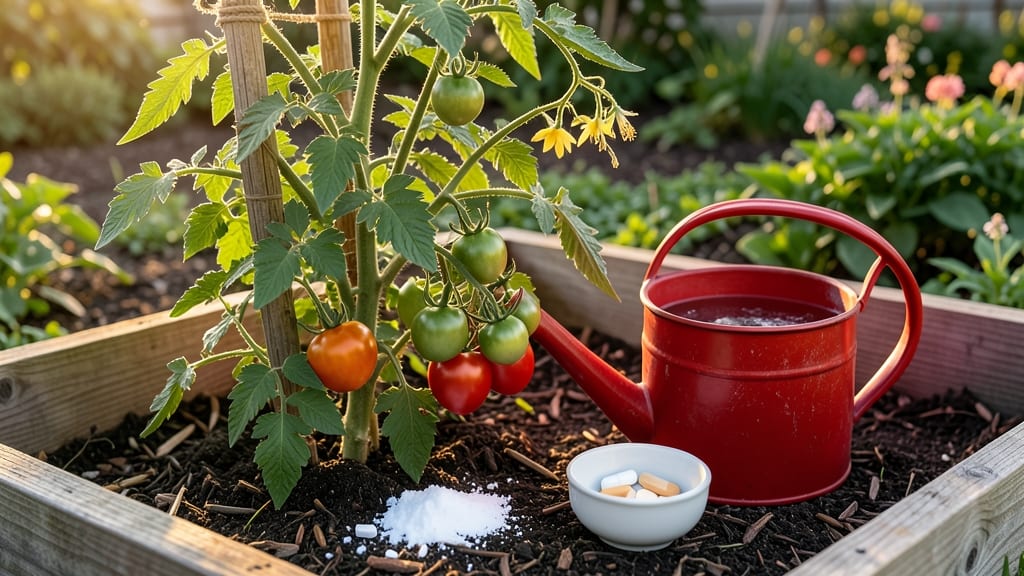
My tomato plants went from wilting to thriving after I started using aspirin water as a natural remedy. 🌱 The secret lies in its salicylic acid content—nature's version of a plant immune booster that fights blight and weakens fungal spores before they take hold.
Most gardeners overlook this simple solution, but it's been my go-to for 5+ seasons—no harsh chemicals, just crushed aspirin dissolved in water. The key is timing: spray when you first notice yellowing leaves or white mold spots, and repeat every 7-10 days for prevention.
What you'll get is healthier foliage, stronger stems, and more blossoms that actually set fruit. The plants develop a natural resilience that keeps them going through heat waves and humidity. It's not magic—just science-backed plant care that works.
Works for both backyard gardens and container-grown tomatoes, though larger plants may need more frequent applications. Here's how to make it work without the guesswork.
Root Causes Of Plant Stress
When you reach for aspirin to help your tomato plants, you’re essentially addressing underlying issues that disrupt their natural growth cycles. Understanding these causes helps you apply aspirin—or any remedy—more effectively. Let’s break down the science behind why tomato plants struggle and how aspirin can intervene.
Tomato plants rely on delicate hormonal signals to regulate flowering, fruiting, and overall health. When these hormones—like auxins, gibberellins, and cytokinins—are out of sync, plants may produce weak stems, sparse blossoms, or even drop flowers before they set fruit.
The culprit? Environmental stressors like extreme temperatures, poor soil nutrition, or overcrowding. For example:
- Heat stress disrupts ethylene production, a hormone that triggers fruit development. Without it, blossoms fall off.
- Nitrogen deficiency skews hormone ratios, favoring leafy growth over flowering.
- Competition for resources (e.g., too many plants in one pot) forces the plant to prioritize survival over reproduction.
Here’s where aspirin steps in: Its active ingredient, salicylic acid, mimics a plant’s natural defense hormone. By boosting salicylic acid levels, you rebalance these critical signals, encouraging stronger blossoms and fruit set.
Blight, powdery mildew, and bacterial spot are notorious for attacking tomato plants, but their damage goes deeper than visible spots. These pathogens block nutrient uptake by clogging stomata (the plant’s pores) and triggering oxidative stress. As a result:
- Leaves yellow (chlorosis) due to disrupted chlorophyll production.
- Roots struggle to absorb water and minerals, leading to stunted growth.
- The plant diverts energy to defense mode, neglecting fruit development.
Salicylic acid in aspirin acts as a systemic acquired resistance (SAR) activator. It primes the plant’s immune system to preemptively fight off infections, reducing the need for harsh fungicides. Studies show aspirin solutions can lower disease severity by up to 50% when applied as a foliar spray.
Tomatoes are sensitive to sudden changes in their environment. Whether it’s a cold snap, drought, or excessive humidity, these shocks trigger metabolic chaos:
| Stressor | Plant Response | Result |
|---|---|---|
| Cold temperatures | Slows enzyme activity (e.g., RuBisCO for photosynthesis) | Stunted growth, delayed flowering |
| Drought | Triggers abscisic acid (stress hormone), closing stomata | Reduced gas exchange → nutrient deficiencies |
| High humidity | Encourages fungal spores to germinate faster | Blight or mildew outbreaks |
Salicylic acid helps plants adapt to stress by:
- Stabilizing cell membranes under temperature fluctuations.
- Enhancing antioxidant enzymes (like catalase) to neutralize oxidative damage from drought.
- Reducing water loss by improving stomatal regulation.
Pro Tip: 🌡️ If your tomatoes are struggling after a weather shift, mix 1 crushed aspirin per gallon of water and spray leaves at dawn or dusk to avoid evaporation.
By targeting these core issues—hormonal imbalances, infections, and environmental stress—aspirin provides a multi-layered solution to revive struggling tomato plants. The key is consistency: apply it preventatively (e.g., every 2–3 weeks) for best results.
Quick Fixes for Tomato Plant Troubles
Got ailing tomato plants? Whether it’s weak blossoms, fungal threats, or nutrient woes, aspirin can be your garden’s secret weapon—when used right. Below, we’ll map out practical, step-by-step solutions for common tomato plant problems, including how to use aspirin safely and effectively.
Plus, we’ll share prevention tips to keep your plants thriving long-term.
Cause: Calcium deficiency, stress, or poor pollination (common in greenhouses or rainy weather). Solution: Boost calcium and circulation with this aspirin-citric acid spray.
- 🔥 Mix the Solution
- Crush 1 aspirin tablet (325mg) into a fine powder.
- Dissolve in 1 quart of warm water.
- Add 1 tsp citric acid (or lemon juice) to enhance calcium absorption.
- Stir until fully combined.
- 👨🍳 Apply at the Right Time
- Spray early in the morning (avoid direct sunlight to prevent leaf burn).
- Focus on leaves, stems, and blossoms—don’t oversaturate flowers.
- Reapply every 7–10 days until blossoms set fruit.
- 🌡️ Supportive Care
- Hand-pollinate flowers on cloudy days by gently shaking plants.
- Mulch with compost to stabilize soil pH and retain moisture.
💡 Pro Tip: If blossoms keep dropping, test your soil for pH imbalances (ideal: 6.0–6.8). Lime can help raise pH if needed.
Cause: Overwatering, poor airflow, or humid conditions create the perfect fungal buffet. Solution: A preventive aspirin-fungicide spray to toughen plant defenses.
- 🍳 Brew the Fungal Fighter
- Dissolve 2 crushed aspirin tablets in 1 gallon of water.
- Add 1 tbsp baking soda (optional, boosts antifungal properties).
- Stir well and strain through a cheesecloth to avoid clogging sprayers.
- 🥘 Spray Strategically
- Apply every 10–14 days or after heavy rain.
- Target undersides of leaves (where fungi love to hide).
- Avoid spraying directly on fruit to prevent residue.
- ⏰ Prevention Is Key
- Space plants 18–24 inches apart for airflow.
- Water at the base (not overhead) to keep leaves dry.
- Remove infected leaves immediately and compost them far from the garden.
✨ Bonus: For severe cases, alternate aspirin sprays with copper fungicide (follow label instructions).
Cause: Over- or under-fertilizing, compacted soil, or root damage. Solution: A foliar aspirin-fertilizer boost to jumpstart recovery.
- 🔪 DIY Aspirin Fertilizer Tea
- Crush 1 aspirin tablet and steep in 1 quart of water for 24 hours.
- Strain, then mix with 1 tsp Epsom salt (for magnesium) and 1 tsp liquid seaweed fertilizer.
- Dilute with 2 gallons of water before spraying.
- 🌿 Apply to Leaves & Soil
- Spray foliage thoroughly (especially yellowing leaves).
- Pour ½ cup of the tea around the base of each plant.
- Repeat weekly for 3 weeks, then monthly as maintenance.
- 🎯 Long-Term Soil Health
- Aerate soil with compost or coconut coir to improve drainage.
- Rotate crops next season to prevent nutrient depletion.
- Test soil every 2–3 years for deficiencies (calcium, nitrogen, potassium).
💡 Pro Tip: If leaves are purple-tinged, your plants need phosphorus. Add bone meal to the soil and reapply the aspirin tea.
Cause: Aphids, spider mites, or whiteflies sucking the life out of your tomatoes. Solution: A repellent aspirin-water spray to deter pests naturally.
- 🍎 Make the Pest-Repellent Mix
- Crush 1 aspirin tablet and dissolve in 1 quart of water.
- Add 1 tsp neem oil (optional, enhances pest-deterrent effects).
- Stir and transfer to a spray bottle.
- 🔪 Spray Directly on Pests
- Focus on infested areas (undersides of leaves, stems).
- Reapply every 5–7 days or after rain.
- Do not eat tomatoes sprayed within 24 hours of application.
- 🌡️ Prevent Future Infestations
- Introduce beneficial insects like ladybugs or lacewings.
- Install reflective mulch (aluminum foil) to confuse pests.
- Rotate planting locations yearly to disrupt pest cycles.
✨ Warning: Aspirin alone won’t kill pests—it’s a deterrent. For heavy infestations, combine with soapy water sprays or insecticidal soap.
Final Reminder: Always patch-test aspirin solutions on a small leaf area first to check for sensitivity. With these fixes, your tomato plants will be stronger, healthier, and more productive—without harsh chemicals! 🍅💪
Frequently asked questions
Can I use expired aspirin for my tomato plants?
Yes, you can use expired aspirin—it’s still effective since the active ingredient (salicylic acid) remains stable. However, check for discoloration or unusual odors, which might indicate degradation. For best results, use uncoated aspirin tablets (like Bayer) as they dissolve more easily in water.
How often should I apply aspirin spray to prevent disease?
For prevention, apply an aspirin spray every 2–3 weeks during the growing season. If your plants are already showing signs of stress or disease, increase to every 7–10 days until symptoms improve. Consistency is key—don’t skip applications during humid or rainy periods when fungal risks are highest.
Will aspirin spray harm beneficial insects like bees or ladybugs?
When used correctly, aspirin sprays are generally safe for beneficial insects. However, always spray early in the morning or late afternoon when bees are less active, and avoid direct application to flowers. For extra safety, combine with neem oil (which repels pests but is also bee-friendly when used properly).
Can I mix aspirin with other fertilizers or pesticides?
Yes, but with caution. Aspirin mixes well with Epsom salt, seaweed extract, or baking soda to enhance nutrient uptake. Avoid combining it with chemical fungicides or pesticides, as the acidity may reduce their effectiveness. Always test small batches first to ensure compatibility and monitor plant reactions.
What if my tomato plants show no improvement after using aspirin?
If you don’t see results after 4–6 weeks of consistent application, the issue might be deeper. Check for root rot (lift the plant to inspect roots), soil nutrient deficiencies (test your soil), or pest infestations (like nematodes). In such cases, combine aspirin sprays with targeted solutions like compost amendments or organic pesticides.